How to Put on a Sofa Cover: Step-by-Step Guide
Putting on a sofa cover is easier than you might think! The best way to put on a sofa cover involves identifying the right cover for your sofa type and then methodically fitting it piece by piece. You can protect your furniture and give it a fresh look without a struggle.
A sofa cover can completely transform your living space. It’s a simple solution for hiding stains or updating your decor. Many people worry about getting a wrinkled or ill-fitting look, but with the right approach, your sofa will look neat and refreshed.
- Unpack and identify your sofa cover.
- Look for tags indicating front, back, or sides.
- Drape the main section over the sofa.
- Tuck in excess fabric for a snug fit.
- Add any separate cushion covers last.
Ready to give your sofa a makeover? Let’s walk through exactly how to put on that sofa cover step by step.
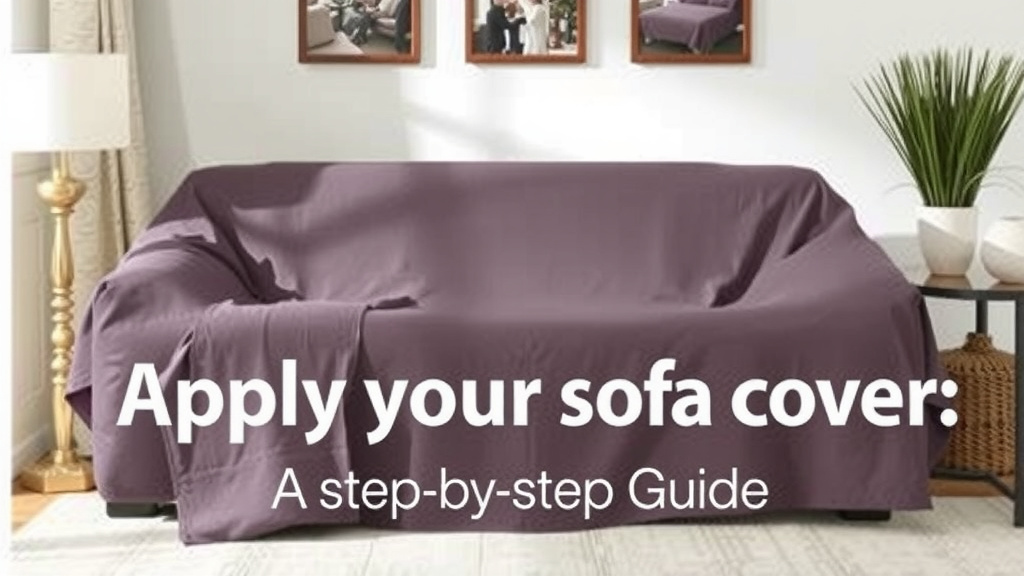
Applying Your Sofa Cover: A Step-by-Step Guide
So, you’ve got your new sofa cover, and you’re ready to give your couch a fresh new look. It might seem a little daunting at first, especially if it’s a large sectional. But trust us, putting on a sofa cover is a straightforward process. We’ll guide you through each step to ensure a smooth and wrinkle-free fit. You’ll be lounging on your refreshed sofa in no time!
Getting Started: Preparation is Key
Before you even think about wrestling with fabric, a little preparation goes a long way. Think of it like getting ready for a big project. Having everything in order means the actual fitting process will be much easier. This is where you set yourself up for success.
Unpacking and Identifying Your Cover
First things first, carefully unpack your sofa cover. Lay it out on the floor or a clean surface. Often, covers come folded quite compactly. You’ll want to unfold it completely to get a good look at it. This is also a great time to check for any labels or tags. These are usually your best friends.
Locating Directional Tags
Many sofa covers have small tags sewn into the seams. These tags are incredibly helpful. They often indicate which part of the cover belongs where. Look for tags that say “front,” “back,” “left,” or “right.” Some might just have a single tag on the back or a specific corner. Knowing this upfront saves a lot of guesswork. If there are no tags, don’t worry! You can usually figure it out by the shape of the cover and your sofa. The back section is typically the largest and often has the most dramatic draping. We found that taking a moment to orient yourself is a real time-saver.
Clearing Your Sofa Space
It’s a good idea to clear the area around your sofa. Move any coffee tables, end tables, or decorative items. This gives you plenty of room to maneuver. You’ll need space to walk around the sofa and stretch the fabric. Also, remove any existing cushions from your sofa. This makes it much easier to get the main cover fitted properly. Having this clear space prevents the cover from snagging on anything. It also makes the whole process feel less cramped.
Fitting the Main Sofa Body
This is the core of the process. The main body of the sofa cover usually goes on first. It’s designed to cover the base, arms, and back of your sofa.
Draping the Cover Over the Sofa
Start by draping the main section of the cover over your sofa. If you found a tag, use that to align it with the correct part of your sofa, usually the back. Gently pull the fabric down over the top and sides. Imagine you’re tucking in a giant, very soft blanket. You want to get the basic shape positioned as accurately as possible at this stage. Don’t pull too tightly yet. Just get it draped.
Securing the Base and Arms
Once the cover is draped, start working on the fit. Begin by smoothing the fabric along the base of the sofa. Then, focus on the arms. For tight-fitting covers, you might need to push the fabric down into the crevices between the cushions and the frame. Some covers have elastic or ties underneath to help cinch the fabric. If yours does, pull these snug. This is where you start to get that neat look. For many, this step is about gentle tugging and strategic tucking.
Tucking in Excess Fabric
You’ll likely have some excess fabric, especially in corners and along the back. This is normal! The goal is to tuck this excess fabric neatly. Use your hands to smooth out the fabric and push any bulges or loose parts into the gaps. You can tuck fabric down the back of the sofa, under the cushions, and into the armrests. A flat, smooth surface is what you’re aiming for. Sometimes, using a ruler or a credit card can help tuck fabric into tight spots without damaging the cover. This tucking action really makes a huge difference in the final look.
Addressing Specific Sofa Types
Different sofa shapes might require slight adjustments. Knowing your sofa type can help you anticipate these.
Sectionals and L-Shaped Sofas
If you have a sectional or an L-shaped sofa, your cover will likely come in multiple pieces. There will be a main piece for the largest section and then separate pieces for the other parts and possibly the connecting corner. You’ll follow the same draping and tucking process for each section. Connect the pieces as instructed by the manufacturer, often with straps or Velcro. The key is to ensure the fabric flows smoothly from one section to the next.
Sofas with Skirts or Reclining Features
Sofas with built-in skirts might need a cover that accommodates them. Some covers are designed to go over the skirt, while others might require you to tuck the skirt material into the cover itself. For reclining sofas, look for covers specifically designed for them. These usually have openings or flaps for the reclining mechanisms. You’ll want to ensure these are aligned correctly before tucking everything in. Research and found that covers designed for recliners often have more complex fitting instructions, but they still follow the basic principles of draping and tucking.
Adding the Final Touches: Cushion Covers
Once the main body of the sofa is covered, it’s time to tackle the cushions. This is the last step and it really brings the whole look together.
Fitting the Cushion Covers
If your sofa cover came with separate cushion covers, put those on now. Slide your sofa’s original cushions into these new covers. Zip them up or secure them as the cover dictates. Smooth out any wrinkles on the cushion covers. Place the newly covered cushions back onto the sofa. Arrange them neatly. This completes the transformation!
Check for Evenness and Smoothness
Take a step back and look at your work. Are there any noticeable wrinkles? Is the fabric pulled evenly on all sides? Make any final adjustments needed. A quick smoothing of the fabric can perfect the look. You’ve worked hard, and it shows!
Quick Checklist for Sofa Cover Success
Want to make sure you didn’t miss a beat? Here’s a handy checklist:
- Unpack and identify all pieces of your cover.
- Locate any direction tags (front, back, sides).
- Clear the area around your sofa for easy access.
- Drape the main cover section, starting from the back.
- Tuck excess fabric neatly into crevices and gaps.
- Fit separate cushion covers last for a finished look.
Conclusion
You’ve successfully navigated the steps to putting on your sofa cover! We’ve seen how identifying tags and clearing your space make a big difference. Properly draping and tucking ensures a neat, wrinkle-free finish. Even tricky shapes like sectionals are manageable with the right approach. Your sofa now looks refreshed and protected. Your next step? Enjoy your newly styled living space and relax with confidence!
Frequently Asked Questions
How do I prevent my sofa cover from slipping?
To keep your cover from slipping, focus on tucking excess fabric firmly into all the crevices. Many covers also have elastic or ties underneath that you can cinch tightly. For extra security, consider using anti-slip padding designed for furniture covers.
My sofa cover looks baggy. What can I do?
A baggy look often means there’s excess fabric. Take time to smooth out the material and tuck any bulges into the gaps between cushions and the frame. Some people find using a ruler or a credit card helpful for tucking fabric into tight spots.
Can I wash my sofa cover?
Yes, most sofa covers are machine washable! Always check the care label attached to your specific cover first. Wash on a gentle cycle with cold water and mild detergent. Air drying is usually best to prevent shrinkage or damage.
What’s the best way to put on a cover for a reclining sofa?
Reclining sofa covers usually come in multiple pieces to accommodate the mechanisms. First, fit the main body, then carefully align and attach the pieces for the footrests and headrests. Ensure all reclining flaps or openings are correctly positioned before tucking the fabric neatly.
How tight should the cover be?
The cover should be snug but not overly stretched. You want it to fit closely to the sofa’s shape, eliminating major wrinkles. If the fabric is pulling so hard that it feels like it might tear, you may have too much tension or need to adjust the tucking.
![10 Best Cleaner For Sofa Upholstery [2026]](https://hometopaccesories.com/wp-content/uploads/2026/09/10-best-cleaner-for-sofa-upholstery-2026-featured-768x432.jpg)


![10 Best Cleaner For Sofa Fabric [2026]](https://hometopaccesories.com/wp-content/uploads/2026/09/10-best-cleaner-for-sofa-fabric-2026-featured-768x432.jpg)