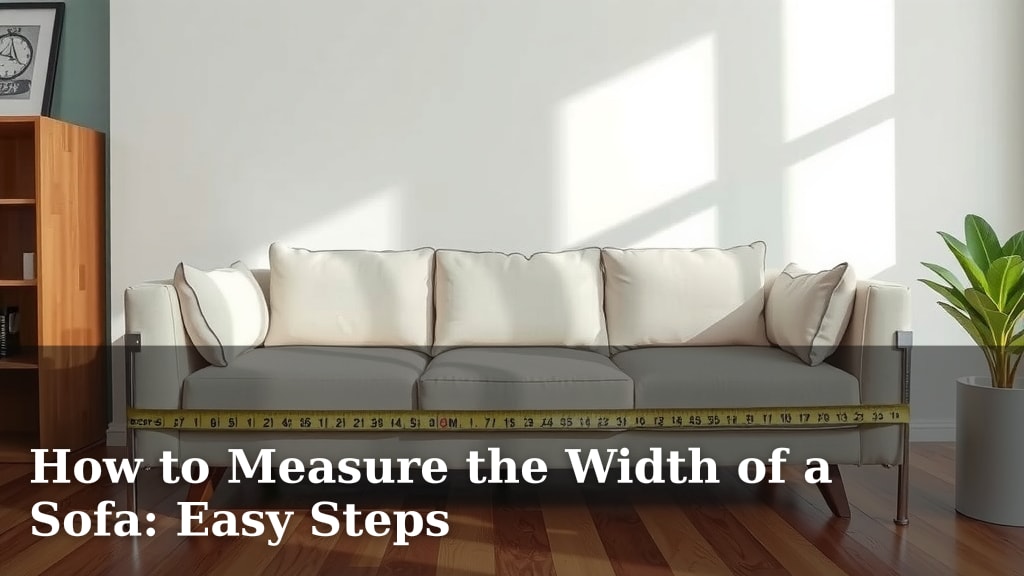
How to Measure the Width of a Sofa: Easy Steps
Measuring your sofa’s width is simple and quick. You’ll need a tape measure and a few minutes of your time. The easiest way to measure your sofa’s width is to start at one outer armrest and extend the tape straight across to the other outer armrest. This measurement is key for furniture shopping and room planning.
Knowing your sofa’s exact dimensions prevents common shipping and fitting headaches. This simple measurement helps you confirm if it will fit through doorways or into tight spaces. It’s a fundamental step for anyone moving or rearranging furniture, ensuring your new purchase or current setup works perfectly in your home.
- Measure from the outer edge of one arm to the other.
- Use a standard tape measure.
- Ensure the tape is straight and level.
- This gives you the total exterior width.
Let’s walk through exactly how to get this measurement step by step.
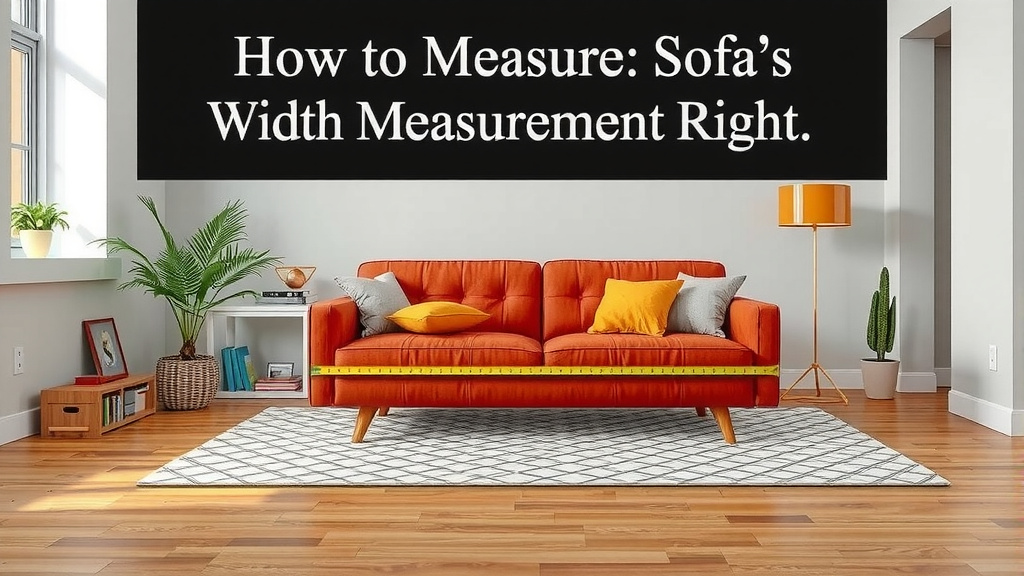
Getting Your Sofa’s Width Measurement Right
You’ve got your eye on a new sofa, or maybe you’re just rearranging your living room. Either way, knowing your sofa’s exact width is a really important detail. It’s like knowing your shoe size before buying shoes. You wouldn’t want to buy a sofa that’s just a bit too big to fit through the door, would you? We’ve all heard horror stories about furniture that got stuck! Let’s make sure that doesn’t happen to you.
So, how do you actually measure it? It’s quite straightforward. You’ll need a tape measure, and ideally, a friend to help hold it steady. But if you’re a solo furniture shopper, you can manage it yourself too. The most common way to measure sofa width is from the outer edge of one armrest to the outer edge of the other armrest. This measurement gives you the overall span of your sofa.
What You’ll Need to Measure Your Sofa
Before you start, gather your tools. You don’t need anything fancy. A standard tape measure from your toolbox or even a sewing tape measure will work perfectly fine. The key is that it’s flexible and can lay flat against the sofa. Ensure it’s long enough to span the entire width. Most sofas won’t exceed 100 inches, so a typical 120-inch tape measure should be more than sufficient.
Having a helper can make the process smoother. One person can hold one end of the tape measure against the outermost point of an armrest, while the other person pulls the tape taut across to the other side. This ensures the tape stays straight and you get an accurate reading. If you’re doing it alone, you can try taping one end down or using a level to keep the tape straight.
Tools for Accurate Measurement
- A flexible tape measure (metal or fabric).
- A helper (optional but recommended).
- A notepad and pen to jot down the measurement.
Step-by-Step Guide to Measuring Sofa Width
Let’s break down the process. It’s simple, but paying attention to a few details will ensure accuracy. This prevents any guessing games later on when you’re trying to fit it into your space.
Step 1: Prepare Your Sofa and Space
First, make sure your sofa is in its usual position. Don’t try to measure it while it’s tilted or partially disassembled, if that’s even possible. You want to measure it as it would sit in your room. Clear any clutter around the sofa so you have easy access to both ends of the armrests.
Sometimes, cushions can shift or be removed. For the overall width measurement, you should measure with the cushions in place. This is because the cushions often add to the perceived and actual size of the sofa. If you’re worried about getting it through tight spaces, you might also want to measure with cushions removed later, but start with the full, assembled width.
Step 2: Locate the Starting and Ending Points
Identify the outermost point of one armrest. This is where your tape measure will begin. Then, find the outermost point of the other armrest. This is where your measurement will end. Think of it as drawing a straight line from one tip of the sofa’s “wings” to the other.
Be mindful of decorative elements. Some sofa arms have curved edges or protrude slightly. Always go for the absolute furthest point on the exterior of the arm. This is especially important if you’re measuring for delivery pathways, as even a slight difference can matter. Many furniture manufacturers use these exterior-to-exterior measurements for their product specs (National Retail Federation).
Step 3: Take the Measurement
Lay the tape measure flat along the front or back of the sofa, whichever is easier to access and keeps the tape straight. Start at the zero mark on the outside of one armrest. Extend the tape measure in a straight line across the entire sofa to the outside of the other armrest.
Ensure the tape is pulled taut and not sagging in the middle. This is where a helper is really useful. If you’re by yourself, try to keep the tape as level as possible. Read the measurement where the tape meets the outer edge of the second armrest. If the number isn’t a whole inch, round up to the nearest half-inch or inch to be safe. It’s always better to have a little extra room than not enough.
Common Measurement Pitfalls to Avoid
- Measuring from the inside of the armrest instead of the outside.
- Letting the tape measure sag in the middle.
- Not accounting for protruding decorative elements on the arms.
- Measuring only the seating area and not the full exterior width.
Understanding Different Sofa Width Measurements
Not all width measurements are the same, and sometimes manufacturers or retailers might use different terms. It’s helpful to know what they mean.
Total Exterior Width vs. Seating Width
The measurement we’ve been discussing—from the outer edge of one arm to the outer edge of the other—is the total exterior width. This is the most critical measurement for fitting the sofa into your home and through doorways. It dictates the overall footprint of the sofa.
You might also see ‘seating width’ mentioned. This refers to the width of the sofa’s cushions, the area where you actually sit. This is usually about 10-20 inches less than the total exterior width. While interesting, it’s not the number you need for checking door frame clearance or delivery truck space (Consumer Reports).
What About Sectionals?
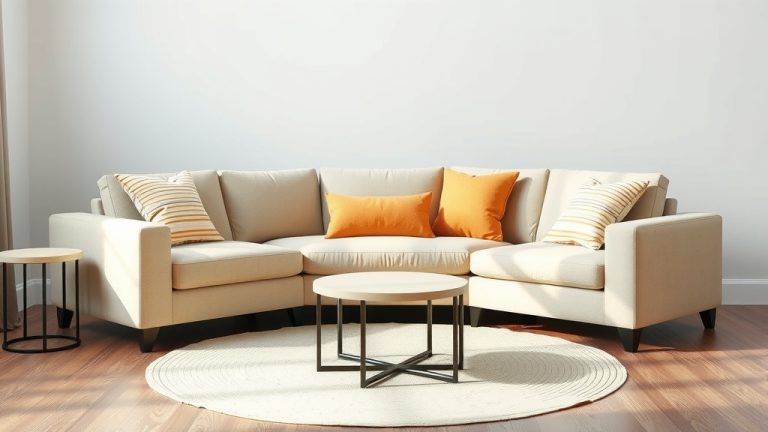
If you have a sectional sofa, measuring the width is a bit different. You’ll need to measure the width of each individual piece or “component.” Then, you’ll add those widths together to get the total measurement when configured in your desired layout. Remember to account for the space between pieces if there are any significant gaps.
For sectionals, also measure the depth of each piece, as they can vary. This is important for how the pieces connect and how much floor space the entire configuration will take up. For example, you’d measure the chaise lounge’s width and depth, and then the sofa part’s width and depth, and so on.
| Measurement Type | What it Tells You | Why it Matters |
|---|---|---|
| Total Exterior Width | Outer arm to outer arm. | Doorway clearance, room fit, delivery access. |
| Seating Width | Width of the cushion area. | Comfort and how many people can sit. |
| Depth (Overall) | Front of sofa to back. | Room placement, traffic flow. |
| Height | Floor to top of back cushion. | Visual scale, fitting under windows. |
Checking Your Measurement with the Floor Plan
Once you have your sofa’s width, compare it to your room’s dimensions. Use your floor plan or a measuring tape to mark out the space. You can even use painter’s tape on the floor to outline the sofa’s footprint. This visual cue helps you see if there’s enough room to walk around it comfortably. Experts often recommend at least 30 inches of clearance for walkways (National Association of Home Builders).
Don’t forget about other furniture! Think about how your sofa will interact with coffee tables, end tables, and entertainment centers. Ensure you have enough space for easy movement and access to all items. Measuring your sofa’s width is the first step to a well-planned living space. It sets the foundation for everything else.
Quick Checklist for Measuring Your Sofa Width:
- Have a flexible tape measure ready.
- Ensure sofa is in its final position.
- Measure from the absolute outer edge of one armrest.
- Stretch tape measure in a straight, taut line.
- Record the measurement from outer edge to outer edge.
- Always round up to the nearest inch for safety.
Conclusion
You’ve now learned how to accurately measure your sofa’s width, a simple yet vital step for any furniture project. Remember, it’s all about measuring from the outermost point of one armrest to the other, keeping your tape measure straight and taut. This one measurement helps prevent headaches with doorways, delivery, and room arrangement. You’re now equipped to make confident decisions about your living space. Take a moment to grab your tape measure and confirm your sofa’s width today!
Frequently Asked Questions
What if my sofa has legs that stick out slightly?
You should measure from the absolute furthest point of the sofa, which would include any protruding legs or decorative elements on the armrests. This ensures you account for the sofa’s full footprint.
Can I measure sofa width by myself?
Yes, you can measure sofa width by yourself. You can use a bit of tape to secure one end of the measure, or prop it up against a wall. Having a helper certainly makes it easier and more accurate, though!
Should I measure the sofa with or without cushions?
For the total exterior width, you should measure with the cushions in place. Cushions often contribute to the sofa’s overall dimensions and how it will fit through spaces.
What’s the difference between exterior width and seating width?
Exterior width is the measurement from armrest to armrest, accounting for the entire sofa. Seating width is just the space where you sit, which is typically less. You need the exterior width for fitting purposes.
How do I measure a sofa that’s already in a tight corner?
If your sofa is in a tight spot, try measuring along the back if possible, or use a flexible tape measure. You might need to get creative and measure in sections, ensuring you keep the tape straight and level for accuracy.
![10 Best Affordable Reclining Sofa [2026]](https://hometopaccesories.com/wp-content/uploads/2026/08/10-best-affordable-reclining-sofa-2026-featured-768x432.jpg)