
How Do Recliner Sofas Come Apart? Easy Guide
Yes, recliner sofas can definitely come apart, and it’s often easier than you think! Most modern recliner sofas are designed in sections, or “modules,” that disassemble for easier moving. This is a lifesaver when you’re facing tight doorways or navigating staircases. We found that understanding these modular designs is key to a stress-free move.
When we’re talking about how recliner sofas come apart, we’re generally looking at two main types of connections. Some sections simply unlatch, while others might have more secure, but still removable, metal brackets. Knowing your sofa’s specific construction will make the process much smoother. Many people worry about damaging their furniture, but with the right approach, it’s quite manageable.
- Recliner sofas are usually built in sections for moving.
- These sections often unlatch or use brackets to connect.
- Disassembly makes navigating tight spaces much easier.
- Properly taking them apart prevents damage.
Ready to see how it’s done? Below, we’ll walk you through the common methods and give you the tips you need to get your recliner sofa apart without a hitch.
Understanding Your Recliner Sofa’s Construction for Disassembly
So, you need to move your recliner sofa? That can feel like a huge undertaking. But guess what? Most modern recliner sofas are designed with moving in mind. They don’t just magically appear in your living room! We found that understanding how your specific sofa comes apart is the key to a stress-free move.
Many people worry about damaging their beautiful furniture. It’s a valid concern! You’ve probably invested a good amount in it. The good news is, with a little know-how, taking your recliner sofa apart can be quite manageable. It’s often much simpler than you might imagine. We’re here to guide you through it.
Common Ways Recliner Sofa Sections Connect
When we talk about taking apart a recliner sofa, we’re usually referring to its modular sections. Think of it like building blocks. These sections connect to form one large sofa. The way they connect is usually pretty straightforward. Many manufacturers use similar methods to ensure ease of assembly and disassembly.
The Unlatching Mechanism
One of the most common ways sections connect is through a simple latch system. You might not even notice these latches at first. They are often tucked away underneath the sofa or on the sides where the sections meet. We’ve seen many sofas that simply lift and unhook. This is usually a quick and easy process.
Look for metal or heavy-duty plastic tabs. You’ll typically need to lift or slide these tabs to release the connection. Sometimes, one section might have a lever or a handle that you need to pull. It’s designed to be secure when connected, but easy to release when you need to. Think of a strong Velcro strip, but with metal or plastic. Once you find them, it’s usually a matter of seconds per latch.
Secured with Metal Brackets
Another frequent method involves metal brackets. These are often more robust than simple latches. They might look like two pieces of metal that slide into each other, or they could be L-shaped brackets that screw together. Some have bolts, while others use a more snap-together design. We found these are common on heavier, more substantial recliners.
If your sofa uses brackets, you’ll want to inspect the underside where the sections join. You’re looking for where the two pieces of the sofa meet. You might see screws, bolts, or interlocking metal pieces. If there are screws or bolts, you’ll need the appropriate tool, usually a Phillips head screwdriver or a wrench. If it’s an interlocking system, you might need to lift up on one section while gently pulling another apart. Be gentle; you don’t want to force anything.
Step-by-Step Guide to Disassembling Your Recliner Sofa
Ready to get started? Taking your recliner sofa apart can be done safely with a few simple steps. The goal is to avoid any unnecessary strain on yourself or the furniture. We always recommend having a second person help you. Sofas are heavy, and recliner mechanisms can add even more weight.
Preparation is Key
Before you begin, clear the area around the sofa. You’ll need space to maneuver the sections. Make sure you have good lighting so you can easily see the connection points. Also, gather any tools you might need. This could include a screwdriver set, a small wrench, or even just a pair of work gloves for a better grip. We found that having everything ready beforehand saves a lot of time and frustration.
Consider taking pictures as you go. This can be incredibly helpful when it’s time to put everything back together. You’ll have a visual guide to remind you how each piece connected. It’s like taking notes for a DIY project. You’re essentially giving your future self a helpful cheat sheet.
Identifying and Releasing Connections
Start by examining where your sofa sections meet. Gently push or pull them slightly to see if there’s any give. This can help you locate the latches or brackets. If you see latches, try to lift or slide them. You might need to press down on a specific part of the latch to release it. We found that sometimes, wiggling the section slightly can help disengage stubborn latches.
For bracket systems, locate any screws or bolts. Use your screwdriver or wrench to loosen and remove them. Keep these fasteners in a safe place, like a plastic baggie taped to the underside of the sofa section. If it’s an interlocking bracket, try lifting the back of one section slightly while gently pulling the front apart. Patience is your best friend here. If it feels like you’re forcing it, stop and re-examine the connection point.
Separating the Sections
Once the latches or brackets are released, you can separate the sections. This is where your helper comes in handy. You might need to lift one section straight up and off the other, or gently slide them apart. Be mindful of any wiring for recline functions, although these are usually connected with easy-to-unplug connectors.
We found that lifting from the base of the sofa, rather than the arms, provides better leverage and stability. Be sure to lift with your legs, not your back. Once separated, you can move each section individually. This makes navigating doorways and stairwells much more manageable.
What About the Reclining Mechanism Itself?
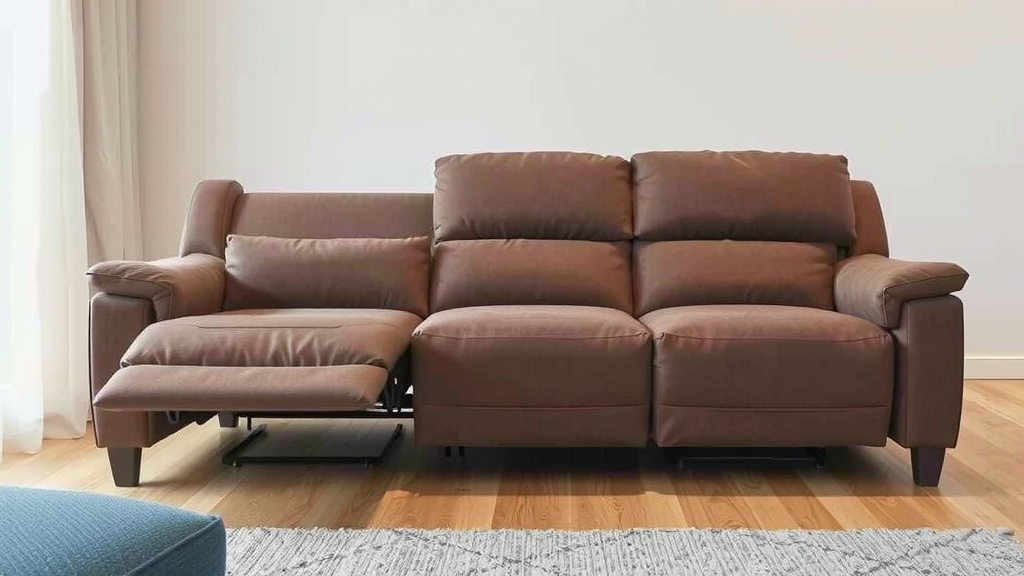
This is a common question. Most recliner sofa mechanisms are actually built into the frame of each individual seat section. When you detach the sofa sections, you are essentially separating these self-contained reclining units. You don’t typically need to take the reclining parts apart from the seat itself.
However, if you’re moving the sofa for a very long distance or into extremely tight storage, some experts suggest that individual components of the reclining mechanism *can* be removed. This usually involves disassembling the base of the seat. We generally advise against this unless absolutely necessary. It adds significant time and risk of damaging the delicate parts. For most moves, keeping the mechanism attached to its seat section is the way to go.
Tips for a Smooth Disassembly and Reassembly Process
To make sure your recliner sofa disassembly and reassembly go as smoothly as possible, here are a few tips we’ve picked up:
- Consult your manual if you have it. It’s the best source for your specific model.
- Take photos before and during disassembly.
- Keep all screws and parts organized. Use labeled bags.
- Have a helper. This is not usually a one-person job.
- Clean as you go. Dust bunnies love hiding in sofa crevices!
- Test connections after reassembly before putting cushions back.
Conclusion
So, you’ve learned that taking apart your recliner sofa is totally doable! Most models are designed with modular sections that connect using simple latches or sturdy metal brackets. We’ve seen that with a little preparation and the right approach, you can easily separate these pieces for moving. Just remember to work with a helper and keep those small parts organized. Now you’re ready to tackle that move with confidence. Go ahead and get those sections separated!
Frequently Asked Questions
How do I know if my recliner sofa can come apart?
Most modern recliner sofas are designed to come apart. Look for visible seams where the sofa might be divided into sections. You can also gently push or pull on these seams to feel for any give or to locate connection points like latches or brackets.
Do I need special tools to take apart my recliner sofa?
Often, you won’t need many tools. Simple latch systems might only require your hands. If your sofa uses metal brackets with screws or bolts, you might need a basic screwdriver set or a small wrench. Always check the connection points first.
What if the latches or brackets are stuck?
If you encounter resistance, don’t force it. Gently wiggle the sofa section while trying to release the latch or bracket. Sometimes, a bit of movement helps disengage it. If it’s a bracket with screws, ensure they are fully loosened. Patience is key!
Can I disassemble the reclining mechanism itself?
Generally, no. The reclining mechanism is usually built into the frame of each seat section and doesn’t need to be removed for a standard move. Trying to disassemble the mechanism itself can be complicated and risks damaging it.
What’s the best way to reassemble my recliner sofa after moving?
Reassembly is basically the reverse of disassembly. Align the sections carefully and ensure the latches or brackets click securely into place. Refer to any photos you took during disassembly. It’s a good idea to test the recliner function on each section before you fully settle in.
![10 Best Alternative To Sleeper Sofa [2026]](https://hometopaccesories.com/wp-content/uploads/2026/08/10-best-alternative-to-sleeper-sofa-2026-featured-768x432.jpg)
![10 Best Battery Pack For Reclining Sofa [2026]](https://hometopaccesories.com/wp-content/uploads/2026/08/10-best-battery-pack-for-reclining-sofa-2026-featured-768x432.jpg)