How to Get Paint Off a Leather Sofa: Easy Fix
The easiest way to get paint off a leather sofa is by using rubbing alcohol. Always test it on an inconspicuous spot first. You can gently lift the paint with a soft cloth or cotton swab. This method is surprisingly effective for fresh or dried paint.
Accidents happen, especially with colorful art projects or spills. Knowing how to tackle paint on your leather furniture can save you from a lot of worry. We found that prompt action with the right cleaning agents is key. Your beautiful sofa doesn’t have to be a permanent canvas for accidental paint marks.
- Use rubbing alcohol and a soft cloth.
- Test in a hidden spot first.
- Gently rub the paint away.
- Wipe with a damp cloth afterward.
- Condition the leather to keep it soft.
Let’s walk through exactly how to get that paint off your leather sofa, step by step, so you can relax and enjoy your furniture again.
“`htmlRemoving Paint from Your Leather Furniture
Paint on leather can seem like a homeowner’s nightmare. Don’t panic! With the right approach, you can often rescue your sofa. We’ve found that acting quickly is your best ally.
Assessing the Paint and Leather Type
Before you grab any cleaning supplies, take a moment to assess the situation. What type of paint is it? Is it water-based (like latex or acrylic) or oil-based? This makes a big difference in how you’ll tackle the stain. Also, consider your leather type. Is it finished (protected) or unfinished (aniline or nubuck)? Finished leather is more forgiving, while unfinished leather requires a much gentler touch.
Finished vs. Unfinished Leather
Finished leather has a protective coating, making it resistant to many stains. Unfinished leather is more natural and absorbent, meaning paint can soak in more deeply. Research your sofa’s material if you’re unsure. Many modern sofas use finished leather. Finished leather is usually smooth and has a consistent color. Unfinished leather often looks and feels more natural, with variations in texture and color.
Water-Based vs. Oil-Based Paint
Water-based paints are generally easier to remove. They often soften with water or mild cleaning solutions. Oil-based paints are tougher. They require solvents that can potentially damage leather if not used carefully. Researching the paint brand can sometimes reveal the base type. Most common house paints are water-based. If you’re dealing with artist paints, check the label. We found that identifying the paint type upfront saves a lot of guesswork later.
Your First Line of Defense: Gentle Cleaning
The safest method usually involves the least harsh chemicals first. This is where a gentle touch can save your sofa.
The Rubbing Alcohol Method (for Finished Leather)
Rubbing alcohol is often your secret weapon. It’s effective at dissolving many types of paint, especially fresh spills. We recommend using isopropyl alcohol, typically the 70% solution. It’s strong enough to work but usually safe for finished leather.
Step-by-Step Guide
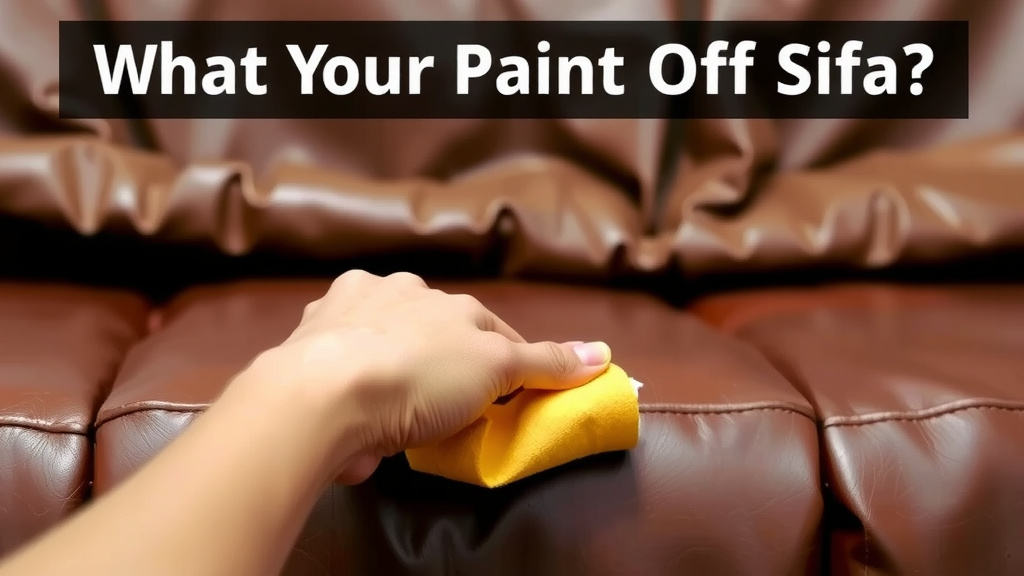
First, grab a clean, soft white cloth or cotton swabs. Dampen a small section of the cloth with rubbing alcohol. Don’t soak it; just make it slightly damp. Gently dab at the paint spot. You don’t want to scrub hard at this stage. Try to lift the paint, rather than push it around. You should see some of the paint transferring to the cloth. Keep using clean sections of the cloth or new swabs as you work. Patience is key here.
Once the paint appears to be gone, wipe the area with a clean, damp cloth. This removes any residual alcohol. Follow up by drying the spot with another soft, dry cloth. It’s important to remove all cleaning agents. We found that this method works surprisingly well for latex and acrylic paints.
Testing in an Inconspicuous Area
This step is non-negotiable. Always test your cleaning solution in a hidden spot first. Look at the underside of a cushion, the back of the sofa near the floor, or a seam. Wait a few minutes after testing. Check for any discoloration, damage, or changes in the leather’s texture. If the test spot looks good, you can proceed to the visible area. This simple test can prevent a minor oops from becoming a major disaster.
What About Water-Based Paints on Unfinished Leather?
If you have unfinished leather and a water-based paint spot, tread very lightly. A slightly damp cloth with just water might be enough to lift fresh paint. For dried water-based paint, you can try a mild soap solution. Mix a tiny amount of gentle, non-detergent soap with water. Dampen a cloth and test it first. Work very gently. Avoid saturation. Unfinished leather can absorb liquids easily, leading to water stains.
Tackling Stubborn or Dried Paint
Dried paint presents a bigger challenge. You might need to try a few different approaches before finding success.
Trying Specialized Leather Cleaners
There are commercial leather cleaners designed for various issues. Some are specifically formulated for ink or paint stains. Always choose a cleaner that is safe for your specific type of leather. Read the product instructions carefully. Apply it to a clean cloth, not directly to the sofa. Test it in your hidden spot before applying it to the stain.
Considering Oil-Based Paints
Oil-based paints are more difficult. Rubbing alcohol may not be effective. You might need a mild solvent. Products like mineral spirits are sometimes recommended, but they carry a higher risk. Many experts advise against using harsh solvents on leather unless you’re experienced or using a product specifically designed for leather. If you choose to try a solvent, use it sparingly on a cotton swab. Dab only the paint, not the surrounding leather. Always test extensively in a hidden area first.
When to Call a Professional
If the paint is old, widespread, or you’re dealing with a delicate, expensive piece of leather, it might be time to call a professional. Leather cleaning specialists have access to professional-grade products and techniques. They understand the nuances of different leather types. Getting professional advice can save your sofa. They can assess the damage and recommend the best course of action.
A Helpful Comparison Table for Cleaning Agents
Here’s a quick guide to common cleaning agents and their suitability:
| Cleaning Agent | Best For | Caution |
|---|---|---|
| Rubbing Alcohol (Isopropyl) | Water-based paint on finished leather | Test first; can dry out leather; use sparingly. |
| Mild Soap and Water | Fresh water-based paint on all leather types (carefully) | Avoid saturation, especially on unfinished leather. |
| Commercial Leather Cleaner | Various stains on specific leather types | Always test; follow product instructions precisely. |
| Mineral Spirits (Mild Solvent) | Stubborn oil-based paint (with extreme caution) | High risk of damage; professional advice recommended. |
Post-Cleaning Care is Essential
After you’ve successfully removed the paint, your work isn’t quite done. Leather needs care to stay looking its best.
Conditioning Your Leather Sofa
Cleaning, especially with alcohol or solvents, can strip natural oils from the leather. This can lead to dryness and cracking over time. After cleaning and drying the spot, apply a good quality leather conditioner. Use a clean cloth to apply a small amount. Gently rub it into the affected area and then buff lightly. This replenishes moisture and keeps the leather supple. Many experts recommend conditioning your entire sofa every 6-12 months anyway. This helps prevent future issues.
Quick Checklist for Paint Removal Success
Keep these steps in mind:
- Identify paint type and leather type.
- Test any cleaner in a hidden spot first.
- Use the gentlest method that works.
- Work slowly and gently, dabbing not scrubbing.
- Wipe away residue with a damp cloth.
- Condition the leather after cleaning.
Conclusion
Accidents with paint on your leather sofa are stressful, but you have options! We found that the key to success is understanding your paint and leather type. For most finished leather, a gentle approach with rubbing alcohol is your best bet. Always remember to test any cleaning solution in a hidden spot before tackling the main stain. By acting quickly and using the right method, you can effectively remove paint and keep your sofa looking great. Don’t forget that conditioning your leather afterward is essential for its long-term health and appearance.
Frequently Asked Questions
Can I use nail polish remover to get paint off leather?
It’s best to avoid nail polish remover on leather. Many formulas contain harsh chemicals like acetone, which can strip the color and damage the leather’s finish. Stick to gentler options like rubbing alcohol, and always test in an inconspicuous area first to be safe.
What if the paint is dried and hard on the leather?
Dried paint is tougher, but not impossible to remove. You might need to try rubbing alcohol for a bit longer or consider a specialized leather cleaner designed for tough stains. For very stubborn, dried paint, a mild solvent might be necessary, but proceed with extreme caution and professional advice.
Will cleaning paint damage my leather sofa?
There’s always a risk of damage if you use the wrong products or methods. Harsh chemicals or aggressive scrubbing can harm the leather. That’s why testing in a hidden spot is crucial, and using gentle dabbing motions is recommended to minimize potential harm to your sofa.
How often should I condition my leather sofa?
After cleaning paint, conditioning is a must. In general, it’s a good idea to condition your entire leather sofa every 6 to 12 months. This helps replenish lost moisture, keeping the leather supple and preventing it from drying out or cracking.
Is it safe to use dish soap on leather?
A very mild, non-detergent dish soap diluted with water can be used cautiously on finished leather for fresh, water-based paint. However, avoid soaking the leather, especially if it’s unfinished. Always test first, and follow up with a damp cloth to remove residue and then condition.



![10 Best Buy Sofa Set [2026]](https://hometopaccesories.com/wp-content/uploads/2026/08/10-best-buy-sofa-set-2026-featured-768x432.jpg)