Top Grain Leather Sofa Lifespan: How Long Will It Last?
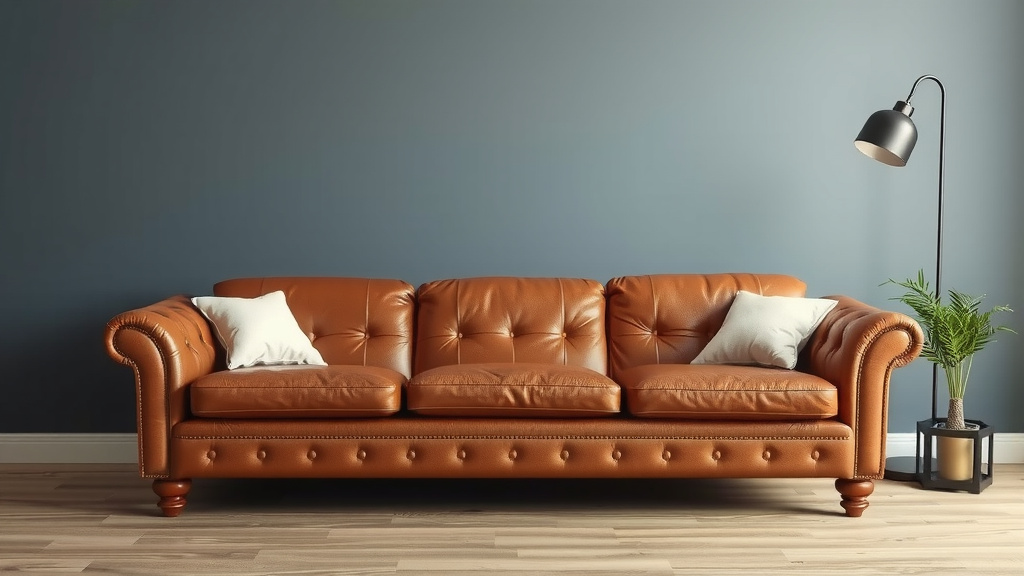
You’re probably wondering about your new top grain leather sofa: how long does top grain leather last? Most research and expert opinions suggest a well-cared-for top grain leather sofa can last anywhere from 10 to 20 years, and often much longer. This type of leather is known for its durability and natural beauty, making it a smart investment for your home if you want furniture that stands the test of time.
It’s more than just a piece of furniture; it’s often the centerpiece of your living room. Top grain leather offers a fantastic balance between quality and affordability. Unlike lower grades, it retains much of the hide’s original character. This means it develops a beautiful patina over time, rather than wearing out quickly. Think of it as a wise choice for lasting comfort and style in your home.
- Top grain leather sofas typically last 10-20 years with good care.
- It’s a durable material that ages beautifully.
- Proper maintenance is key to extending its lifespan.
- It offers a great balance of quality and price.
- Expect it to develop a unique patina over time.
Let’s dive into the specifics of what influences your top grain leather sofa’s longevity and how you can ensure it lasts for decades.
How Long Can You Expect Your Top Grain Leather Sofa to Last?
A top grain leather sofa is an investment that can bring beauty and comfort to your home for many years. With proper care, you can expect a lifespan of **10 to 20 years**, and often even longer. Think of it like a good pair of leather boots; the more you wear them, the better they look, developing a unique character over time.
Several factors play a role in how long your sofa will serve you. It’s not just about the material itself, but also how you treat it. We’ll explore these elements to help you get the most out of your furniture.
Understanding Top Grain Leather: What Makes It Durable?
Top grain leather sits at the top tier of leather quality. It’s essentially the second-highest grade, right below full-grain leather. What sets it apart is that the top layer of the hide is left intact, or only minimally processed. This means it retains the natural grain and some of the original markings of the animal.
The Hide’s Natural Strength
This natural integrity is key to its durability. The top layer of the hide is the strongest part. Because this layer is preserved in top grain leather, it’s naturally more resistant to wear and tear. It’s like the protective outer bark of a tree – it offers the best defense.
Minimal Processing for Maximum Resilience
Unlike lower grades of leather, which often have their imperfections sanded off and then covered with artificial finishes, top grain leather undergoes less processing. This minimal alteration helps maintain the leather’s inherent strength and flexibility. This means it’s less likely to crack or peel over time.
Comparing Leather Grades: A Quick Look
To truly appreciate top grain, it helps to see where it stands:
| Leather Grade | Description | Durability | Appearance |
|---|---|---|---|
| Full Grain | The highest quality; uses the entire grain layer. | Extremely durable | Ages beautifully with a rich patina |
| Top Grain | Second highest; top layer is intact or minimally altered. | Very durable | Ages well, develops patina |
| Corrected Grain (Genuine Leather) | Has the top layer sanded off and refinished. | Moderately durable | More uniform look, can peel |
| Bonded Leather | Made from shredded leather scraps bonded together. | Least durable | Can peel and crack easily |
Key Factors Influencing Your Sofa’s Lifespan
Even the best materials need a little help to last. Several elements can either shorten or extend the life of your top grain leather sofa. Think of them as the vitamins and exercise for your furniture.
Environmental Conditions Matter
Where you place your sofa makes a big difference. Direct sunlight is a major enemy of leather. UV rays can cause the color to fade and the material to dry out, making it brittle over time. Try to position your sofa away from windows or use curtains and blinds to filter the light.
Extreme temperatures can also be damaging. Very dry heat can lead to cracking, while excessive moisture can encourage mold or mildew growth. Maintaining a stable, moderate room temperature is ideal for preserving the leather’s condition.
Usage and Lifestyle Habits
How you and your family use the sofa plays a significant role. Frequent, heavy use, like a home with young children or pets, can lead to more wear and tear. Small scratches from pets, or spills from kids, are more common in active households.
Consider the daily activities. If your sofa is the go-to spot for watching movies with snacks and drinks, spills are more likely. While top grain is more resilient, repeated exposure to moisture or oily substances can still affect its appearance and longevity. Even daily lounging can cause gradual wear on high-traffic areas.
The Importance of Regular Cleaning and Conditioning
This is perhaps the most critical factor you can control. Regular dusting helps prevent abrasive particles from settling into the leather’s grain. A gentle wipe-down with a slightly damp cloth can remove surface dirt.
However, leather is skin, and it needs conditioning. Over time, it can lose its natural oils, leading to dryness and cracking. Applying a good quality leather conditioner every 6-12 months can replenish these oils, keeping the leather supple and preventing damage. Many experts recommend this as a routine maintenance task (The Leather Doctor).
Simple Steps to Maximize Your Top Grain Leather Sofa’s Durability
You’ve invested in quality furniture; now let’s talk about how to keep it looking and feeling great for as long as possible. It’s less about complicated chores and more about consistent, gentle care.
Daily and Weekly Care
Start with the basics. Dust your sofa regularly with a soft, dry cloth. This removes surface dust that can become abrasive. For general cleaning, use a slightly damp, soft cloth to wipe down the surfaces. Avoid harsh chemicals or abrasive cleaners, as these can strip the leather’s finish.
Addressing Spills Promptly
Accidents happen, especially with busy households. If you spill something on your sofa, don’t panic! Blot the spill immediately with a clean, dry cloth. Work from the outside of the spill inward to prevent spreading it. For most liquid spills, this is often enough.
If a stain persists, use a specialized leather cleaner designed for your type of leather finish. Always test any cleaner in an inconspicuous area first, like the back or underside of the sofa, to ensure it doesn’t cause discoloration.
Periodic Conditioning is Key
As mentioned, conditioning is vital for maintaining the leather’s flexibility. Aim to condition your sofa about twice a year, or more if you live in a dry climate. Apply a small amount of leather conditioner to a soft cloth and gently rub it into the leather using circular motions.
Allow the conditioner to absorb for the time recommended by the product manufacturer, usually a few hours. Then, buff off any excess with a clean cloth. This process helps prevent the leather from drying out, cracking, and developing those unsightly stress lines.
Protecting Against Sunlight and Heat
Be mindful of your sofa’s placement. If you notice fading on one side, it’s likely due to sun exposure. Rearranging furniture occasionally can help distribute wear and sun exposure more evenly. If direct sun is unavoidable, consider investing in UV-filtering window treatments.
Keep your sofa away from direct heat sources like radiators, fireplaces, or heating vents. These can dry out the leather much faster than ambient room temperature, leading to premature aging and damage. Aim for a consistent, comfortable room environment.
Dealing with Pets and Children
If you have pets, consider trimming their nails regularly to minimize scratching. For very active pets or young children, a washable throw blanket or a slipcover for specific areas can provide an extra layer of protection. While top grain is durable, it’s not indestructible.
For minor scratches from pets, sometimes gently rubbing the area with your finger can help redistribute the oils and make the scratch less visible. More significant scratches might require a leather repair kit, but often, the natural wear adds character.
Your Top Grain Sofa Care Checklist:
- Dust weekly with a soft cloth.
- Wipe down with a slightly damp cloth for general cleaning.
- Address spills immediately by blotting.
- Condition the leather every 6-12 months.
- Avoid direct sunlight and heat sources.
- Trim pet nails regularly if applicable.
Conclusion
Your top grain leather sofa is built to last, offering years of comfort and style. By understanding that its lifespan hinges on care and environment, you’re already ahead. Remember, consistent dusting, prompt spill management, and periodic conditioning are your best tools. Protecting it from harsh sunlight and extreme temperatures also plays a big role. You can ensure your sofa remains a cherished piece for a decade or more. Start incorporating these simple habits today to enjoy your sofa for years to come!
Frequently Asked Questions
How can I tell if my sofa is actually top grain leather?
Look for natural variations in the grain pattern and texture. Top grain leather usually has a consistent color but will show subtle imperfections and a unique feel that’s distinct from synthetic or lower-grade leathers. A reputable manufacturer’s tag or product description should also specify the leather type.
What’s the biggest mistake people make with top grain leather sofas?
The most common mistake is neglecting regular cleaning and conditioning. Leather needs moisture to stay supple, just like your skin. Allowing it to dry out from lack of care or exposure to heat leads to cracking and a shortened lifespan.
Can pets really ruin a top grain leather sofa quickly?
While top grain leather is durable, sharp pet claws can cause scratches. Constant scratching can eventually wear down the protective finish and the leather itself over time. However, many minor scratches can actually add character and often blend in with regular use.
How often should I really condition my top grain leather sofa?
Most experts recommend conditioning your top grain leather sofa every 6 to 12 months. If you live in a very dry climate or notice the leather feeling stiff, you might need to condition it more frequently, perhaps every 3 to 6 months.
Will my top grain leather sofa become uncomfortable as it ages?
Generally, no. A well-maintained top grain leather sofa often becomes more comfortable with age as it softens and develops a unique patina. The primary concern with aging is physical damage like cracking or tearing, not a loss of comfort.
![10 Best Buy Futon Sofa Bed [2026]](https://hometopaccesories.com/wp-content/uploads/2026/08/10-best-buy-futon-sofa-bed-2026-featured-768x432.jpg)