
How Big Should a Sofa Be? The Ultimate Living Room Scale Guide
When you’re standing in a furniture showroom or scrolling through online catalogs, you’ve probably asked yourself: “Will this sofa actually fit in my space?” It’s one of those questions that seems simple on the surface, but the answer is far more nuanced than most people realize. Choosing the right sofa size isn’t just about squeezing it through your doorway—it’s about creating a comfortable, proportional living space that actually works for how you live.
Think of your sofa as the anchor of your living room. Just like a ship’s anchor needs to be the right size for the vessel, your sofa needs to match your space perfectly. Too small, and your room feels empty and disconnected. Too large, and you’re left feeling cramped and uncomfortable. In this comprehensive guide, I’m going to walk you through everything you need to know about selecting the perfect sofa size for your home.
Understanding Your Space: The Foundation of Sofa Sizing
Before you even think about sofa dimensions, you need to take a hard look at your actual living room. I can’t stress this enough—measurements are your best friend. Grab a measuring tape and measure your room’s length, width, and ceiling height. These numbers will be the foundation of every decision you make.
Your living room dimensions tell a story. A 12×14 foot room calls for a completely different sofa than a sprawling 20×25 foot space. It’s not just about fitting the sofa in—it’s about maintaining proper traffic flow, creating conversation areas, and leaving breathing room for other furniture pieces.
Measuring Your Living Room Accurately
Here’s what you need to do: measure from wall to wall in both directions. Note any obstacles like windows, doors, fireplaces, or architectural features. Take note of where your entry points are. You’ll need to ensure your sofa can physically get into the room, which means considering hallway widths, doorway heights, and any turns you’ll need to navigate.
Don’t skip this step. I’ve seen people make costly mistakes by eyeballing their space. A tape measure costs less than five dollars and could save you from purchasing a sofa that won’t work in your home.
Standard Sofa Sizes and What They Mean
Sofas come in various standard sizes, and understanding these categories will help you navigate the furniture market more effectively.
Apartment and Loveseat Sofas
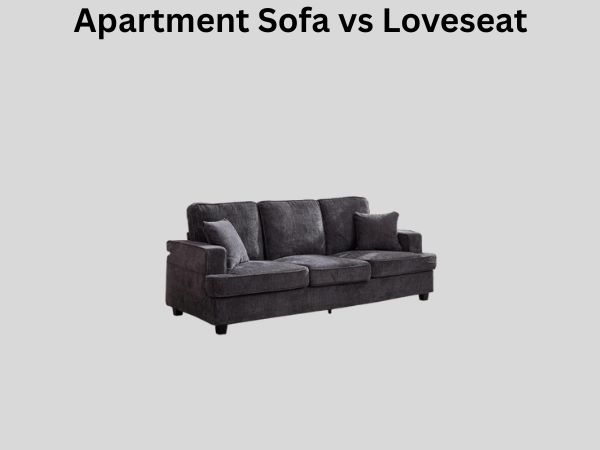
Apartment sofas typically range from 72 to 84 inches wide. These are your compact solutions, perfect for studios, smaller bedrooms being converted to living spaces, or tight urban apartments. A loveseat is even smaller, usually between 52 to 66 inches wide, designed to seat two people comfortably.
If you’re living in a space where square footage is premium, these sizes offer functionality without dominating your room. They’re also the most maneuverable when moving into tight spaces.
Standard Sofas
Standard sofas are the Goldilocks option—not too big, not too small. They typically range from 84 to 96 inches wide. This is the most common size you’ll encounter, and for good reason. They seat three people comfortably and work well in medium-sized living rooms. Most people find this range to be the sweet spot between functionality and spatial balance.
Grand and Sectional Sofas
Grand sofas exceed 96 inches in width, often reaching 120 inches or beyond. Sectionals come in numerous configurations and can occupy significant floor space. These are for rooms with generous dimensions or open-concept living spaces where you have room to breathe.
The 60-Percent Rule: Your Secret Weapon
I want to introduce you to one of the most useful principles in interior design: the 60-percent rule. This rule states that your sofa should occupy approximately 60 percent of your room’s wall length. This creates visual balance and prevents your furniture from overwhelming the space.
Here’s how to use it: measure the wall where your sofa will sit. Multiply that measurement by 0.6. This gives you your ideal sofa length. For example, if your wall is 14 feet long, your sofa should be approximately 8.4 feet (or around 100 inches) wide.
Does this mean you must follow this rule religiously? Not necessarily. But it’s an excellent guideline that tends to create aesthetically pleasing results most of the time. Think of it as a recommendation rather than a law.
Room Layout Considerations
Traffic Flow and Pathways
Your sofa placement affects how people move through your living room. You should maintain at least 18 inches of clearance on either side of your sofa for comfortable traffic flow. This isn’t just about convenience—it affects how spacious your room actually feels.
Imagine walking through your living room. Does the path feel natural and unobstructed? Or do you feel like you’re navigating an obstacle course? Your sofa size directly impacts this experience.
Relationship with Other Furniture
Your sofa doesn’t exist in isolation. It needs to work harmoniously with your coffee table, side tables, TV stand, and any other furniture pieces. A massive sectional might make sense dimensionally, but if it leaves no room for a coffee table or side seating, you’ve made a mistake.
Think about creating conversation zones. Ideally, people sitting on your sofa should be able to see and interact with those in armchairs or on other seating pieces without having to turn completely around.
Distance from Your Television
If you’re a television watcher (and let’s be honest, most of us are), the distance between your sofa and TV matters. For optimal viewing, you should sit about 1.5 to 2.5 times the screen’s diagonal measurement away from your television. This affects where your sofa needs to be positioned and potentially how large it can be.
Depth Considerations: Don’t Overlook This Dimension
When people talk about sofa size, they usually focus on width. But depth is equally important. Standard sofa depths range from 30 to 40 inches. Deeper sofas (38-40 inches) feel more luxurious and are incredibly comfortable for lounging, but they consume more floor space and might overwhelm a smaller room.
A shallower sofa (30-35 inches) works better in tight spaces and can feel more formal. However, some people find them less comfortable for extended sitting or napping.
Here’s the question you should ask yourself: what will you actually do on this sofa? If you want to lounge and nap, go deeper. If you primarily sit upright for conversation and TV watching, a shallower option works fine.
Arm Style and Overall Proportions
Track Arms vs. Rolled Arms
The style of your sofa’s arms affects its overall visual weight and actual dimensions. Track arms are sleek and modern, adding minimal visual bulk. Rolled arms are chunkier and more traditional, creating a heavier appearance.
If your room is smaller, track arms might feel less imposing. In larger spaces, rolled arms can add coziness and sophistication.
Height Matters Too
Sofa height ranges from 28 to 36 inches to the seat. Taller sofas can make a space feel cramped, especially if your ceilings aren’t particularly high. Shorter, lower-profile sofas work better in compact rooms and feel more contemporary.
Measure your ceiling height and the proportions of your room. A sofa that’s 36 inches tall in a room with 8-foot ceilings will feel more prominent than the same sofa in a room with 10-foot ceilings.
Sectionals: A Different Beast Entirely
Sectionals offer flexibility that traditional sofas can’t match. You can customize them to fit your space, with various configurations available. However, they also consume considerably more floor space.
L-Shaped Sectionals
L-shaped sectionals are the most popular configuration. They work well in corner spaces and create defined seating areas. A typical L-shaped sectional might be 100 inches on one side and 75 inches on the other. The total footprint is substantial, so make sure your room can handle it.
U-Shaped Sectionals
U-shaped sectionals are for serious space lovers. They’re wonderfully luxurious and perfect for large families or entertainment-focused homes. In a smaller living room, they’re simply impractical.
Modular Sectionals
Modular sectionals offer the most flexibility. You can start with a smaller configuration and add pieces as needed. This is smart if you’re unsure about your ideal setup or might be moving to different spaces in the future.
The Importance of Doorways and Hallways
I’ve mentioned this briefly, but it deserves its own section because it’s a genuine problem. A sofa that looks perfect in the showroom is useless if you can’t physically get it into your home.
Measure your hallway width and doorway heights. Consider any corners you’ll need to navigate. Some delivery teams are excellent at maneuvering furniture, but there are physical limits. A sofa wider than your hallway simply won’t fit, no matter how skilled the movers are.
When you’re shopping, ask about the sofa’s box dimensions, not just the assembled dimensions. The box might be smaller than the assembled piece, which could make a difference in whether it fits through your entryway.
Room Style and Aesthetic Balance
Modern Minimalist Spaces
In minimalist interiors, a smaller, more streamlined sofa works beautifully. The goal is to create open, uncluttered space, so a compact, low-profile sofa supports this aesthetic perfectly.
Traditional and Classic Interiors
Traditional spaces often benefit from fuller, more substantial furniture. A larger sofa with rolled arms and deeper cushions fits the aesthetic and feels appropriate for these design styles.
Contemporary and Eclectic Spaces
Contemporary design offers more flexibility. You might choose based purely on functional needs rather than following strict aesthetic rules. An oversized sofa in a contemporary space can feel bold and intentional rather than cramped.
Future-Proofing Your Decision
Remember, you’re not just choosing a sofa for today—you’re investing in furniture that will hopefully last years. Think about your lifestyle five years from now. Will you have children who need more seating? Will you entertain frequently? Are you downsizing eventually?
These questions should influence your decision. A slightly smaller sofa is easier to work with if you need to reorganize or move. A sectional might be perfect now, but could become a liability if you relocate to a smaller space.
Quick Reference: Sizing By Room Dimensions
To make this practical, here’s a quick reference guide for different room sizes:
- Small rooms (under 150 sq ft): 72-84 inch sofa
- Medium rooms (150-250 sq ft): 84-96 inch sofa
- Large rooms (250-400 sq ft): 96-120 inch sofa or sectional
- Very large rooms (over 400 sq ft): 120+ inch sofa or large sectional
These are guidelines, not absolutes. Your specific room layout, ceiling height, and personal preferences should guide your final decision.
Testing Before You Buy
If possible, visit showrooms and actually sit on the sofas you’re considering. Feel the cushion firmness. Test the depth by trying to recline. See how it feels to sit at a normal viewing angle. Online shopping is convenient, but for furniture as significant as a sofa, physical testing is invaluable.
Bring photos or measurements of your room. Some furniture stores will help you visualize how a piece will look in your space. Many also offer returns or exchanges within 30 days, which provides some safety net if your choice doesn’t work out.
The Impact of Accessories and Styling
Once you’ve chosen your sofa size, how you style it affects how large or small it appears. A sofa piled with throw pillows and blankets looks fuller and larger. A minimally styled sofa with just one or two pillows appears sleeker and less imposing.
This doesn’t change the actual dimensions, but it definitely affects perception. You can make a large sofa feel cozier with the right accessories, or a small sofa feel more substantial with thoughtful styling.
Budget Considerations
Generally, larger sofas cost more than smaller ones. However, this isn’t always linear. Sometimes a well-made smaller sofa costs more than a poorly constructed larger one. Don’t let size alone dictate your budget. Focus on quality construction, materials, and craftsmanship regardless of dimensions.
A smaller, high-quality sofa that lasts ten years is a better investment than a larger, poorly-made sofa that falls apart in three years. Think about value, not just size.
Conclusion
Choosing the right sofa size comes down to understanding your space, measuring accurately, and being honest about how you’ll use your furniture. There’s no universal answer to “how big should a sofa be”—only the right answer for your specific situation.
Start by measuring your room thoroughly. Apply the 60-percent rule as a guideline. Consider traffic flow, ceiling height, doorway dimensions, and how your sofa will interact with other furniture. Think about your lifestyle and aesthetic preferences. Test options in showrooms if you can. And most importantly, choose a sofa that makes you happy in your actual living space, not just in a showroom or catalog.
A well-sized sofa becomes the heart of your living room. It’s where you relax, entertain, and spend countless hours. Taking time to make the right choice ensures you’ll enjoy your sofa for years to come, rather than regretting an impulsive decision. Trust the process, do your homework, and you’ll end up with furniture that’s absolutely perfect for your home.
Frequently Asked Questions
What’s the average sofa size for most homes?
The average sofa size falls in the 84 to 96-inch range. This standard size seats three people comfortably and fits well in typical medium-sized living rooms. Most furniture manufacturers focus their production on this range because it works for the majority of households. However, “average” doesn’t necessarily mean “right for you”—your specific space and needs might call for something different.
Can I fit a large sofa in a small apartment?
It’s possible but not always practical. A large sofa in a small apartment can make the space feel cramped and restrict traffic flow. Unless your apartment has an open floor plan with high ceilings, I’d recommend sticking with sizes under 84 inches. A well-proportioned smaller sofa will make your apartment feel more spacious and livable than an oversized sofa that dominates the room.
How do I know if a sofa will fit through my doorway?
Measure your doorway width and height, then ask the furniture retailer for the sofa’s box dimensions. The boxed sofa might be smaller than the assembled dimensions, which sometimes makes a difference. Also consider hallway widths and any corners you’ll need to navigate. Many delivery services can disassemble and reassemble sofas, but this adds cost and isn’t always possible depending on the construction.


![10 Best Cat Friendly Sofa [2026]](https://hometopaccesories.com/wp-content/uploads/2026/08/10-best-cat-friendly-sofa-2026-featured-768x432.jpg)