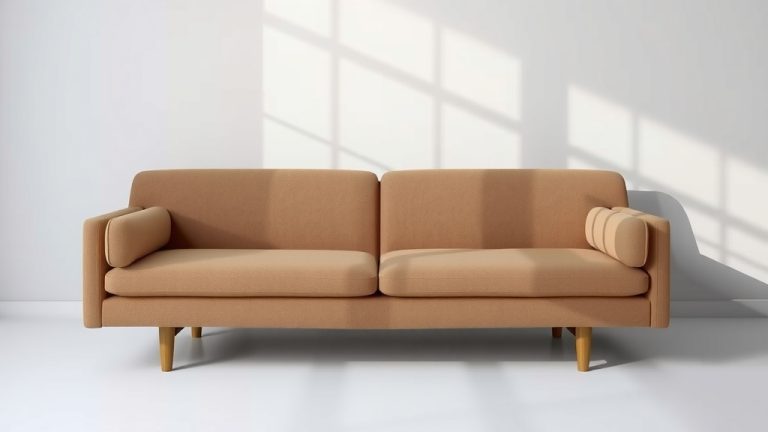
How Can I Make My Sofa Legs Higher? The Best Furniture Leg Swap Solutions
Have you ever sat on your sofa and felt like you’re sinking into a furniture black hole? Or maybe your living room just looks a bit too squat and needs some vertical personality? I’ve been there, and let me tell you, raising your sofa legs might be the simplest home improvement project you’ve never considered.
The thing is, most people don’t realize that sofa height plays a huge role in both comfort and aesthetics. A low sofa can make your entire room feel cramped, while properly elevated legs create an open, airy feeling that makes your space look bigger and more sophisticated. Plus, higher sofas are often easier to get in and out of, which is a real game-changer if you have mobility concerns.
In this guide, I’m going to walk you through everything you need to know about making your sofa legs higher. Whether you’re looking for a temporary fix or a permanent solution, I’ve got you covered.
Why Sofa Height Really Matters
Let me start with the basics. Your sofa isn’t just a place to sit—it’s a statement piece in your living room. The height of that sofa affects everything from how comfortable you feel to how spacious your room appears to visitors.
The Comfort Factor
Imagine trying to stand up from a really low couch when your knees aren’t what they used to be. Frustrating, right? A sofa that sits too close to the ground requires more effort to get up from, which is exactly why many people struggle with older furniture. When you elevate your sofa legs, you’re not just improving the look—you’re improving the functionality and comfort of your home.
Visual Space and Design Impact
Here’s a little interior design secret that most people don’t talk about: higher sofas create the illusion of more floor space. It’s kind of like how wearing vertical stripes makes you look taller. When there’s visible floor underneath your sofa, your brain perceives the room as larger and more open. Lower sofas? They feel like they’re taking up the entire room.
Health and Accessibility Considerations
If you have issues with your back, knees, or hips, a higher sofa isn’t just a luxury—it’s a necessity. Medical professionals often recommend elevated seating for people with certain conditions because it reduces strain on the joints.
Understanding Your Current Sofa Leg Situation
Identifying Your Sofa Leg Type
Before you start shopping for solutions, you need to understand what you’re working with. Not all sofa legs are created equal, and the type you have will determine which elevation methods will actually work.
Wooden Legs
Wooden legs are the classic choice. They’re typically attached with bolts or screws from underneath the sofa frame. The good news? They’re usually easy to remove and replace with taller versions.
Plastic or Resin Legs
These are common on more affordable sofas. They might be glued on, screwed in, or both. Removing them requires a bit more care since you don’t want to damage the sofa’s base.
Metal Legs
Metal legs, whether stainless steel or aluminum, are popular on modern sofas. They’re usually bolted on and are relatively straightforward to replace.
Integrated Legs
Some sofas have legs that are actually part of the frame structure. These are trickier to modify, and you might need professional help.
Measuring Your Current Height
Get out a measuring tape and find out how high your sofa currently sits from the floor. Most standard sofas are between 16 and 18 inches high. Knowing this number helps you figure out how much higher you need to go.
Method 1: Furniture Leg Risers and Extensions
This is probably the simplest solution if you want a temporary or semi-permanent fix. Furniture risers are like shoes for your sofa legs—they slip right under and add instant height.
How Furniture Risers Work
Risers are typically made from plastic, rubber, or wood. They sit under your existing legs and lift your sofa higher. The beauty of this method is that it’s completely reversible. If you decide you don’t like the extra height, you just slide them out.
Advantages of Using Risers
- No tools required for most models
- Completely reversible
- Relatively inexpensive
- Works with almost any sofa
- Can add anywhere from 2 to 6 inches of height
- Wide variety of styles available
Disadvantages to Consider
- Might make your sofa look a bit awkward if you’re not careful with the style
- Can sometimes slip if not properly weighted
- Limited height increase compared to full leg replacement
- Quality varies widely between brands
Choosing the Right Risers
When you’re shopping for risers, you’ll want to look for ones that match your sofa leg diameter. Most furniture leg risers come in a few standard sizes, typically ranging from 2 to 4 inches in height. If you need more, you can actually stack risers, though this gets a bit wobbly for anything over 6 inches total.
Method 2: Replacing Your Sofa Legs Entirely
If you want a more permanent and dramatic change, replacing your entire sofa legs is the way to go. This method gives you the most control over the final height and allows you to completely customize the look.
Finding Compatible Replacement Legs
This is where things get interesting. You have several options for sourcing new legs.
Manufacturer Replacement Legs
Contact your sofa’s manufacturer directly. Many will sell you replacement legs that are designed specifically for your model. The advantage here is perfect compatibility, though it can sometimes be expensive.
Universal Furniture Legs
Companies that specialize in furniture hardware sell universal legs in various heights, styles, and materials. These are more affordable than manufacturer replacements and come in hundreds of designs.
Custom Furniture Leg Makers
If you want something truly unique, there are craftspeople who make custom legs. This is an investment, but you get exactly what you want.
How Much Height Can You Add?
Replacement legs can add anywhere from a modest 2 inches to a dramatic 8 inches or more to your sofa’s height. Most people find that adding 3 to 4 inches gives them the perfect balance between comfort, proportion, and visual appeal.
Installation Process
Here’s the good news: removing old legs and installing new ones isn’t rocket science. Most sofas have legs that are bolted to the frame underneath. You’ll need:
- A wrench or socket set
- Possibly a screwdriver or drill
- A level to ensure everything is even
- A friend to help flip the sofa
Simply flip your sofa over (with help, because sofas are heavy), locate the bolts or screws holding the legs, remove them, and swap in your new legs. Tighten everything down, flip it back over, and you’re done.
Method 3: DIY Leg Extensions
If you’re handy and want to keep your existing legs while making them taller, you can create extensions. This method requires a bit more skill but gives you complete customization.
Materials You’ll Need
- Wood pieces that match or complement your legs
- Wood glue or metal brackets
- Screws or bolts
- Sandpaper
- Stain or finish to match your legs
- Basic tools
The Basic Process
If your legs are wooden, you can literally attach extension blocks to the bottom using screws and glue. For a cleaner look, you might want to use metal brackets that connect the original leg to a new piece. This method works best if you’re comfortable with woodworking and finishing.
Choosing the Right Height for Your Space
Standard Sofa Heights
Most standard sofas sit between 16 and 18 inches from the floor. Contemporary and mid-century modern sofas tend to sit lower, around 15 to 17 inches. Traditional sofas often sit slightly higher, around 17 to 19 inches.
Finding Your Ideal Height
The perfect height depends on several factors. Think about how your sofa relates to other furniture in your space. The seat cushions should ideally be at about the same height as your chair seats, or maybe an inch or two lower. You want a cohesive look where your furniture works together visually.
Comfort Considerations
Beyond aesthetics, comfort matters. If you’re raising your sofa too much, it might feel awkward to sit on. Generally speaking, a seat height of 17 to 20 inches is comfortable for most adults. Go too high, and it starts to feel like you’re sitting on a barstool.
Room Proportions
Consider your ceiling height and room size. In a small room with low ceilings, a very high sofa might feel overwhelming. In a spacious, modern loft with high ceilings, you can be more aggressive with height.
Installation Tips and Best Practices
Before You Start
Read all instructions that come with your new legs or risers. Take photos of how your current legs are attached before you remove them. This reference will save you headaches later.
During Installation
Make sure your sofa is on a flat, hard surface while you work. Doing this on carpet can be tricky since things shift around. Check your work frequently with a level to ensure your sofa isn’t tilted awkwardly. Uneven legs are annoying and potentially unsafe.
After Installation
Sit on your sofa and bounce around a bit. Make sure it feels stable and comfortable. Check all bolts and screws after the first week of use—sometimes they settle and need tightening.
Maintaining Your Elevated Sofa
Regular Inspections
Once a month, get down and look at your legs. Make sure nothing is loose or cracked. This is especially important if you’ve used risers, which can sometimes shift over time with regular use.
Cleaning Your Legs
The space under an elevated sofa actually makes cleaning easier. Vacuum under there regularly to keep dust and debris from accumulating.
Protecting Your Floors
Make sure your new legs have felt pads or protective feet on the bottom. This prevents scratching your floors and helps them slide smoothly when you need to move your sofa.
Cost Considerations
Budget-Friendly Options
Furniture risers are usually the cheapest option, ranging from $20 to $50 for a set. These give you quick height improvement without any real investment.
Mid-Range Solutions
Replacement legs from universal furniture suppliers typically cost between $50 and $150 per set. You’re getting quality and variety without the premium price tag.
Premium Options
High-end replacement legs from the furniture manufacturer or custom makers can run $200 to $500 or more. But you’re getting perfect compatibility and often superior craftsmanship.
Common Mistakes to Avoid
Going Too High Too Fast
I know it’s tempting to max out the height, but moderation is your friend here. Adding 3 to 4 inches is usually the sweet spot. If you add 6 inches, your sofa might start to look unstable or disproportionate.
Ignoring Stability
Whatever method you choose, stability is non-negotiable. Wobbly furniture is uncomfortable and potentially dangerous. Always make sure your sofa feels solid before considering the job done.
Mixing Styles Awkwardly
If you’re replacing legs, try to maintain some visual consistency with your sofa. Putting ultra-modern metal legs on a traditional rolled-arm sofa is probably going to look jarring.
Forgetting About Other Furniture
When you elevate your sofa, consider how it relates to your other pieces. A suddenly high sofa next to a very low coffee table looks odd. Make sure your furnishings work together proportionally.
Professional Help vs. DIY
When to Call a Professional
If your sofa has integrated legs that are part of the frame, or if you’re uncomfortable working with tools, hiring an upholsterer or furniture repair person is worth the investment. They’ll get it done right and handle any unexpected issues.
DIY Success Factors
If you’re handy, reasonably organized, and can follow instructions, DIY leg replacement is totally doable. Just take your time and don’t rush.
Real-World Examples
Modern Living Room Transformation
Take a modern sleek sofa that originally sat 16 inches high. By adding 4-inch furniture risers, you raise it to 20 inches. This creates a more spacious visual feel and makes the sofa easier to get up from. The total cost? About $40 and an afternoon of your time.
Traditional Sofa Update
A vintage brown leather sofa with wooden feet that you inherited from your grandmother can get a whole new life with taller wooden legs in the same style. Swap out 4-inch legs for 7-inch legs, and suddenly the sofa feels lighter and more contemporary. Cost is higher at around $200, but the transformation is dramatic.
Conclusion
Making your sofa legs higher is one of those home improvements that seems

![10 Best Budget Sofa Beds [2026]](https://hometopaccesories.com/wp-content/uploads/2026/08/10-best-budget-sofa-beds-2026-featured-768x432.jpg)
![10 Best Buy Futon Sofa Bed [2026]](https://hometopaccesories.com/wp-content/uploads/2026/08/10-best-buy-futon-sofa-bed-2026-featured-768x432.jpg)