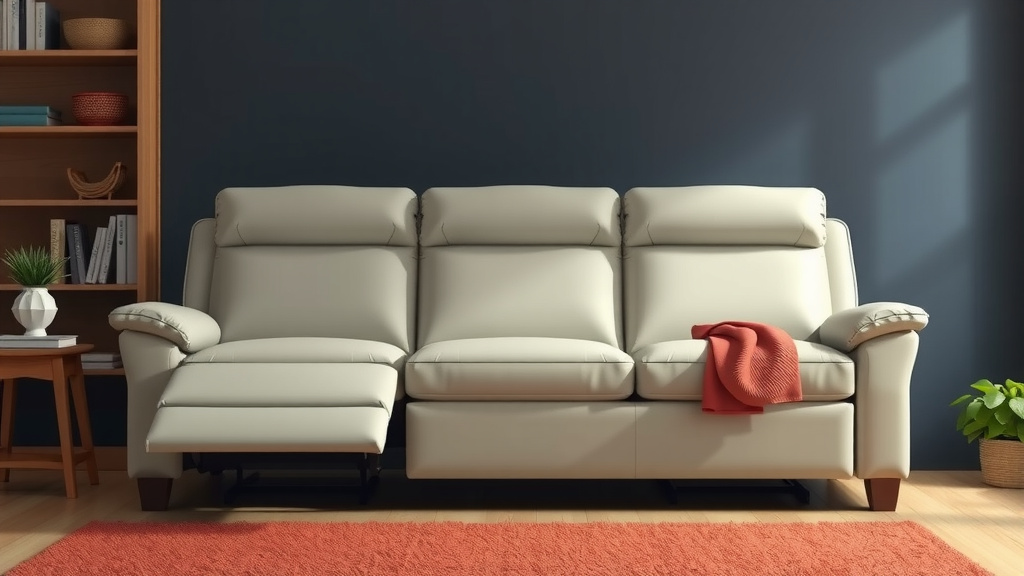
Recliner Sofa Weight: How Much Does It Actually Weigh
So, you’re wondering, how much does a recliner sofa weigh? You’re probably trying to figure out if you and your friends can wrestle it into place. A typical recliner sofa can weigh anywhere from 200 to over 500 pounds. This wide range depends on its size, material, and features like power reclining mechanisms.
When you’re looking at a recliner sofa, think about what’s inside. The sturdy frame, usually made of hardwood or metal, adds a lot of heft. Then there are the thick cushions and the added weight of the reclining hardware. Even a simple manual recliner is a heavy beast.
- Recliner sofas are heavy, often weighing 200-500+ lbs.
- Weight varies by size, materials, and features (manual vs. power).
- Frame construction (hardwood, metal) significantly impacts weight.
- Reclining mechanisms themselves add considerable heft.
- Always plan for movers or help when getting one home.
Let’s get into the nitty-gritty of what contributes to that impressive weight and what you should consider before moving day.
“`htmlUnderstanding the Weight of Your Recliner Sofa
So, you’ve got your eye on a comfy recliner sofa. That’s fantastic! But before you rent a truck or call your strongest friends, let’s talk about weight. A recliner sofa isn’t exactly feather-light. We found that these sofas can weigh anywhere from 200 to well over 500 pounds. Yes, you read that right! It’s a hefty piece of furniture, and understanding why is key to planning its arrival in your home.
The main reason for this substantial weight comes down to its construction. Think of it as a sturdy piece of furniture built to support you and withstand regular use, including the mechanics of reclining. This means durable materials and robust engineering. We’ll break down exactly what goes into making your recliner sofa so heavy.
What Makes Your Recliner Sofa So Heavy?
Several factors contribute to the impressive heft of a recliner sofa. It’s not just the upholstery; it’s what’s underneath and inside that adds the bulk. Let’s look at the primary components that contribute to the scale.
Frame Construction: The Foundation of Heft
The frame is the skeleton of your recliner sofa. Most manufacturers use high-quality materials to ensure durability and support. This is where a lot of the weight comes from. You’ll often find frames made from solid hardwood or metal.
Hardwood Frames
Hardwood frames, like oak or maple, are known for their strength. They can support the stress of reclining mechanisms and frequent use without warping or breaking. These woods are dense, which naturally adds significant weight. Think of it like building a sturdy table; you wouldn’t use balsa wood for something that needs to hold heavy items. For a recliner sofa, hardwood is a must for longevity, but it certainly packs on the pounds.
Metal Frames
Some manufacturers opt for metal frames, often steel. Steel is incredibly strong and durable. A well-built metal frame can be lighter than hardwood, but its density and the sheer amount of metal used in a sofa frame still contribute greatly to its overall weight. You might find certain sections, especially stress points, reinforced with metal, further increasing the heft.
Padding and Upholstery: More Than Just Looks
While not as heavy as the frame or mechanism, the padding and upholstery materials do add to the total weight. You want your recliner sofa to be comfortable, and that means generous amounts of cushioning.
Cushion Density
High-density foam is often used for the seat and back cushions. This foam provides support and maintains its shape over time. Denser foam weighs more than lighter, softer varieties. Manufacturers might also include layers of fiberfill or batting for added softness. All these materials, when layered generously, contribute to the sofa’s overall mass.
Upholstery Fabric Choices
The fabric you choose can also influence the weight. Heavy-duty fabrics like thick leather or tightly woven polyester blends are more durable. These materials are denser and therefore heavier than lighter fabrics like linen or thin cotton. Leather, in particular, is known for its substantial weight, so a leather recliner sofa will generally be heavier than a fabric one.
The Hidden Weight: Reclining Mechanisms
This is where a significant portion of your recliner sofa’s weight comes from. The reclining mechanism itself is a complex piece of engineering designed to lift and move heavy parts of the sofa smoothly.
Manual Reclining Systems
Even a manual recliner has a robust mechanism. You’ll find metal levers, sturdy cables, and heavy-duty metal rails and gears. These components are built to last and withstand repeated operation. The levers might be made of solid metal, and the overall assembly involves multiple metal parts, all adding up. We found that the sheer amount of metal hardware required for smooth operation contributes hundreds of pounds.
Power Reclining Systems
Power recliners add another layer of weight: motors and electrical components. These mechanisms use electric motors to move the footrest and recline the back. Each motor, along with the necessary wiring, transformers, and control boxes, adds extra pounds. You might also have additional features like USB ports or massage functions, which come with their own electronic components.
Weight Comparison: Manual vs. Power
Generally, a power recliner sofa will weigh more than an identical manual recliner sofa. The motors and electrical components are dense and add considerable heft. So, if you’re comparing two similar sofas, expect the power version to tip the scales higher.
Size Matters: How Dimensions Affect Weight
It’s pretty straightforward: a larger sofa will naturally weigh more than a smaller one. The dimensions of your recliner sofa play a huge role in its overall weight.
Three-Seater vs. Two-Seater vs. Sectionals
A standard three-seater recliner sofa is going to be heavier than a two-seater. If you’re looking at a sectional recliner sofa, which often combines multiple pieces with reclining functions, the weight can increase dramatically. Sectionals are essentially multiple sofas joined together, each with its own frame and potentially its own reclining mechanism. We found that larger configurations can easily push the weight well into the 500+ pound range.

Estimating Your Recliner Sofa’s Weight
While exact weights vary, you can get a good estimate based on the type of sofa you’re considering.
General Weight Ranges by Type
Here’s a rough guide to help you plan:
| Sofa Type | Estimated Weight Range (lbs) |
|---|---|
| Manual Recliner Loveseat (2-seater) | 200 – 350 lbs |
| Manual Recliner Sofa (3-seater) | 300 – 450 lbs |
| Power Recliner Loveseat (2-seater) | 250 – 400 lbs |
| Power Recliner Sofa (3-seater) | 350 – 550 lbs |
| Recliner Sectional (Varies Greatly) | 500 – 1000+ lbs |
What to Check When Buying
When you’re shopping, don’t hesitate to ask the salesperson or check the product specifications online. Most retailers will list the product weight. This information is vital for planning delivery and moving. Remember, these are just estimates; actual weight can vary based on specific models and brands.
Preparation is Key for Moving Day
Knowing the weight of your recliner sofa is the first step. The next is preparing for how you’ll get it into your home. This isn’t a one-person job. You’ll need a solid plan and plenty of help.
Moving Day Checklist:
- Recruit Your Crew: Gather at least 2-4 strong helpers.
- Clear the Path: Measure doorways and hallways. Remove obstacles.
- Protect Your Floors: Use furniture sliders or thick blankets.
- Secure the Sofa: Use moving straps if possible.
- Lift with Your Legs: Proper lifting techniques are essential to prevent injury.
- Consider Professional Movers: For very heavy or large sofas, it’s often worth the cost.
Conclusion
So, you’ve learned that recliner sofas are heavy hitters, ranging from 200 to over 500 pounds. This weight comes from sturdy frames, dense cushioning, and the complex reclining mechanisms, especially in power models. Understanding these factors is key to planning its safe arrival in your home. Don’t underestimate the effort involved! Your next step should be to measure your doorways and hallways carefully and gather your trusted crew, or consider hiring professionals if it seems too daunting. If moving is a concern, learn how to disassemble a 3 seater recliner sofa.
Frequently Asked Questions
Will a recliner sofa fit through my standard doorway?
Most standard doorways are 30-32 inches wide. Many recliner sofas, especially larger ones, can exceed this width even when tilted. It’s wise to measure both your doorways and the sofa’s dimensions before purchasing or arranging delivery. You might need to remove the door or disassemble parts of the sofa, if possible.
Are leather recliner sofas heavier than fabric ones?
Yes, generally leather recliner sofas are heavier than fabric ones. Leather is a denser material than most upholstery fabrics. Combined with the underlying frame and mechanisms, this extra density means a leather sofa will likely weigh more than an identical model upholstered in fabric.
Can one person move a recliner sofa?
No, it’s highly unlikely that one person can safely move a recliner sofa. These pieces of furniture are extremely heavy and bulky. You’ll need at least two to four strong individuals, depending on the sofa’s size and your strength, to move it without injury or damage.
Does the brand of recliner sofa affect its weight?
The brand can influence the weight, as manufacturers use different materials and construction methods. Some brands prioritize robust hardwood frames and heavier mechanisms, leading to a higher weight. Others might use slightly lighter, engineered wood or different metal alloys for their frames, potentially reducing the overall heft.
What’s the best way to protect my floors when moving a recliner sofa?
To protect your floors, use furniture sliders designed for heavy items. These create a smooth surface for the sofa to glide on. Alternatively, thick moving blankets or old rugs placed under the sofa can also prevent scratches and dents during the move. Always ensure the path is clear of debris.




![10 Best Brand For Sectional Sofa [2026]](https://hometopaccesories.com/wp-content/uploads/2026/08/10-best-brand-for-sectional-sofa-2026-featured-768x432.jpg)