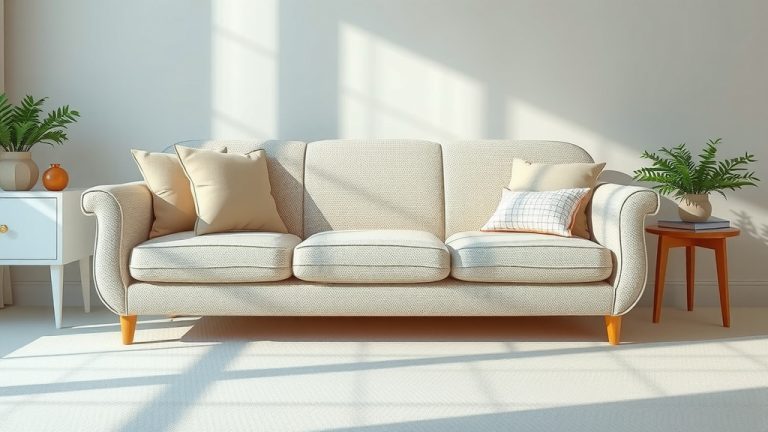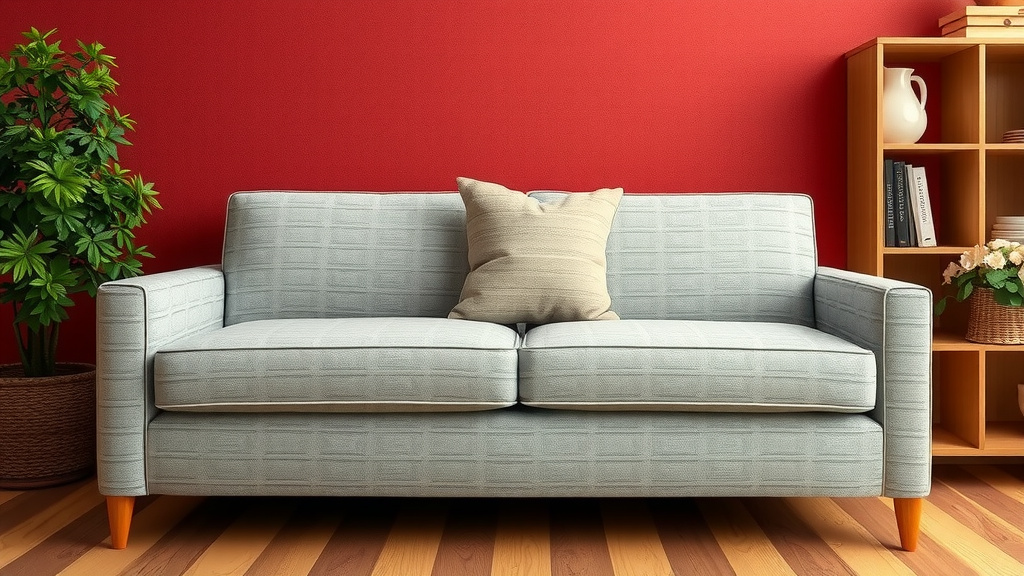
How Much Fabric for Your Sofa Reupholstery Project
Determining how much fabric you need for reupholstering a sofa depends on its size and style. Generally, a standard three-cushion sofa requires between The amount of fabric needed depends on its size and style, which our guide to regular sofa lengths can help you determine.15 to 25 yards of fabric. We found that simpler designs need less material, while sofas with skirts or intricate details can push the yardage higher.
When planning your sofa reupholstery project, consider the fabric’s width. Most upholstery fabrics come in standard widths, usually around 54 inches. This measurement is key to calculating how much you’ll need. It’s always wise to buy a bit extra to account for pattern matching and potential mistakes, as running out mid-project is incredibly frustrating.
- The amount of fabric needed varies by sofa size and style.
- A typical three-cushion sofa needs 15-25 yards of material.
- Consider the fabric width (often 54 inches) for accurate calculations.
- Always purchase a little extra fabric.
- Pattern matching can increase your fabric needs.
Ready to get a handle on your fabric needs? Let’s break down how to measure and calculate the right amount for your specific sofa.
Figuring Out Your Sofa Fabric Needs
So, you’re ready to give your beloved sofa a fresh new look! That’s fantastic. One of the biggest questions on your mind is probably: “How much fabric do I actually need?” It’s a smart question because running out of material halfway through is a decorating disaster nobody wants. We’ve researched this thoroughly, and while there’s no one-size-fits-all answer, we can help you get a really good estimate.
Understanding the Key Factors
Several things will influence the yardage of fabric you’ll need. Think of it like baking a cake – the recipe changes based on how many people you’re serving and what fancy decorations you’re adding. For your sofa, the main players are its size, its style, and the width of the fabric you choose.
Sofa Size Matters
A petite love seat will obviously require less fabric than a sprawling sectional. It’s pretty intuitive, right? Larger sofas with more cushions or longer lengths will naturally eat up more material. We found that even within “standard” sofa sizes, there can be variation.
Style and Details: The Fabric Eaters
This is where things can get a little tricky. Sofas with lots of decorative elements tend to need more fabric. Think about things like:
- Skirts: Sofas with floor-length skirts need extra fabric to go all the way around.
- Extra Cushions: More seat cushions, back cushions, and throw pillows mean more fabric.
- Rolled Arms vs. Track Arms: Rolled arms often require more material than sleeker track arms.
- Tufting: Button tufting can use up a surprising amount of fabric.
- Piping: The cording around edges needs careful cutting and can add up.
Fabric Width is Crucial
This is a big one many people overlook! Upholstery fabric comes in different widths, but a very common width is 54 inches. If your fabric is wider or narrower, your yardage calculations will change. We found that sticking to standard widths often simplifies the math, but always check the bolt!
Calculating Your Fabric Needs: A Step-by-Step Approach
Ready to do some math? Don’t worry, we’ll keep it simple. The most accurate way to figure this out is to measure your sofa pieces. Many upholstery professionals recommend measuring each major component separately. This sounds tedious, but it’s the best way to avoid errors.
The Measurement Method
Here’s a general guideline many experts suggest. You’ll want to measure:
- Seat Cushions: Length x Width x Thickness (multiply by the number of cushions).
- Back Cushions: Similar measurements to seat cushions.
- Arms: Measure the outside and inside surfaces, plus any wraparound parts.
- Base/Skirt: Measure the perimeter of the sofa’s base if it has a skirt.
- Back: The large back panel of the sofa.
Rule of Thumb for Basic Sofas
For a typical, no-frills three-cushion sofa, many sources suggest between 15 to 25 yards of fabric, assuming a standard 54-inch width. A simple sofa with straight lines and minimal curves might be on the lower end of this spectrum. Sofas with rolled arms, skirts, or many loose cushions will likely push you towards the higher end, or even slightly above.
Pattern Matching: The Fabric Guzzler
If your heart is set on a fabric with a large, repeating pattern, you’ll need to buy more material. Why? Because you need to ensure that the pattern lines up perfectly from one piece of fabric to the next. This is called pattern matching, and it can add a significant amount to your fabric needs, sometimes an extra 20% or more. Imagine trying to match a large floral or a geometric design across your sofa cushions – it takes careful planning and extra fabric to make it look seamless.
Adding a Buffer: Your Safety Net
We cannot stress this enough: always buy extra fabric. Seriously. It’s far better to have a bit left over than to discover you’re a yard short with your furniture’s guts exposed. This extra fabric acts as a buffer for:
- Mistakes: Cutting errors happen.
- Pattern Matching: As we just discussed.
- Tricky Areas: Sometimes fitting fabric around curves or seams is more challenging than you anticipate.
- Future Repairs: Having matching fabric later for a small tear or a worn spot is a lifesaver.
Quick Checklist for Your Fabric Calculation
Before you head to the fabric store, run through this quick list:
- Measure your sofa’s key components.
- Note the exact width of your chosen fabric.
- Factor in any decorative details (skirts, rolled arms).
- Account for pattern repeat if your fabric has a design.
- Add a 10-15% buffer for safety.
- When in doubt, ask for help at the fabric store!
Fabric Width Examples
To give you a clearer picture, let’s look at how fabric width affects your needs. We’ll use a hypothetical medium-sized sofa that needs about 18 yards of fabric if using a 54-inch wide material.
| Fabric Width | Estimated Yardage Needed | Notes |
|---|---|---|
| 54 inches (Standard) | 18 yards | Typical calculation. |
| 45 inches (Narrower) | 22-24 yards | Requires more cuts and seams, increasing waste. |
| 60 inches (Wider) | 16-17 yards | Less waste, might need fewer seams. |
As you can see, a narrower fabric means you’ll definitely need more yardage. Wider fabrics can sometimes save you a bit, but they might also present challenges if your sofa pieces are very large and can’t be cut from a single width without waste.

Conclusion
You’re now equipped to tackle your sofa reupholstery fabric needs with confidence! Remember, the key is careful measurement and understanding your sofa’s unique style. Whether it’s a simple couch or a detailed piece, factoring in size, style elements like skirts or rolled arms, and your chosen fabric width will guide you. Always add that extra buffer – it’s your best friend against costly mistakes or running short. Your next step is to grab your measuring tape and start documenting your sofa’s dimensions so you can confidently purchase the right amount of beautiful new fabric!
Frequently Asked Questions
How much fabric is too much?
It’s better to have a little extra fabric than not enough. An extra 10-15% can cover cutting errors, pattern matching challenges, or even future small repairs. Running out mid-project is a decorating nightmare, so this buffer is your safety net.
What if my sofa has a very busy pattern?
Busy or large repeating patterns require more fabric for alignment. You’ll need to ensure the pattern matches perfectly from one fabric piece to the next. We found this can add an extra 20% or more to your total yardage needs, so plan accordingly!
Does the sofa’s frame affect how much fabric I need?
While the frame itself isn’t upholstered, its design can influence fabric needs. For example, a sofa with a lot of exposed wooden trim might require less fabric overall compared to a fully upholstered one with thick padding on its frame.
Can I use different fabrics for different parts of the sofa?
Absolutely! Many people choose to use a primary fabric for the main body and a coordinating or contrasting fabric for cushions or accents. Just be sure to calculate the yardage needed for each fabric type separately based on the area it will cover.
What’s the easiest way to measure my sofa parts?
The most reliable method is to measure each component individually. For seat and back cushions, measure length, width, and thickness. For arms, measure all visible surfaces. Don’t forget to measure the perimeter if your sofa has a skirt. This detailed approach helps ensure accuracy.




![10 Best Compact Sofa Bed [2026]](https://hometopaccesories.com/wp-content/uploads/2026/09/10-best-compact-sofa-bed-2026-featured-768x432.jpg)