
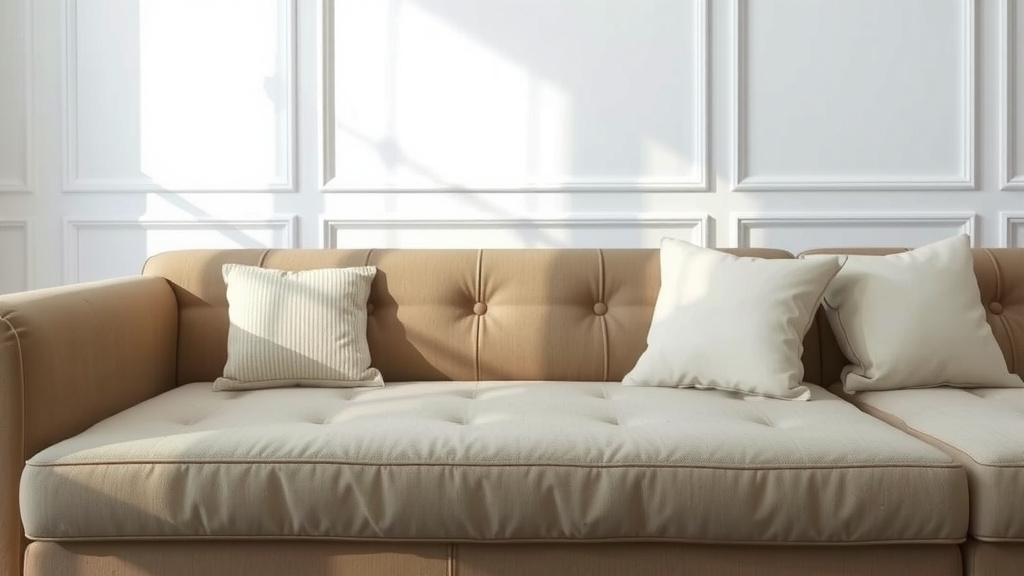
How Often to Replace Sofa Seat Cushions
Generally, you should replace sofa seat cushions every 5 to 10 years, depending on their quality, material, and how much you use them. Wear and tear, loss of support, and visible damage are all signs they might be past their prime.
Replacing your cushions can make a big difference. It can restore your sofa’s comfort and appearance. Many factors go into how long they last, and knowing them helps you decide when it’s time for a refresh. Your sofa deserves to look and feel its best!
- Sofa cushions typically last 5-10 years.
- Look for signs of wear, like flattening or sagging.
- High-quality cushions and less use mean longer life.
- Replacing them can revitalize your sofa’s look and feel.
- Consider the fill material for durability.
We’ve gathered the key signs to watch for. Let’s walk through how to tell if your sofa seat cushions need replacing.
When It’s Time for New Sofa Seat Cushions
Your sofa is more than just furniture; it’s a comfort zone. You relax on it, entertain guests, and maybe even nap there. Over time, those comfy seat cushions can show their age. So, how do you know when they’ve reached the end of their useful life? We’ve found that paying attention to a few key signs can help you decide.
The general lifespan for sofa seat cushions is between 5 to 10 years. This range can shift quite a bit. It really depends on what they’re made of and how you treat them. Think of them like shoes; the more you walk in them, the faster they wear out.
The Feel Test: Sagging and Loss of Support
The most obvious sign your cushions need replacing is when they lose their bounce. Do you sink right to the bottom? Do you feel the sofa frame beneath you? This means the internal support has given up.
We found that when cushions flatten, they’re less comfortable and can even affect your posture. It’s like trying to sit on a deflated balloon. Your back might start to ache after sitting for a while. This is a clear signal that the filling material has compressed too much.
Consider this: if you press down on the cushion and it doesn’t spring back up quickly, or leaves a deep indent, it’s likely time for a change. A good cushion should offer firm but yielding support.
Visual Clues: What to Look For
Beyond just the feel, your eyes can tell you a lot. Are your cushions lumpy? Do they have permanent wrinkles that won’t smooth out? These are signs of wear and tear.
Sometimes, the fabric on the cushions can start to look worn, faded, or even threadbare. You might see seams starting to split or fabric pulling away from the edges. These visual cues are hard to ignore and impact your sofa’s overall look.
We found that even if the sofa frame is still solid, worn-out cushions can make the whole piece look tired. It’s like putting old, frayed curtains on a freshly painted window.
The Impact of Cushion Filling
The type of material inside your cushions plays a big role in their lifespan. Different fillings wear out at different rates.
Foam Cushions
High-density foam is generally more durable than lower-density foam. Over time, even good foam can compress and lose its shape. We found that foam can start to break down, especially with constant use. Our guide to sofa foam lifespan explains how long it typically lasts.
Fiberfill and Polyester
These materials are often softer and more budget-friendly. However, they tend to compact much faster than foam. They can also develop lumps and lose their supportive qualities more quickly.
Down and Feather Fillings
These offer a luxurious, plush feel. But, they require regular fluffing to maintain their shape and support. Over time, the feathers can shift and clump, leading to unevenness and a loss of loft. They often need professional cleaning and re-stuffing to revive them.
Spring-Core Cushions
Some cushions have a foam core wrapped in fiberfill or down, or even have small springs inside. These can offer good support for a longer period. However, the wrapping materials can still wear out.
Usage and Lifestyle Factors
How you use your sofa dramatically affects how long your cushions last. A formal living room sofa that’s rarely used will have cushions that last much longer than those on a family room sofa used daily.
Consider the weight of the people who use the sofa most often. Heavier individuals may cause cushions to compress faster. Also, think about activities like jumping or rough play, which can put extra strain on the cushion’s structure.
We found that pets can also contribute to cushion wear. Claws can snag fabric, and constant shedding can embed deeply. Regular cleaning can help, but the physical stress is still a factor.
Maintenance Matters: Caring for Your Cushions
Proper care can extend the life of your sofa seat cushions. This includes regular rotation and fluffing.
Rotating cushions means moving them from high-traffic areas to less-used spots. This helps distribute wear evenly. For example, swap the seat cushions with the back cushions if they are the same size and shape.
Fluffing is essential for fiberfill and down cushions. Give them a good shake and punch to redistribute the filling and restore their loft. This simple act can make a big difference in comfort and appearance.
We found that most manufacturers recommend rotating and fluffing cushions at least once a month. This prevents one cushion from becoming permanently compressed while others remain plump.
When a Simple Fix Isn’t Enough
Sometimes, you might think you can just plump up your cushions and call it a day. But if the filling is severely compressed, no amount of fluffing will help. It’s like trying to reinflate a completely flat tire.
If you notice permanent indentations or a complete lack of spring-back, the internal structure has likely failed. In these cases, replacement is the only real solution.
The Cost vs. Comfort Equation
Replacing cushions can seem like a significant expense. However, consider the cost of buying a whole new sofa. Often, new cushions are a fraction of that price.
We found that replacing just the cushions can give your sofa a new lease on life. It’s an economical way to improve comfort and aesthetics without a major investment. It’s a smart choice when the sofa frame and fabric are still in good condition.
Signs Your Cushions Are Ready for Retirement: A Quick Checklist
Here’s a handy checklist to help you assess your sofa seat cushions:
- Do they feel noticeably flatter than they used to?
- Do you sink down to the frame when you sit?
- Are there persistent lumps or bumps that won’t smooth out?
- Has the fabric started to sag or look overly worn?
- Do they fail to spring back after you press down firmly?
- Does your back ache after sitting on them for a short time?
If you answered “yes” to one or more of these, it’s a strong indication that it’s time to start thinking about new sofa seat cushions. Your comfort and your sofa’s appearance will thank you!

Conclusion
You’ve learned that sofa seat cushions generally last 5 to 10 years. Keeping an eye on their support and appearance is key to knowing when it’s time for a change. We found that factors like fill material, usage, and a little regular maintenance play a big role. Don’t underestimate the power of a quick fluff or rotation to extend their life. But when they’re truly flat or lumpy, it’s time to act. Your next step is to inspect your cushions and decide if it’s time to invest in new ones for renewed comfort and style.
Frequently Asked Questions
How often should I rotate my sofa cushions?
We recommend rotating your sofa cushions at least once a month. This simple step helps to distribute wear more evenly. It prevents certain cushions from becoming flattened while others remain plump.
Can I fix sagging sofa cushions myself?
Minor sagging might improve with fluffing, especially for fiberfill or down cushions. However, if the cushion’s foam core has compressed permanently or its internal structure has failed, replacement is usually the best option. We found that severe sagging can’t be fully reversed by simple means.
What kind of cushion filling lasts the longest?
Generally, high-density foam tends to offer the longest lifespan and best support. While it can still compress over time, it typically outlasts softer materials like fiberfill or polyester. Down and feather fillings offer luxury but require more upkeep.
Does the fabric of the sofa affect cushion life?
While the fabric itself doesn’t directly impact the cushion filling’s lifespan, its durability can indicate overall wear. If the fabric is visibly worn, faded, or tearing, it suggests the cushions have experienced a lot of use. This often correlates with the cushion filling needing replacement soon.
Is it worth replacing sofa cushions instead of buying a new sofa?
Yes, replacing cushions is often a very smart and economical choice. If your sofa frame and fabric are still in good condition, new cushions can revitalize the entire piece for a fraction of the cost of a new sofa. We found this can significantly improve both comfort and appearance.
![10 Best Beige Sectional Sofa [2026]](https://hometopaccesories.com/wp-content/uploads/2026/08/10-best-beige-sectional-sofa-2026-featured-768x432.jpg)

![10 Best Chesterfield Sofa Bed [2026]](https://hometopaccesories.com/wp-content/uploads/2026/09/10-best-chesterfield-sofa-bed-2026-featured-768x432.jpg)
![10 Way Hand Tied Sofa [2026]](https://hometopaccesories.com/wp-content/uploads/2026/08/10-way-hand-tied-sofa-2026-featured-768x432.jpg)