Average Sofa Height: What You Need to Know
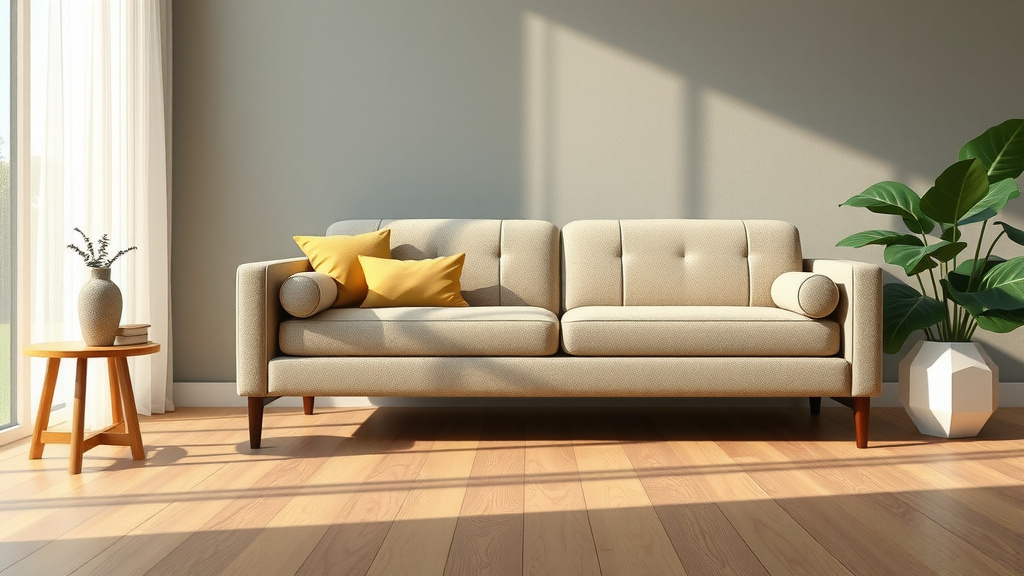
The average sofa height, measured from the floor to the top of the back cushions, typically falls between 30 and 36 inches. So, if you’re wondering, “how tall is the average sofa?” you’ve found your answer! This common range means most sofas will fit comfortably within your living space without feeling too imposing or too low.
While 30-36 inches is standard, sofa heights can vary based on style and design. You’ll find lower-profile, contemporary sofas and more traditional, taller ones. We found that understanding these dimensional differences is key to choosing the right sofa for your home’s aesthetic and your personal comfort.
- Sofa backs usually range from 30-36 inches high.
- Height impacts both style and comfort.
- Modern styles often have lower backs.
- Traditional sofas tend to be taller.
Let’s dive deeper into what affects sofa height and how to pick the perfect one for your needs.
Understanding Average Sofa Dimensions
So, you’re curious about sofa height? It’s a surprisingly important detail for your living space. We found that most sofas hover between 30 and 36 inches from the floor to the top of the back. This range ensures they don’t overpower your room or feel too diminutive.
But why does this particular range dominate the market? It’s a sweet spot that offers a balance. This height is comfortable for most people to sit in and get out of. It also provides enough visual presence without making your room feel cramped.
Factors Influencing Sofa Height
What makes one sofa taller than another? Several design elements play a role. The overall style of the sofa is a major driver. You’ll also find that the type of legs and the cushioning contribute to the final height measurement.
Style and Design Trends
The aesthetic you’re going for really impacts sofa height. Modern and minimalist designs often feature lower profiles. Think clean lines and a sleek, grounded appearance. These can sometimes dip below the 30-inch mark.
On the flip side, traditional or classic sofas often boast taller backs. These designs can add a sense of grandeur and formality to a room. Many of these will easily reach or exceed the 36-inch mark.
The Role of Sofa Legs
Don’t forget the legs! Sofa legs are like the shoes of your furniture. They can dramatically alter the perceived and actual height of your sofa. Tall, slender legs can make a sofa look more airy and potentially taller.
Shorter, thicker legs, or even a skirted base, can make a sofa appear lower. We found that designers often use the legs to fine-tune the sofa’s overall visual weight and height. A sofa with no visible legs, sitting directly on the floor, will naturally appear shorter.
Cushion Depth and Construction
The back cushions are the part that usually dictates the overall height. The way these cushions are stuffed and shaped matters. Plush, overstuffed cushions might make a sofa seem taller than its frame would suggest.
Conversely, firmer, more streamlined cushions can contribute to a lower profile. The depth of the seat cushion also plays a role in how a sofa feels, though it doesn’t directly impact its height from the floor.
Height and Your Comfort: Making the Right Choice
How tall is the average sofa compared to what you need? Your personal comfort is key. Think about how you use your sofa. Do you love to lounge and sprawl out?
Or do you prefer a more upright, supportive seating experience? A taller sofa back can offer excellent head and neck support. This is especially helpful if you often sit and read or watch TV for extended periods.
Support for Different Needs
For those who have trouble getting up from low seating, a taller sofa is a practical choice. We’ve seen many people find relief with sofas that have a seat height around 17-19 inches. This makes standing up much easier.
If you have back or knee issues, this slightly higher seat elevation can make a world of difference. It reduces the strain when transitioning from sitting to standing.
Visualizing the Space
Sofa height also affects the entire feel of your room. A lower sofa can make a room feel more open and spacious. It allows your eye to travel further, giving the illusion of more square footage. This is often a goal for smaller apartments or homes.
Taller sofas, while potentially more supportive, can make a room feel cozier. They can also anchor a larger space. Consider the ceiling height in your room. A very tall sofa might feel overwhelming in a room with low ceilings. We found that balancing proportions is essential.

Typical Sofa Heights by Style: A Quick Guide
To give you a clearer picture, here’s a general breakdown of sofa heights you might encounter:
| Sofa Style | Typical Height Range (inches) | Key Characteristics |
|---|---|---|
| Modern/Contemporary | 28 – 34 | Low profile, clean lines, often sleek legs. |
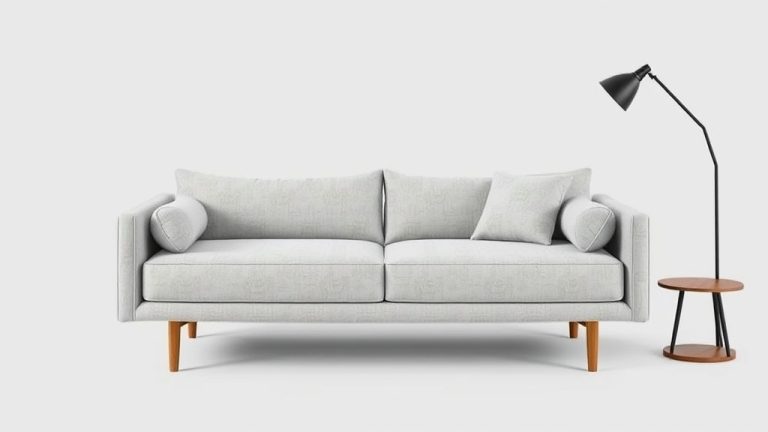
| Mid-Century Modern | 30 – 35 | Tapered legs, often a balanced height, slightly retro feel. |
| Traditional/Classic | 32 – 38+ | Taller backs, often rolled arms, more ornate details. |
| Chesterfield | 30 – 36 | Deep button tufting, often a substantial presence. |
Remember, these are just general guidelines. You’ll always find variations within each style category. Always check the specific dimensions before you buy!
Measuring Your Own Space and Needs
Before you fall in love with a sofa, let’s make sure it’s a good fit. Measure your room carefully. Consider doorways and hallways too – you need to get it into your house!
Think about your own body. How tall are you? How do you prefer to sit? A sofa that feels perfect for someone else might not be ideal for you. We recommend actually sitting on sofas whenever possible.
Key Measurements to Take
When looking at sofa specs, you’ll usually see overall height, seat height, seat depth, and width. Pay attention to the overall height for visual impact and room proportion.
The seat height (floor to top of seat cushion) is crucial for comfort and ease of movement. Aim for a seat height that allows your feet to rest flat on the floor. Many experts suggest a seat height between 17 and 19 inches (American Seating Guidelines).
A Quick Checklist for Choosing Your Sofa Height:
- Measure your room dimensions.
- Consider your ceiling height.
- Think about how you sit (lounge vs. upright).
- Check the seat height for ease of getting up.
- Visualize the sofa’s visual weight in your space.
- Read reviews for comfort and support insights.
Conclusion
You’ve learned that the average sofa height typically sits between 30 and 36 inches. This range offers a great balance for comfort and visual appeal in most living spaces. Remember, style, legs, and cushion construction all play a part in this measurement. Your personal comfort and how the sofa visually fits your room are the most important factors. So, take your measurements, consider your seating preferences, and visualize the sofa in your home. You’re now ready to choose a sofa that’s not just a piece of furniture, but the perfect fit for your life.
Frequently Asked Questions
What is the standard seat height for a sofa?
While overall sofa height is important, the seat height is key for comfort. We found that a standard seat height, measured from the floor to the top of the seat cushion, is usually between 17 and 19 inches. This range makes it easy for most adults to sit down and stand up comfortably.
Will a taller sofa make my room feel smaller?
A taller sofa can impact the perceived size of your room. If your ceilings are low, a very tall sofa might feel overwhelming. Conversely, a lower-profile sofa can make a room feel more open and spacious. It’s all about finding the right balance for your specific space and ceiling height.
Are modern sofas always shorter than traditional ones?
Generally, yes. Modern and contemporary sofa styles often feature lower profiles and cleaner lines, aiming for a sleek, grounded look. Traditional sofas, on the other hand, tend to have taller backs and more substantial designs, which can increase their overall height.
How do sofa legs affect the total height?
Sofa legs can significantly alter the final height. Taller, slender legs can give a sofa an airy feel and increase its overall height. Shorter or thicker legs, or even a sofa without visible legs (like a skirted base), will naturally result in a lower profile sofa.
What if I have trouble standing up from the sofa?
If you find it difficult to get up from low seating, you’ll want to look for a sofa with a slightly higher seat height. Aim for a seat height closer to the 19-inch mark. This extra inch or two can make a big difference in ease of movement and comfort for your knees and back.