Sofa Scatter Cushion Arrangement Guide
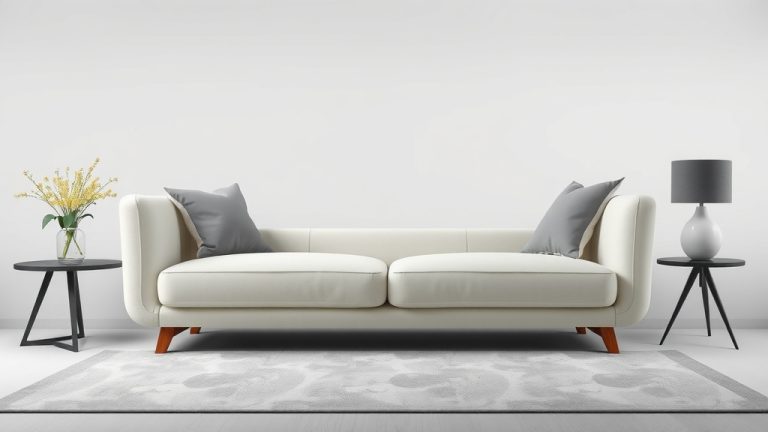
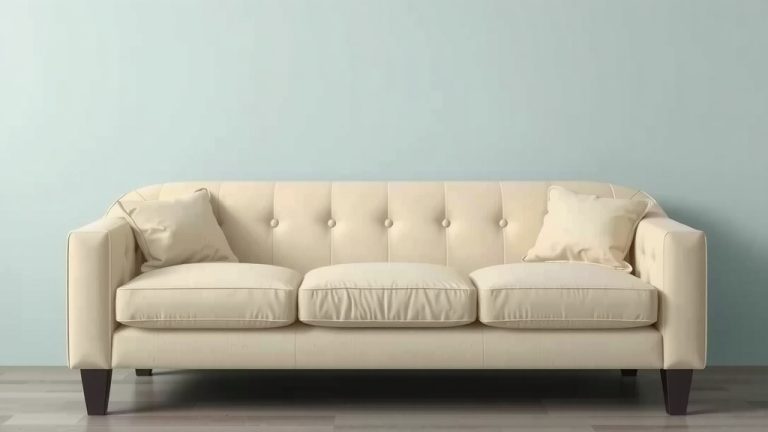
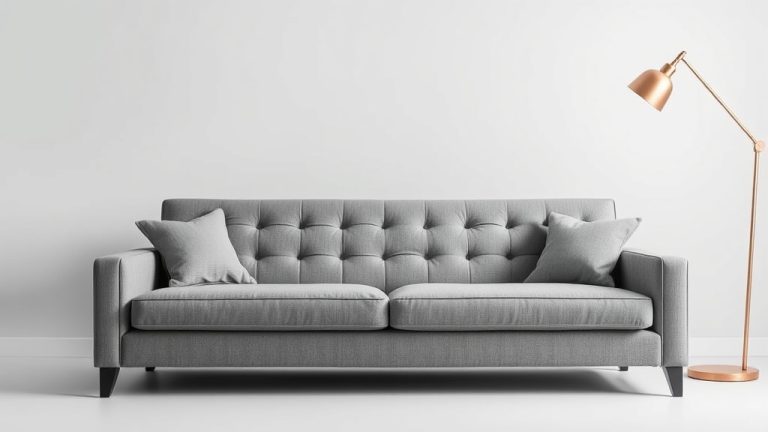
Arranging scatter cushions on your sofa can be surprisingly simple. The easiest way to start is by placing larger, firmer cushions at the back. Then, layer in smaller, softer cushions in front. This creates a cozy and inviting look for your living space.
Getting your cushions just right can transform your couch. Think about color, texture, and size. Mixing and matching these elements adds personality. It makes your sofa a comfy sanctuary.
- Start with large cushions against the sofa back.
- Add medium-sized cushions in front of those.
- Place small accent cushions or pillows at the very front.
- Consider symmetry or an asymmetrical, relaxed feel.
- Balance colors and textures for visual appeal.
Ready to make your sofa look amazing? Let’s walk through some easy steps to arrange your scatter cushions perfectly.
Mastering Sofa Cushion Arrangement for a Cozy Vibe
Arranging scatter cushions might seem like a small detail, but it makes a big difference. It’s your chance to add personality. It turns a plain sofa into a welcoming spot. Let’s break down how to get that perfect look for your living space.
The Foundation: Getting Your Base Layer Right
Think of your sofa as a canvas. The biggest, firmest cushions form your base. These are usually the ones you’ll lean against. They should be pushed back against the sofa’s frame. This creates a solid structure for the rest of your arrangement.
Choosing Your Base Cushions
For this foundational layer, opt for cushions that are not too squishy. You want something that holds its shape well. Square cushions around 20×20 inches are a popular choice. Lumbar pillows can also work here. Just make sure they’re supportive enough. For this foundational layer, opt for cushions that are not too squishy; consider back support cushions that hold their shape well.
Placement for Support and Style
Place these larger cushions evenly across the sofa back. If you have a sectional, place them on the main seating areas. Aim for a clean, straight line. This gives you a neat starting point. It also ensures comfortable back support when you sit.
Building Layers: Adding Depth and Interest
Once your base is set, it’s time to add more cushions. This is where you start introducing variety. Think about adding cushions of different sizes and textures. These layers add visual interest and make your sofa look more inviting.
The Mid-Layer: Medium-Sized Additions
Now, bring in medium-sized cushions. These can be slightly softer than your base cushions. They usually sit in front of the larger ones. You can place one or two of these, depending on your sofa size. A 16×16 inch cushion is a good medium size.
Balancing Symmetry and Asymmetry
You can go for a symmetrical look by placing matching medium cushions on either side of the sofa. Or, try an asymmetrical approach. Place one medium cushion slightly off-center. This can create a more relaxed, lived-in feel. Many stylists suggest this for a modern look (Apartment Therapy).
The Front Layer: Small Accent Cushions
Finally, add your smallest accent cushions. These are often decorative. They might have unique patterns, textures, or embellishments. Place these at the very front of the arrangement. They add a final touch of color and flair.
Don’t Overcrowd Your Sofa
While it’s tempting to add many cushions, remember function. You still need space to sit comfortably. Overcrowding can make your sofa look cluttered. Aim for a balanced look. You want it to be stylish and usable.
The Art of Mixing and Matching: Color and Texture
This is where your sofa’s personality truly shines. Mixing colors and textures makes your cushions more dynamic. It keeps the eye moving around the arrangement.
Playing with Color Palettes
Consider your room’s existing color scheme. You can pick cushions that match. Or, choose contrasting colors for a bolder statement. A common tip is to use a dominant color, a secondary color, and an accent color. This creates a cohesive feel (HGTV).
Monochromatic Magic
For a sophisticated look, try a monochromatic scheme. Use different shades and tints of the same color. Add varying textures to keep it interesting. This can make a small sofa feel larger.
Bold Contrast Creates Energy
If you love a bit of drama, mix bold colors. Think a deep navy with a bright mustard yellow. Just ensure there’s a common thread. This could be a similar pattern or a shared color in the cushion’s design.
Exploring Different Textures
Texture adds a tactile dimension to your sofa. Mix smooth fabrics like silk or satin with rougher ones like chunky knits or faux fur. Velvet cushions add a luxurious touch. Linen provides a more casual, relaxed feel.
| Size (approx.) | Typical Use | Texture Ideas |
|---|---|---|
| 20×20 inches | Base layer, back support | Firm cotton, linen blends |
| 16×16 inches | Mid-layer, visual interest | Velvet, textured weaves |
| 12×20 inches (Lumbar) | Back support, accent | Embroidery, solid colors |
| 10×18 inches | Front accent, pop of color | Faux fur, tassels, patterns |
Consider the Material Blend
Don’t forget the materials. A mix of natural fibers like cotton and linen is great. You can also incorporate synthetic materials. They often offer durability and easy care. Many design experts recommend a balanced blend for both style and practicality (Good Housekeeping).
Achieving the Perfect Arrangement: A Quick Checklist
Feeling a bit overwhelmed? Don’t worry. Follow these simple steps to arrange your cushions like a pro:
- Start with large, firm cushions at the back.
- Layer in medium-sized cushions in front of the base.
- Place small accent cushions at the very front.
- Mix up colors and textures for visual appeal.
- Ensure you have enough space to sit comfortably.
- Step back and adjust as needed for balance.
Conclusion
You now have the tools to transform your sofa into a cozy haven. Remember, the magic lies in layering. Start with your sturdy base cushions, then add medium and accent pieces. Don’t be afraid to play with colors and textures to express your style. The key is balance – both visually and for comfort. So go ahead, grab your cushions, and create a space you’ll love to relax in. Your perfect sofa arrangement awaits your personal touch!
Frequently Asked Questions
How many cushions are too many for a sofa?
It’s best to avoid overcrowding your sofa. While there’s no strict rule, aim for a balance between style and usability. You should still have plenty of room to sit comfortably. Usually, three to five cushions in total is a good starting point for most sofas.
Should scatter cushions match the sofa?
Not necessarily! While matching cushions can look sleek, they can also be a bit predictable. Consider cushions that complement your sofa rather than match it perfectly. Introducing a few accent colors or complementary patterns can add more personality and visual interest.
How do I make my cushions look plush and not flat?
To achieve a plush look, ensure your cushion inserts are the right size for your covers. Often, using an insert that’s one or two inches larger than the cover can make it look fuller. Also, regularly fluff and karate-chop your cushions to keep them looking their best.
Can I mix different shapes of cushions?
Absolutely! Mixing cushion shapes adds dimension and visual appeal. Combine squares, rectangles, and even round cushions. Place larger, flatter shapes in the back and smaller, more decorative ones towards the front. This layering technique works well with varied shapes.
How do I arrange cushions on a corner sofa?
For a corner sofa, focus on treating each seating section similarly. You can create a symmetrical look by placing cushions on each corner. Or, adopt an asymmetrical style by having a more complex arrangement on one side. Ensure the cushions don’t obstruct the corner seating area itself.