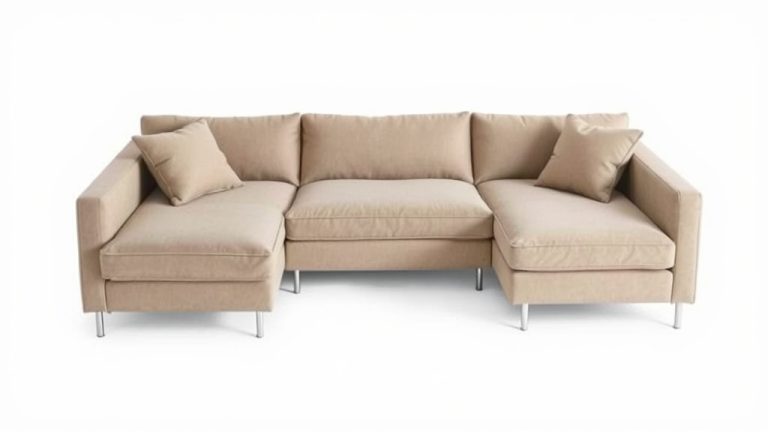
Arrange Sofa Loveseat and Chair for Perfect Living Room Flow
Arranging your sofa, loveseat, and chair effectively can **transform your living room’s flow and feel**. The best way to arrange them is to create a **cozy conversational area** with seating pieces facing each other, leaving enough space for movement. This setup encourages interaction and makes your room feel more welcoming.
Many homeowners struggle with making their furniture feel intentional. We found that placing these key pieces thoughtfully considers both **functionality and aesthetics**. It’s about making your space work for you, whether for quiet nights in or lively gatherings. Getting the arrangement right can **prevent a cramped or awkward feel**.
- Create a central conversation zone.
- Ensure easy pathways between furniture.
- Balance seating sizes and shapes.
- Consider the focal point of your room.
- Don’t push all furniture against the walls.
Let’s walk through some smart strategies to arrange your sofa, loveseat, and chair to make your living room both stylish and functional.
Arranging Your Living Room Seating: Sofa, Loveseat, and Chair
Getting your sofa, loveseat, and chair to work together is about more than just fitting them in. It’s about creating a space where people want to gather. We found that the best arrangements make **conversation easy and movement smooth**. Think of your living room as a stage for your daily life.
Defining Your Room’s Purpose
Before you push furniture around, consider how you use your living room. Is it for movie nights with the family? Hosting friends for game nights? Or perhaps a quiet spot to read a book?
Your furniture arrangement should support these activities. A good setup makes a room feel **larger and more inviting**. It prevents that awkward feeling of bumping into things.
Creating the Conversation Hub
The heart of a well-arranged living room is often a central conversation area. This is where your main seating pieces should ideally face each other. This setup naturally encourages guests to talk and interact.
We found that placing your sofa and loveseat opposite or at an angle to each other works wonderfully. Your chair can then be angled to complete the circle. This creates a **cozy and connected feel**.
Placement Strategies
Where you place your sofa, loveseat, and chair matters. Don’t just push them against the walls. Pulling furniture away from the walls can actually make a room feel **more spacious and dynamic**.
Consider creating zones within your living room. Your seating area is one zone. Perhaps another is a reading nook or a space for a console table. This makes the room feel **organized and purposeful**.
The Anchor Piece: Your Sofa
Your sofa is usually the largest piece of seating. It often acts as the anchor for your room. Place it first, considering its relation to the focal point of your room.
This focal point could be a fireplace, a window with a view, or your television. The sofa should ideally be positioned to make viewing this focal point comfortable.
Adding the Loveseat and Chair
Once your sofa is placed, position your loveseat and chair. They should face your sofa or be angled to create a balanced conversational grouping. Avoid having all seating pieces face the same direction.
We found that breaking up the straight lines makes the room feel **more relaxed and less formal**. The chair often adds a touch of individual style.
Traffic Flow: The Unsung Hero
It’s vital to ensure you can walk around your furniture easily. This is what we call traffic flow. Guests shouldn’t have to squeeze past pieces to get from one side of the room to another.
We recommend at least 18-24 inches of clear space for walkways. This allows people to pass comfortably. Studies on interior design often highlight this as a **key element for functionality** (National Association of Home Builders).
Imagine serving drinks or snacks. You need space to move without knocking anything over. Good traffic flow is **essential for a welcoming atmosphere**.
Balancing Seating and Space
Your furniture arrangement should feel balanced. This means considering the visual weight and size of each piece. A huge sofa paired with two tiny chairs might look off-kilter.
Visual Weight and Scale
Think about the bulk of each item. A large sofa often needs to be balanced by pieces that have a similar presence. This doesn’t mean they have to be the same size, but they should **complement each other visually**.
For example, a substantial sofa might pair well with a loveseat and a chair that have a bit more substance, or perhaps a pair of chairs. We found that mixing shapes can also add interest.
Utilizing Space Effectively
Don’t let awkward gaps dictate your layout. Sometimes, a small rug can define the seating area and tie the pieces together. You can also use accent tables between pieces.
These tables serve a purpose for drinks or lamps. They also help to **bridge the space** between your sofa, loveseat, and chair. They make the grouping feel intentional.
Considering the Focal Point
Every room needs a focal point – a star of the show. This is what naturally draws your eye when you enter the space. It guides your furniture arrangement.
Common focal points include a fireplace, a large window, or a piece of art. Your seating should be arranged so that most pieces have a good view of this focal point. We found this creates a **more engaging and cohesive room**.
If you have a TV, it’s often the focal point. Position your sofa, loveseat, and chair so that everyone can see the screen comfortably. Ensure the distance is appropriate for viewing.
Common Layout Mistakes to Avoid
Even with good intentions, it’s easy to fall into common arrangement traps. Being aware of these can save you a lot of frustration.
The “All Against the Wall” Syndrome
Pushing all your furniture against the perimeter of the room is a common mistake. This often leaves a large, empty space in the middle. It can make the room feel like a **waiting room** rather than a cozy living area.
We found that creating an intimate seating cluster in the center of the room, even in smaller spaces, can be much more effective. It defines the purpose of that area.
Blocking Pathways
Another common issue is placing furniture in a way that blocks natural walkways. This makes the room feel cramped and **difficult to navigate**. It’s often an oversight when focusing only on the seating group.
Ignoring Scale and Proportion
Using furniture that is too large or too small for the space can throw off the entire balance. A giant sectional might overwhelm a small room, while tiny pieces can get lost in a large one. **Proportion is key**.
Arrangement Checklist for Your Space
Ready to put these tips into action? Here’s a quick checklist to guide you:
- Identify your room’s main focal point.
- Arrange seating pieces to face each other.
- Ensure at least 18-24 inches for walkways.
- Pull furniture away from the walls.
- Balance the visual weight of your seating.
- Consider adding accent tables to connect pieces.
Conclusion
Arranging your sofa, loveseat, and chair is about creating a welcoming space. You’ve learned how to define your room’s purpose and build a comfortable conversation hub. Remember to balance your seating’s visual weight and always prioritize smooth traffic flow. Don’t be afraid to pull furniture away from the walls to make the room feel more dynamic. Now it’s time to put these strategies into practice. Start by mapping out your room and trying a new layout this weekend!
Frequently Asked Questions
What if my living room is small? How can I arrange sofa, loveseat, and chair?
Even in small rooms, you can create a conversation area. Try angling your loveseat or chair towards the sofa. Pulling furniture slightly away from the walls can make the space feel bigger, not smaller. A small rug can also help define the seating zone.
Should my sofa and loveseat always face each other?
Not necessarily. While facing each other is ideal for conversation, you can also place them at right angles or have them partially face each other. Your chair can then complete the grouping. The goal is to make interaction easy and comfortable for everyone.
How do I handle a TV as the focal point in my arrangement?
If your TV is the focal point, arrange your sofa, loveseat, and chair so everyone has a clear, comfortable view. Position your sofa facing the TV, then place the loveseat and chair at angles or opposite it. Ensure the distance is appropriate for viewing without straining your neck.
What’s the best way to connect disparate pieces of furniture visually?
Accent tables are your best friend here. Placing small end tables or a coffee table between your sofa, loveseat, and chair helps tie them together. They also offer practical spots for lamps and drinks. A unifying rug under the seating area is another great option.
Do I really need to pull furniture away from the walls?
Yes, you should consider it. Pushing all furniture against the walls can make a room feel like a waiting area and leave unused dead space in the center. Pulling pieces out even a few inches can make the room feel more open, inviting, and intentionally designed.