How to Build a Custom Sofa: A Step-by-Step DIY Guide
Building a custom sofa comes down to six basic steps: plan your design, pick your frame, add springs and padding, cut and sew your covers, assemble the frame, and upholster it all together. The easiest way to start is with a simple, straight-line design and solid lumber for the frame. With the right tools and a solid plan, you can build one over a few weekends.
Why build instead of buy? For one, you get a sofa that actually fits your space and your style. You also skip the markup that comes with store-bought furniture. Many experts say a well-built DIY sofa can last just as long as one from a showroom, especially if you use quality joinery and high-density foam. We researched build guides and woodworker forums, and we found that most first-timers pull it off for far less than they expected.
Here’s the short version:
- Sketch your design and take careful measurements first.
- Use solid wood like pine or hardwood for a sturdy frame.
- Choose foam density and fabric based on how much you’ll use the sofa.
- Cut, sand, and assemble the frame before adding padding.
- Staple or sew your upholstery for a clean, finished look.
Below, we walk you through each step in plain English, from picking materials to putting on the final fabric. Grab your tape measure, and let’s get building.
Building Your Own Custom Sofa at Home
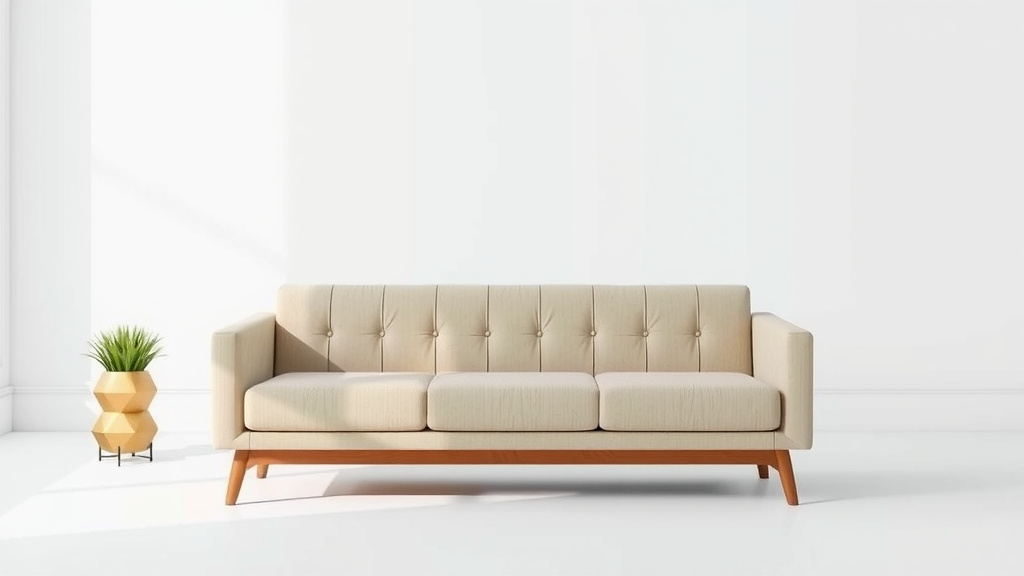
Building a custom sofa at home starts with a solid plan and a simple design. Pick a straight, boxy style for your first build. You can always get fancy on sofa number two.
Step 1: Plan Your Design and Take Measurements
Start with your space, not the sofa. Measure the room, then measure doorways and hallways. There’s nothing fun about building a beautiful couch that can’t make it past the front door.
We found that most DIY plans fall apart when people skip the sketch stage. Draw your sofa from the front and side. Note the length, depth, and height you want.
- Standard sofa length: 72 to 96 inches.
- Seat depth: 21 to 24 inches works for most adults.
- Seat height: 17 to 19 inches from the floor.
- Leave 18 inches between the sofa and your coffee table.
Write every number down. Trust us, your future self will thank you.
Step 2: Choose Your Frame Materials
Your frame is the backbone of the whole build. Go with solid pine, oak, or maple. Skip particleboard and MDF; they sag and split over time.
Lumber and Plywood Basics
Use 2x4s or 2x6s for the base and 1x boards for arms and backs. A sheet of 3/4-inch plywood works well for side panels. Many woodworkers suggest kiln-dried lumber because it resists warping (USDA Forest Products Laboratory).
Joinery That Lasts
Screws and wood glue beat nails every time. Add corner brackets at stress points. Pocket-hole joints are easy for beginners and strong enough for daily use.
Step 3: Pick Your Foam, Springs, and Padding
Here’s where comfort gets decided. High-density foam (around 1.8 pounds per cubic foot) holds its shape for years. Cheaper foam flattens fast, and nobody enjoys sitting on a pancake.
Add a layer of 1-inch dacron wrap over the foam to soften sharp edges. For the base, many builders use elastic webbing instead of springs. It’s simpler and still comfy. If you want that classic bounce, coil springs work but take more skill.
Step 4: Cut, Sand, and Assemble the Frame
Cut all your boards first, then sand every piece. Sanding after assembly is miserable. Ask us how we know.
Build the base platform first, then attach the arms, then the back. Check for square at each step by measuring corner to corner. Glue every joint, then screw it. Wipe off extra glue right away.
Let the glue dry fully before you move on. Most wood glues need 24 hours for full strength (Gorilla and Titebond manufacturer guidelines).
Step 5: Cut and Prepare Your Upholstery Fabric
Buy more fabric than you think you need. We found that most first-timers run short because they forget the wrap-around and seam allowance. A standard sofa usually takes 12 to 16 yards.
Choosing Fabric That Survives Real Life
Got kids or pets? Pick a tight-weave fabric with a high rub count. Canvas, denim, and outdoor fabrics are forgiving. Delicate linen looks lovely until someone spills grape juice.
Sewing Basics for Non-Sewists
You don’t need couture skills. Straight seams on a heavy-duty machine will get you there. Sew a test cover from cheap muslin first. Fit it, fix the mistakes, then cut your good fabric.
Step 6: Upholster and Finish Your Sofa
Now the fun part. Wrap foam in dacron, then staple it to the frame with a heavy-duty staple gun. Pull the fabric taut but not tight enough to warp the foam.
Work from the center out on each panel. Fold corners like you’re wrapping a gift. A dust cover on the bottom hides staples and gives it a finished look.
Tools and Materials Checklist
Here’s a quick checklist before you start cutting wood.
- Tape measure, speed square, and pencil.
- Circular saw or miter saw.
- Drill, screws, wood glue, and corner brackets.
- Heavy-duty staple gun and staples.
- High-density foam, dacron batting, and fabric.
- Sandpaper and a sewing machine (or fabric glue for no-sew builds).
How Much Does a DIY Sofa Cost?
Costs vary, but here’s a rough breakdown we pieced together from build guides and lumber prices.
| Item | Typical Cost |
|---|---|
| Lumber and plywood | $100–$200 |
| High-density foam | $100–$250 |
| Upholstery fabric (15 yards) | $100–$300 |
| Webbing, staples, glue, misc. | $50–$100 |
| Total | $350–$850 |
Compare that to $1,500 or more for a quality store-bought sofa. The savings are real, especially if you already own some tools.
Common Mistakes to Avoid
Most DIY sofa problems come from a handful of easy-to-avoid slip-ups.
- Skipping the doorway measurement (the classic rookie move).
- Using soft, low-density foam that flattens in months.
- Underestimating fabric yardage.
- Skipping the glue and relying on screws alone.
- Not testing your cover in cheap fabric first.
- Rushing the glue drying time.
Slow down at each step, and your sofa will reward you for years.
Conclusion
Building your own sofa is one of those projects that sounds harder than it is. With a simple design, solid lumber, and high-density foam, you can create a couch that fits your room and your budget. The biggest wins come from measuring twice, gluing every joint, and testing your cover in cheap fabric first. Our research into DIY build guides showed us that first-timers who take their time end up with furniture they’re genuinely proud of. And at $350 to $850, the savings speak for themselves. So here’s your next move: grab a tape measure, sketch your design this week, and order your lumber. Your perfect sofa is a few weekends away.
Frequently Asked Questions
Is it cheaper to build a sofa than buy one?
Usually, yes. Most DIY builds land between $350 and $850, while comparable store-bought sofas often start around $1,500. Your savings grow even more if you already own the basic tools. Just budget honestly for fabric, since it’s the line item people most often underestimate.
Do I need a sewing machine to upholster a DIY sofa?
Not necessarily. If your design uses simple, straight panels, you can attach fabric with a staple gun and skip sewing entirely. A sewing machine helps with fitted cushions and slipcovers, though. Many builders start with stapled fabric and add sewn covers later.
What kind of foam should I use for sofa cushions?
Look for high-density foam rated around 1.8 pounds per cubic foot or higher. We found that this density holds its shape for years of daily use. Pair it with a dacron wrap for softer edges. Avoid bargain foam from craft stores, which tends to flatten within months.
How long does it take to build a custom sofa?
For most first-timers, plan on two to three weekends. Cutting and assembling the frame takes one or two days, then glue needs 24 hours to cure. Sewing and upholstery add another weekend. Rushing any step usually means redoing it later.
Can a beginner build a sofa without woodworking experience?
Yes, if you keep the design simple. A straight, boxy sofa relies mostly on straight cuts, screws, and glue, which are beginner-friendly skills. Practice your cuts on scrap wood first, and follow a measured plan. Plenty of first-time builders have pulled this off with basic tools and patience.