2 Seat vs 3 Seat Sofa: Size, Comfort & Space Comparison
When you’re shopping for a new sofa, you’re essentially making a decision that’ll affect how you relax, entertain, and spend your evenings at home. But here’s the thing—it’s not just about picking something that looks nice. You need to think carefully about whether a 2 seat or 3 seat sofa makes sense for your lifestyle, your living room, and your budget. I’m going to walk you through everything you need to know to make the right choice.
What Are 2-Seat and 3-Seat Sofas?
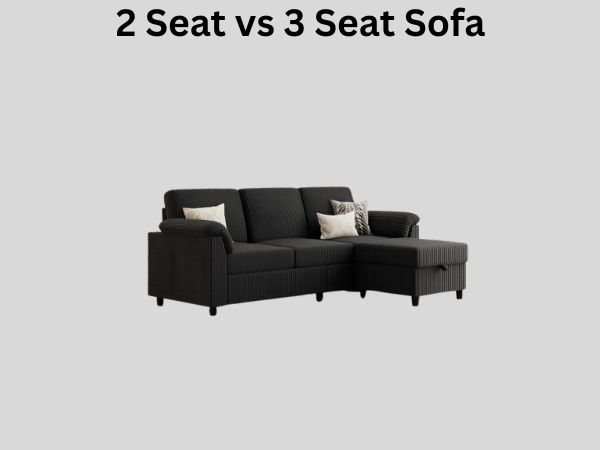
Let me start with the basics. A 2-seat sofa, also known as a loveseat, is designed to comfortably fit two adults. On the flip side, a 3-seat sofa (or standard sofa) is meant to accommodate three people. But here’s where it gets interesting—the number of seats doesn’t always tell the whole story about comfort or functionality.
The Anatomy of a 2-Seat Sofa
A typical 2-seat sofa measures somewhere between 55 to 75 inches in width. These pieces are more intimate and compact, perfect if you’re working with limited square footage. When you sit on a 2-seat sofa, you get more personal space per person compared to a 3-seat option. Think of it like having a more spacious seat on an airplane—you’re not rubbing elbows with your neighbor.
The Anatomy of a 3-Seat Sofa
A 3-seat sofa typically ranges from 75 to 100 inches in width, sometimes even wider. These are the workhorses of living room furniture. They offer more seating capacity and tend to be the centerpiece of a living room. The middle cushion can sometimes feel a bit cozier or less comfortable than the end seats, depending on the sofa’s construction quality.
Space and Room Size Considerations
Now, let’s talk real estate. Your living room’s dimensions are probably the biggest factor in this decision. I can’t tell you how many people buy a sofa without measuring their space properly, and they end up with buyer’s remorse.
Measuring Your Living Room
Before you even look at sofas, grab a measuring tape. Measure the wall where you plan to place your sofa, and then think about the overall layout. You’ll want at least 18 to 24 inches of walking space from the sofa to the opposite wall or furniture. This isn’t just about aesthetics—it’s about being able to move around comfortably without feeling cramped.
For Smaller Spaces
If your living room is on the cozier side—and I’m talking about apartments, studios, or smaller homes—a 2-seat sofa is often your best bet. It’ll give you that seating functionality without dominating the room. You can still fit a coffee table, side table, and maybe a cozy chair without the space feeling like a furniture showroom.
For Larger Rooms
Got a spacious living room? A 3-seat sofa can really fill the space and create that inviting focal point people crave. It balances better proportionally with larger rooms and doesn’t get swallowed up by all that empty wall space.
Hallway and Doorway Access
Here’s something people often overlook: can you actually get the sofa into your space? A 3-seat sofa might be too wide to navigate through narrow hallways or doorways. If you live in an older building or have a tricky layout, measure your doorways and hallways too. This is a practical concern that could completely change your decision.
Comfort and Seating Experience
Comfort is subjective, but there are some real differences between 2-seat and 3-seat sofas when it comes to how you actually experience sitting on them.
Personal Space and Shoulder Room
When you sit on a 2-seat sofa, each person gets more width per seat. You’re not competing for armrest space, and you can really settle in without feeling like you’re invading someone else’s territory. If personal space matters to you—and honestly, doesn’t it after a long day?—the 2-seat sofa wins points here.
For Couples and Close Companions
The cozier nature of a loveseat makes it ideal if you’re relaxing with a partner. Many couples actually prefer the 2-seat option because it encourages togetherness without the awkwardness of someone being in the middle.
The Middle Seat Dilemma
Let’s be real about the 3-seat sofa. That middle seat? It can be a bit of a lottery ticket. Depending on the construction, it might have less cushioning or less back support. Some high-end sofas handle this beautifully, while cheaper options make the middle feel like you’re perched on an island. If you frequently have three people sitting on your sofa, this is worth considering carefully when you test it out in person.
Lounging and Stretching Out
A 2-seat sofa is generally better if you like to stretch out and get comfortable. You’ve got less width overall, but per person, you have more flexibility to curl up, put your feet up, or shift positions without bothering anyone else. The 3-seat sofa is better for accommodating multiple people simultaneously, but less ideal for solo lounging marathons.
Price Differences and Budget Impact
Let’s talk money because your budget probably matters just as much as comfort and space.
Entry-Level and Budget Sofas
Generally speaking, a 2-seat sofa costs less than a 3-seat sofa from the same brand and collection. You’re using less material, less filling, and fewer structural components. Budget-friendly 2-seat sofas can start around $300 to $600, while 3-seat options begin closer to $500 to $1,000.
Mid-Range and Premium Options
Once you move into mid-range territory, the price difference becomes more pronounced. A solid mid-range 2-seat sofa might run you $800 to $1,500, while a comparable 3-seat sofa could be $1,200 to $2,500. Premium and designer sofas follow the same pattern—the 3-seat will cost noticeably more.
Cost Per Seat Analysis
Here’s an interesting way to think about it: calculate the cost per seat. If a 2-seat sofa costs $800 and a 3-seat costs $1,200, you’re paying $400 per seat in the first case and $400 per seat in the second. Sometimes they’re nearly equivalent in value; sometimes the 3-seat is actually a better deal. Run the numbers before you make assumptions.
Long-Term Value and Investment
A sofa is typically a 5 to 10-year investment, sometimes longer. Don’t just look at the upfront cost. Consider how often you’ll use it, how many people will use it, and whether it matches your long-term lifestyle plans. A cheaper sofa you’ll hate sitting on is no bargain.
Lifestyle and Usage Patterns
Your actual living situation should heavily influence this decision. Let me break down different scenarios.
For Small Households and Couples
If you’re living alone or as a couple without kids, a 2-seat sofa often makes perfect sense. You’ll use the space more efficiently, enjoy better personal comfort, and don’t need the extra seating capacity that a 3-seat provides.
For Families with Children
Families tend to benefit more from a 3-seat sofa. Kids like to pile on, cuddle up during movie nights, and spread out with snacks and blankets. Plus, if you have friends over when your kids are present, that extra seat becomes genuinely useful.
Durability Concerns with Kids
Fair warning: if you have young children, you’re probably going to want a fabric that’s easy to clean and durable. This applies to both 2-seat and 3-seat options, but it’s worth mentioning because sofas with kids take a beating. Performance fabrics and darker colors are your friends here.
For Frequent Entertainers
Do you love having people over? A 3-seat sofa gives you more seating without needing additional furniture. You can accommodate more guests comfortably, which might be the deciding factor if entertaining is a big part of your lifestyle.
For Remote Workers and Home Bodies
If you’re spending significant time on your sofa—working, relaxing, streaming shows—comfort becomes paramount. A 2-seat sofa with premium cushioning might give you better comfort per dollar spent than a cheaper 3-seat option.
Design and Aesthetic Considerations
Your sofa isn’t just functional; it’s a statement piece in your room. Design matters.
Visual Balance in Your Room
A 3-seat sofa makes a stronger visual statement. It can anchor a room and create that designed, intentional look. A 2-seat sofa is more subtle and allows other furniture pieces to share the spotlight. Think about your overall design vision.
Color and Pattern Options
Both sizes come in virtually every color and pattern you can imagine. However, bold patterns and light colors show dirt more easily on larger sofas. If you’re going with statement-making upholstery, a 2-seat might be easier to maintain visually.
Style Versatility
Modern living rooms often benefit from smaller, more flexible furniture arrangements. A 2-seat sofa paired with a chair or two can actually give you more design flexibility than one large 3-seat sofa. You can rearrange and experiment more easily.
Durability and Longevity
How long will your sofa actually last? This depends partly on the size you choose.
Frame and Structure Quality
A well-made 2-seat sofa with solid wood frame construction should last 7 to 10 years, sometimes longer. A 3-seat sofa is structurally more stressed because it’s supporting more weight and seating pressure. This means the frame needs to be even more robust to last the same amount of time. A cheap 3-seat sofa might not hold up as well as a cheap 2-seat.
Cushion Degradation Over Time
Foam and fill materials naturally break down with use. Since a 3-seat sofa distributes usage across more cushions, individual cushions might maintain their shape longer. However, if one cushion fails, you’ve lost more seating capacity on a 3-seat than on a 2-seat.
Upholstery Wear Patterns
High-traffic areas show wear first. On a 3-seat sofa, the end seats and armrests get used more consistently. On a 2-seat sofa, wear patterns tend to be more even since there are fewer potential positions and people have less choice in seating.
Making Your Final Decision
So how do you actually choose? I recommend thinking through this checklist:
- Measure your space accurately and account for traffic flow
- Consider your current household composition and anticipated changes
- Think about how you actually use furniture—do you lounge alone or host frequently?
- Set a realistic budget and compare cost per seat
- Test both sizes in person if possible, sitting on them for at least a few minutes
- Think about fabric and maintenance requirements
- Consider your home’s style and whether size impacts the aesthetics
- Don’t ignore practical concerns like hallway width and doorway dimensions
Conclusion
The choice between a 2-seat and 3-seat sofa isn’t about finding the objectively “best” option—it’s about finding what works best for your specific situation. A 2-seat sofa excels in smaller spaces, for couples or individuals, and for those who prioritize personal comfort and design flexibility. It’s also typically more affordable and easier to position in tight quarters. A 3-seat sofa shines when you have the space to accommodate it, need extra seating capacity for families or frequent entertaining, and want a statement piece that anchors your living room. Both can be comfortable, durable, and stylish. The key is honest self-assessment about your space, your needs, and how you actually live. Take your time with this decision, measure carefully, sit on display models, and don’t rush. Your sofa will be part of your daily life for years to come, so it’s worth getting right. Whatever you choose, make sure it brings you comfort and joy—that’s what really matters.
Frequently Asked Questions
What’s the average width difference between a 2-seat and 3-seat sofa?
A 2-seat sofa typically measures between 55 to 75 inches in width, while a 3-seat sofa ranges from 75 to 100 inches or more. This means you’re usually looking at a 20 to 35-inch difference. The exact difference varies by brand and style, so always check specific product dimensions before purchasing. Some compact 3-seat sofas are only slightly wider than larger 2-seat options, so individual measurements matter more than general categories.
Can a 2-seat sofa comfortably fit three people for short periods?
Technically, yes—three people can squeeze onto a 2-seat sofa for a short time, like during movie night. However, comfort becomes a significant issue. You’ll be crowded, with limited personal space and potential armrest conflicts. If you know you’ll regularly have three people sitting together, a 3-seat sofa is the more practical choice. Reserve the 2-seat compression for occasional, intentional closeness rather than standard seating arrangements.
Which sofa type is better for small apartments?
A 2-seat sofa is generally the better choice for small apartments because it takes up less floor space, allows for better traffic flow, and leaves room for additional furniture pieces without making the space feel overwhelming. It’s also easier to navigate through doorways and hallways in typical apartment layouts. That said, if your apartment has an unusually large living area or you rarely have guests, a compact 3-seat could still work if you’re careful about proportions.
Do 3-seat sofas hold their value better when selling a home?
Not necessarily. A sofa’s resale value depends more on brand, condition, style, and upholstery than on whether it’s a 2-seat or 3-seat model. A well-maintained 2-seat sofa from a quality brand might hold its value better than a beat-up 3-seat. Additionally, when selling your home, many buyers actually prefer leaving the existing furniture out of the negotiation, so the sofa’s size becomes somewhat m