How to Buy a Sofa Slipcover That Fits Perfectly in 2026
The easiest way to buy a sofa slipcover is to measure your sofa first, then pick a slipcover that matches its size, shape, and fabric needs. That’s it. Get those three things right, and you’ll skip the most common mistakes people make.
Here’s the thing: not all slipcovers fit all sofas. We researched the most popular options and found that fit matters more than price. A cheap cover that actually fits beats an expensive one that sags like a tired beach towel.
Want the short version before we get into the details? Here you go:
- Measure your sofa — width, depth, height, and armrests.
- Choose between stretch, woven, or custom-fit styles.
- Check the fabric for pets, kids, and everyday spills.
- Read reviews about washing — some covers shrink like cheap sweaters.
- Buy from sellers with easy returns, just in case.
Below, we break down everything you need to know about buying a sofa slipcover, step by step, so you can order with confidence instead of guesswork.
Buying a Sofa Slipcover That Actually Fits
Fit is everything. A slipcover that matches your sofa’s dimensions and shape will look tailored, not tossed on. We found that most returns happen because someone skipped the measuring tape.
Think of it like buying a jacket. You wouldn’t grab one off the rack without knowing your size, right? Your sofa deserves the same courtesy.
How to Measure Your Sofa Correctly
Grab a tape measure and a notepad. Write down four numbers before you shop:
- Width — from the outer edge of one armrest to the other.
- Depth — from the front of the seat to the backrest. If the depth measurement feels ambiguous, our guide to measuring seat depth on a sofa clears it up.
- Height — from the floor to the top of the back.
- Armrests — their width, height, and style (square, rolled, or curved).
Also measure the distance from the floor to the bottom of your sofa skirt. Some covers need that space for tucking. If you’re unsure, snap a few photos on your phone. Sellers can help match a cover to your sofa’s shape if you ask.
Match the Cover to Your Sofa Style
T-Sofas and Sectionals
Sectionals and sofas with attached cushions need covers with separate cushion covers. A one-piece stretch cover will fight you every step of the way. Trust us on this one.
Recliners and Odd Shapes
Recliners have moving parts. Look for covers made specifically for recliners, with openings for levers and footrests. Regular covers will bunch up the moment you kick back.
Picking the Right Slipcover Material
Fabric decides how your cover feels, wears, and washes. Here’s a quick comparison to help you choose.
| Material | Best For | Care Level | Watch Out For |
|---|---|---|---|
| Stretch (spandex blend) | Quick makeovers, budget buys | Easy, machine washable | Can slide if untucked |
| Cotton or cotton blend | Classic look, everyday comfort | Machine wash cold | May shrink if dried hot |
| Polyester microfiber | Pets, spills, heavy use | Very easy to clean | Can look shiny up close |
| Canvas or denim | Kids, rough households | Durable, washable | Stiff until broken in |
| Custom-tailored fabric | Perfect fit, long-term use | Depends on fabric | Higher price, longer wait |
Many experts suggest machine-washable fabrics for anyone with pets or young kids (Mayo Clinic also notes that frequent washing of soft surfaces helps reduce allergens at home). If someone in your house has allergies, a washable cover isn’t just convenient — it’s smart.
Stretch vs. Woven vs. Custom Fit
Stretch Covers
These are the budget-friendly workhorses. They pull on like a fitted sheet and cost less than takeout for two. The tradeoff? They rarely look high-end and can shift with daily use.
Woven Covers
Woven covers drape more naturally and breathe better. They cost a bit more but look closer to real upholstery. We found they’re the sweet spot for most living rooms.
Custom-Fit Covers
Custom covers are the tailored suit of the slipcover world. Expect to pay more and wait longer, but the fit is unmatched. Many companies now let you enter exact measurements online.
What to Check Before You Click Buy
Product listings hide important details in plain sight. Read the full description, not just the photos. Here’s your pre-purchase checklist:
- Confirm the cover’s size range includes your sofa’s measurements.
- Check if cushion covers are included or sold separately.
- Read the washing instructions — hot dryer settings cause shrinkage.
- Look for reviews with photos from real buyers.
- Confirm the return window and who pays return shipping.
- Check color swatches in different lighting if the site offers them.
Reading Reviews the Smart Way
Don’t trust a cover with nothing but five-star ratings and no photos. Look for reviews that mention your sofa type. A cover that fits a boxy loveseat may fail on a curved-arm sofa.
We found the most helpful reviews talk about washing results. Did the fabric hold its color? Did it shrink a size? Those details matter more than “looks great!”
Setting a Realistic Budget
Stretch one-piece covers often run $25 to $50. Mid-range woven covers typically cost $60 to $120. Custom covers can climb past $200, sometimes much higher for sectionals.
Here’s our honest take: don’t buy the cheapest option for a sofa you use daily. A $30 cover that sags every week gets old fast. Spend a little more on something you’ll actually keep.
Where to Buy (and Where to Be Careful)
Big online retailers offer easy returns, which is why we recommend starting there. Marketplace sellers can be great, but check shipping times and return policies first. Some overseas sellers take weeks to deliver and don’t accept returns.
Local upholstery shops sometimes sell ready-made covers too. Bonus: you can feel the fabric before buying.
Quick Tips for a Better Fit on Arrival
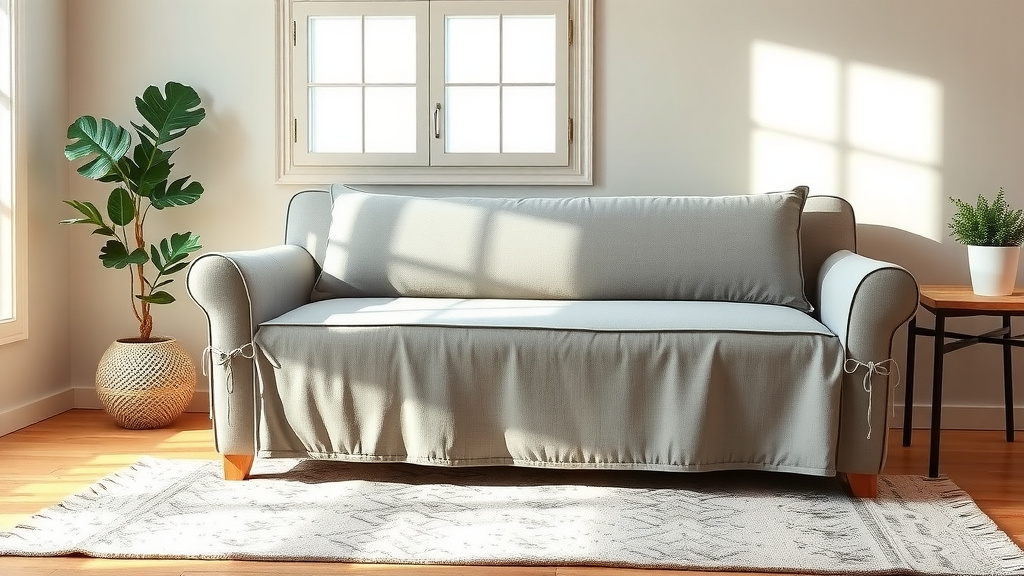
When your cover shows up, don’t fight it. Most stretch covers go on easier if you start from the top and work down, tucking excess fabric into the crevices. Many pros use foam tubes or pool noodles tucked into seams to keep everything snug. Our full guide to putting on a sofa cover walks through draping, tucking, and securing every section.
Wash the cover once before heavy use. Some fabrics soften and settle after the first cycle. Just follow the care label — cold water and air drying are usually safest.
And that’s the whole process. Measure carefully, pick the right material, and buy from a seller who’ll take it back if it doesn’t work out. Your sofa (and your wallet) will thank you.
Conclusion
Buying a sofa slipcover doesn’t have to feel like a gamble. If you take four measurements before shopping, match the cover style to your sofa’s shape, and pick a fabric that fits your household, you’ll avoid the mistakes that send most covers back. We found that the best buyers read reviews with real photos, check return policies first, and spend a little more when the sofa gets daily use. A slipcover can make an old couch look brand new — if you treat the purchase like tailoring, not a grab bag. So grab that tape measure today and write down your numbers. It takes five minutes and saves you weeks of frustration.
Frequently Asked Questions
Can I put a slipcover on a leather sofa?
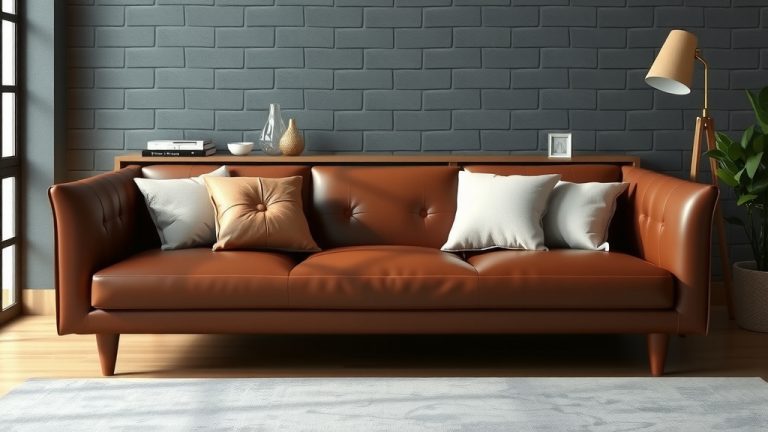
Yes, but you’ll need a stretch-style cover with non-slip backing, since leather is slick. Tuck the fabric well into the crevices and consider foam tubes to hold it in place. Some buyers also run a thin anti-slip mat between the leather and the cover for extra grip.
Do slipcovers protect a new couch?
They do a solid job shielding fabric from spills, pet hair, and sun fading. They won’t stop damage from sharp claws or heavy friction underneath, though. If protection is your main goal, choose a tightly woven fabric and wash it regularly so dirt doesn’t grind into the upholstery beneath.
How long does a slipcover usually last?
A well-made cover that’s washed gently can last three to five years with everyday use. Cheap stretch covers often lose elasticity within a year or two. Air drying instead of hot dryer cycles is the single biggest thing you can do to extend the life of yours.
Should I buy two slipcovers so I always have a clean one?
We found it’s a smart move if your sofa gets daily abuse from kids or pets. Having a spare means you can swap covers the moment one gets stained, and you’re never caught with a bare couch on wash day. Just make sure the second one is the same size range.
Can I return a slipcover if it doesn’t fit?
Most major online retailers accept returns within 30 days, but policies vary a lot. Some sellers charge return shipping or refuse opened packages, so read the fine print before you order. If a listing doesn’t clearly state its return window, we recommend messaging the seller first and saving the reply.