How to Choose a Sectional Sofa for Your Family Room
Choosing a sectional sofa for your family room starts with one thing: measuring your space. Get the room’s dimensions first, then pick a sectional shape that fits your layout. From there, focus on durable fabric, comfy cushions, and a size that leaves room to walk around. If you’re unsure what size sofa to buy, our sizing guide walks through the measuring math step by step.
Sound simple? It is, once you know what to look for. We researched what interior designers and real families recommend, and we found that most mistakes happen when people skip the measuring step or pick style over stain-resistant fabric. Kids, pets, movie nights — your sectional has to survive all of it. And with options like L-shaped and U-shaped designs, reversible chaises, and modular pieces, the choices can feel overwhelming fast.
TL;DR — Quick tips for picking a sectional:
- Measure your room and doorways before you shop.
- Pick an L-shape for corners or a U-shape for big, open rooms.
- Choose performance fabrics like microfiber if you have kids or pets.
- Test cushion depth and firmness — comfort beats looks every time.
- Leave at least 30 inches of walkway space around the sofa.
Below, we walk you through every step of picking the right sectional — from layout and sizing to fabric and budget. Let’s find the one your whole family will fight over (in a good way).
Picking the Right Sectional Sofa for Your Family Room
The right sectional matches your room’s shape first, then your style. Get the layout right, and everything else — fabric, cushions, color — falls into place. Get it wrong, and you’ll be squeezing past a giant sofa every time you walk to the kitchen. We’ll walk through each decision step by step.
Which Sectional Shape Fits Your Room?
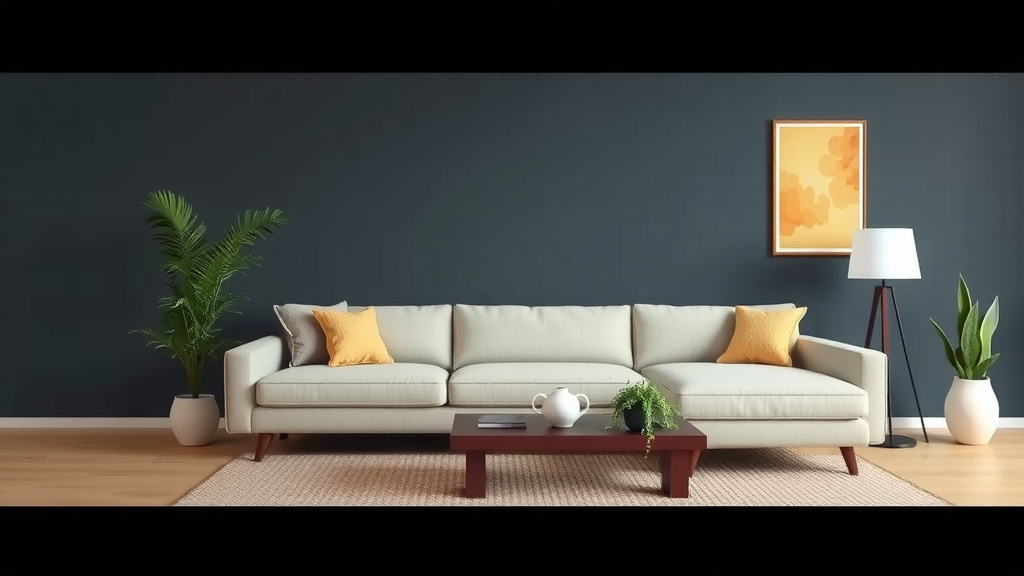
Shape is the first big fork in the road. Most family rooms do best with one of three options: L-shaped, U-shaped, or modular. Here’s a quick way to think about it: L-shapes hug a corner, U-shapes create a conversation pit, and modulars are like LEGO bricks for grown-ups.
| Shape | Best For | Watch Out For |
|---|---|---|
| L-shaped | Corner spots, small-to-medium rooms | Can block walkways if the long side faces traffic |
| U-shaped | Large, open rooms, big families | Needs a lot of floor space — measure twice |
| Modular | People who rearrange often or move a lot | Seams and connectors vary in quality |
The Chaise Question
Many sectionals come with a chaise — that long lounging seat on one end. If you choose one, think about which side the chaise should sit on. Left-facing or right-facing matters more than you’d think. A reversible chaise solves the problem if you like to rearrange furniture every few months. (No judgment. We do it too.)
How Big Should Your Sectional Be?
Here’s the direct answer: your sectional should leave at least 30 to 36 inches of walkway around it. Many interior designers recommend keeping 18 inches between the sofa and coffee table for legroom. If you’re working with a small room, aim for a compact two-piece sectional instead of a five-seat monster. Our roundup of the best small sectionals highlights compact two-piece picks that fit tight rooms.
Grab a tape measure and write down these numbers before shopping:
- Room length and width
- Distance from entry doors to the sofa spot
- Stairwell or hallway width (for delivery day)
- TV distance — many experts suggest 1.5 to 2.5 times the screen size for comfortable viewing
Measure your doorways, too. We found plenty of reviews from people who bought the perfect sectional and then discovered it wouldn’t fit through the front door. Check for a 32-inch clear opening, or ask about removable legs and modular delivery.
What Fabric Holds Up With Kids and Pets?
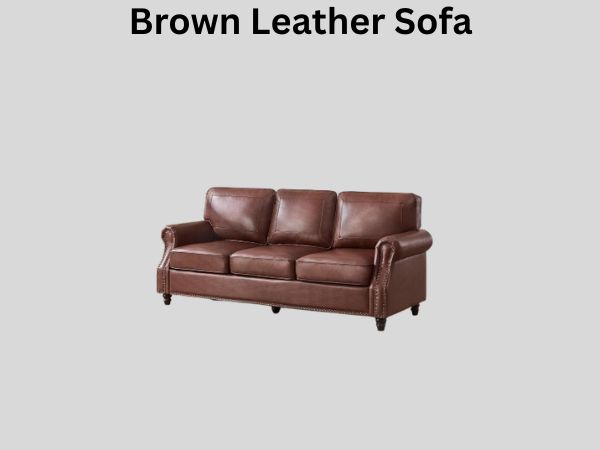
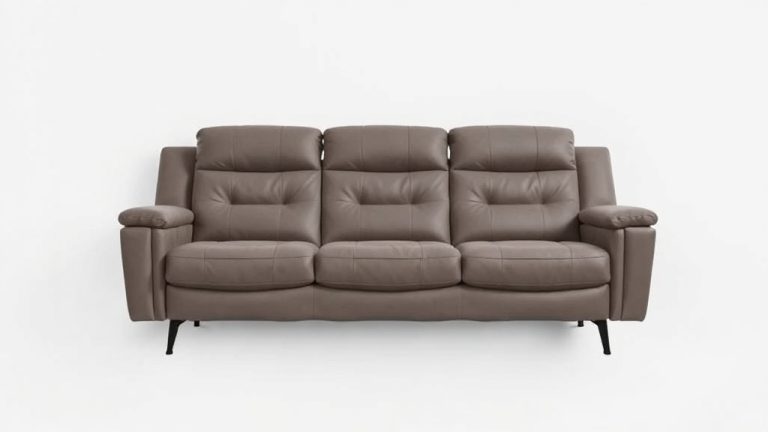
Performance fabrics win for family rooms. Microfiber, polyester blends, and treated canvas resist stains and clean up with a damp cloth. Leather is another solid pick — it wipes down easily and actually looks better with some wear. Delicate fabrics like velvet or linen? Beautiful, but one juice box later you’ll regret it.
Understanding Fabric Ratings
When you shop, look for the double rub count. That’s an industry abrasion test — higher numbers mean tougher fabric. A rating above 15,000 double rubs is considered heavy-duty for home use. Also check for an Oeko-Tex or Greenguard certification, which signals lower chemical emissions. The EPA notes that indoor air quality matters, especially in rooms where kids spend hours.
What Cushion Comfort Should You Look For?
Sit before you buy. Seriously. A sectional can look like a cloud online and feel like a park bench in person. Cushion depth and firmness make the biggest difference in daily comfort.
Many experts suggest a seat depth of about 20 to 22 inches for average adults. Deeper cushions (24 inches or more) feel luxurious for tall folks but leave shorter family members dangling. Firmness comes down to the foam inside:
- High-resilience foam — supportive and keeps its shape for years
- Memory foam layers — soft on top, firm underneath
- Down-wrapped cushions — plush but need regular fluffing
Research on sleep and posture from the NIH shows that body support matters for how you feel after long periods of sitting. Your couch is basically a second mattress. Treat it that way.
Reversible vs. Fixed Sectionals: Which One?
A reversible sectional lets you flip the chaise to either end. It’s the best choice if you move often, redecorate seasonally, or just can’t commit. A fixed sectional usually costs less per seat and feels sturdier because the pieces connect more securely. Ask yourself: will this room look the same in five years? If the answer is “probably not,” go reversible.
How Much Should You Spend on a Sectional?
Most quality family sectionals run between $1,500 and $4,000. Budget options exist under $1,000, but expect thinner cushions and shorter lifespans. High-end designer pieces can top $10,000. Here’s the honest math: a $2,500 sectional that lasts ten years beats a $700 one you replace every two.
Watch for these budget-friendly wins:
- Sales around Presidents Day, Memorial Day, and Labor Day
- Floor models and open-box deals
- Modular sets you can add to over time
Should You Consider a Sleeper Sectional?
If guests visit often, a sleeper sectional pulls double duty. Modern mattress options have improved a lot — memory foam and air-over-coil designs feel far better than the old bar-in-your-back springs. Just remember: sleeper mechanisms add weight and reduce storage space underneath. Measure the pulled-out bed size, too, before you promise your in-laws a comfy stay.
What Features Are Worth the Upgrade?
A few extras earn their keep in a family room:
- Stain-resistant treatment on any fabric you choose
- Removable, washable covers — a lifesaver with toddlers or shedding dogs
- Built-in USB ports for charging during movie nights
- Storage chaise for blankets and board games
- Solid hardwood frames with a 10-year or longer warranty
Your Pre-Purchase Checklist
Before you click “buy,” run through this quick list. We found that most buyer’s remorse comes from skipping one of these steps:
- Measured the room, doorways, and delivery path
- Confirmed 30+ inches of walkway space
- Picked a fabric that survives your real life, not a magazine photo
- Tested cushion depth and firmness (or checked the return policy)
- Chosen the right chaise direction for your layout
- Checked the frame warranty — aim for 10 years or more
Conclusion
Here’s the truth: a sectional is one of the hardest-working pieces of furniture you’ll ever own. Get it right, and your family room becomes the spot where everyone actually wants to hang out. Get it wrong, and you’re stuck squeezing past a sofa that doesn’t fit for the next decade.
The good news? You now know exactly what matters. Measure first, match the shape to your room, pick a fabric that survives real life, and sit before you buy. Those four moves avoid nearly every mistake we found in buyer reviews.
Your next step is simple: grab a tape measure and write down your room’s dimensions today. Then start shopping with confidence — you’ve got this.
Frequently Asked Questions
Can a sectional sofa work in a small family room?
Yes, if you choose carefully. A compact two-piece or L-shaped sectional with a low back often works better than a bulky traditional sofa plus chairs. Look for pieces with exposed legs, which make the room feel more open, and skip the wide chaise if floor space is tight.
Should a sectional float in the middle of the room or sit against a wall?
It depends on your room’s size and layout. In larger, open-concept spaces, floating a sectional helps define the living area and improves traffic flow. In smaller rooms, pushing it against the wall frees up valuable walking space. Just avoid blocking natural walkways either way.
How long should a quality sectional sofa last?
A well-built sectional with a solid hardwood frame and high-resilience foam should last 10 to 15 years with regular family use. Cheaper models with particleboard frames and low-density foam often show sagging and wear within 3 to 5 years. The warranty length is usually a good clue — aim for at least 10 years on the frame.
Do sectionals come apart for moving?
Most do. Sectionals are typically built in two or more pieces that connect with brackets or hooks, so they can be separated for delivery or a future move. Modular sectionals go further and break down into individual seats. Always confirm the piece count and connector style before buying, especially if you move often.
What color sectional is best for a family room?
Mid-tone colors like gray, taupe, and navy hide everyday wear better than white or jet black. If you love light colors, choose a performance fabric with stain-resistant treatment so spills don’t become permanent. Darker colors show pet hair and dust, so pet owners often do better with medium tones.