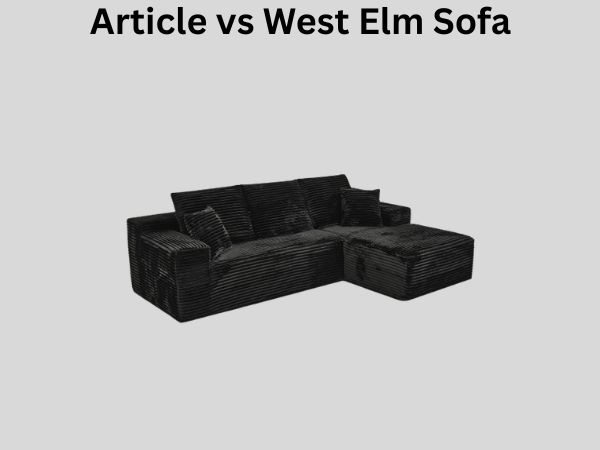
Article vs West Elm Sofa: Which Brand Is Worth the Money?
When you’re shopping for a new sofa, you’re probably feeling overwhelmed by choices. The furniture market is flooded with options, each promising comfort, style, and durability. Two names that keep popping up in conversations are Article and West Elm. Both brands have built impressive reputations, but they approach furniture differently. So which one should you actually buy? Let me walk you through everything you need to know to make an informed decision.
Article vs West Elm Sofa: Understanding the Basics
Before diving into the nitty-gritty details, let’s establish what we’re comparing. Article and West Elm are both popular furniture retailers that offer sofas in various styles and price ranges. However, they operate with different business models, design philosophies, and price points. Think of it like comparing two different coffee shops—they both serve coffee, but the experience, quality, and cost can vary significantly.
What Is Article and How Do They Operate?
Article is a direct-to-consumer furniture company that emerged from the idea of eliminating middlemen. They design their own pieces and sell them primarily through their online platform. By cutting out traditional retail overhead, Article maintains lower prices while still offering contemporary designs. Their approach is refreshingly straightforward: good design at accessible prices.
The brand focuses heavily on modern and minimalist aesthetics. If you love clean lines, neutral colors, and Scandinavian-inspired furniture, you’ll feel right at home browsing their collection. Article ships directly from their warehouses, which is another cost-saving measure they pass along to customers.
Understanding West Elm’s Position in the Market
West Elm, owned by Williams-Sonoma Inc., operates differently. They have physical showrooms across the country where you can see and touch furniture before purchasing. They also maintain an online presence, making them a hybrid retailer. West Elm positions itself as a lifestyle brand that goes beyond furniture—they sell a complete aesthetic experience.
West Elm’s designs tend to be more experimental and trend-forward. They collaborate with designers and artists, creating pieces that make bold statements. Their price point typically runs higher than Article, reflecting their brand positioning as a premium furniture retailer.
Price Comparison: What Your Budget Actually Gets You
Let’s talk money, because honestly, that’s probably what brought you here. Price is often the deciding factor when choosing between furniture brands.
Article’s Pricing Strategy
Article sofas typically range from around $400 to $1,500, depending on the style and size. Their entry-level options are genuinely affordable without feeling cheap. A basic two-seater sofa might run you $600 to $800, while larger sectionals could approach $1,200 to $1,500. What makes this pricing attractive is that Article doesn’t sacrifice too much quality for the lower cost.
- Entry-level sofas start around $400-$700
- Mid-range options fall between $700-$1,000
- Premium selections reach $1,000-$1,500
- Custom or special orders may exceed these ranges
West Elm’s Premium Pricing Model
West Elm sofas typically start at around $800 and can easily climb to $2,000 or beyond. A standard sectional from West Elm might cost $1,500 to $2,500. This higher pricing reflects their brand positioning, design quality, and the costs associated with maintaining physical retail locations.
- Entry-level sofas range from $800-$1,200
- Mid-range pieces cost $1,200-$1,800
- Premium and designer collaborations exceed $2,000
- Custom upholstery options add significant cost
Design and Style: Finding Your Aesthetic
Price is only half the battle. You also need to love how the sofa looks in your space.
Article’s Design Philosophy
Article embraces modern minimalism. Their sofas feature straightforward silhouettes, often with tapered wooden legs, neutral upholstery, and functional designs. They’re not trying to shock you with bold colors or unusual shapes. Instead, they create pieces that work with almost any décor style while maintaining a contemporary edge.
The beauty of Article’s approach is versatility. Their sofas work equally well in a minimalist apartment, a mid-century modern home, or even a transitional space. If you prefer understated elegance and timeless design, Article delivers exactly that.
West Elm’s Bold Design Direction
West Elm isn’t afraid to take risks. You’ll find sofas with unexpected color combinations, interesting textures, and design elements that make statements. They frequently collaborate with independent designers and artists, resulting in limited-edition pieces that feel exclusive and curated.
West Elm’s sofas often work best if you’re decorating intentionally around them. A burnt orange West Elm sofa with sculptural arms isn’t just a place to sit—it’s a focal point in your room. This is perfect if you have a clear vision for your space, but it requires more thoughtful interior design.
Quality and Durability: What’s the Real Difference?
Here’s where things get interesting. Both brands offer decent quality, but there are subtle differences in construction and materials.
Article’s Construction Standards
Article sofas typically feature hardwood frames, though some entry-level models use engineered wood. The cushions are usually high-density foam, which is decent but not necessarily long-lasting. Springs can vary—some models use sinuous springs, others use webbing systems.
The reality is that Article’s quality matches their price point. For $700-$900, you get a sofa that should last 5 to 8 years with normal use. They’re not built to last 20 years, but they’re also not disposable. It’s honest quality without pretense.
West Elm’s Quality Emphasis
West Elm typically uses solid wood frames and higher-grade foam in their cushions. Many of their sofas feature eight-way hand-tied springs, which is superior to simpler spring systems. The upholstery options are more varied, including performance fabrics designed to resist staining and wear.
For the higher price, you’re getting sofas designed to last longer. A West Elm sofa with proper care could serve you 10 to 15 years comfortably. This longevity might actually make the higher price point more economical when you calculate cost-per-year-of-use.
Warranty and Customer Service Comparison
Article offers a one-year warranty covering manufacturing defects. West Elm provides similar coverage but with the added benefit of physical locations where you can address concerns face-to-face. West Elm’s customer service infrastructure is more extensive, which can be valuable if issues arise.
Comfort: Sitting Is What Really Matters
A beautiful sofa that’s uncomfortable is just expensive decoration. So how do these brands stack up when it comes to actual comfort?
Article Sofa Comfort Levels
Article sofas tend toward a firmer sitting experience. This appeals to people who don’t like sinking deep into cushions. The high-density foam holds its shape well but doesn’t provide that plush, enveloping feel. Many users describe Article sofas as “supportive” rather than “luxurious.”
If you have back pain or prefer sitting upright, Article’s approach is actually beneficial. The firmness provides support without forcing your spine into awkward positions. However, if you love lounging and sinking into your sofa, you might find Article a bit too structured.
West Elm Comfort and Feel
West Elm sofas often offer more varied comfort options. Because they work with different designers, comfort levels vary across their collection. Some pieces offer plush, enveloping comfort with softer cushions, while others maintain firmer support. This variety means you can choose exactly what feels right for you.
The downside? You need to test pieces in-store or read reviews carefully before ordering online. There’s no single “West Elm comfort signature” like there is with Article.
Delivery and Setup: Getting Your Sofa Home
Buying a sofa is only half the journey. Getting it into your living room is the other half.
Article’s Shipping Process
Article ships directly from their warehouses, typically within 2-4 weeks. They handle white-glove delivery service for a fee, but many customers opt for standard delivery to save money. Article provides clear tracking information and communicates well about delivery timelines.
The downside is that all transactions are online, so you can’t inspect the sofa before it arrives. This requires trust in their product descriptions and customer reviews.
West Elm’s Delivery Options
West Elm offers multiple delivery options, from standard shipping to expedited and white-glove services. If you purchase from a physical location, you might receive faster delivery or even in-store pickup options. They typically deliver within 4-8 weeks.
West Elm’s advantage is that you can see the sofa in person before committing. Many customers feel more confident with their purchase after sitting on it in a showroom. If problems arise, you can also address them at the physical location.
Customization Options: Making It Truly Yours
What if you want something that’s not quite off-the-shelf?
Article’s Customization Limits
Article offers limited customization. You can usually choose between a few fabric options and sometimes select between different leg styles or arm types. However, you can’t fully customize a sofa from scratch. Their approach is providing good variety in ready-made designs rather than bespoke creation.
This limitation keeps costs down and delivery times manageable, but it means less flexibility for specific needs or preferences.
West Elm’s Customization Capabilities
West Elm offers significantly more customization. You can often choose your own fabric, leather type, leg finish, and sometimes even arm style. Many sofas can be special-ordered to your exact specifications. This flexibility comes at a cost—both financially and in terms of delivery time, which can extend to 8-12 weeks for custom orders.
If you have a specific vision for your sofa that doesn’t match standard offerings, West Elm is your better option.
Returns and Exchange Policies: What If You Change Your Mind?
What happens if the sofa doesn’t work out once it arrives?
Article’s Return Policy
Article allows returns within 30 days of purchase if the sofa is unused and in original condition. However, customers typically cover return shipping costs, which can be substantial for a large item like a sofa. This policy is relatively restrictive compared to other retailers.
West Elm’s Return Approach
West Elm offers a 30-day return window as well, but they handle logistics differently through physical locations. If you purchased in-store, returns are simpler. Online purchases follow similar policies to Article, though West Elm sometimes offers more flexibility for quality issues.
Environmental and Ethical Considerations
Many modern consumers care about where their furniture comes from and how it’s made.
Article’s Sustainability Efforts
Article focuses on efficiency and waste reduction through their direct-to-consumer model. By cutting out middlemen and retail locations, they reduce transportation and storage waste. They also provide information about fabric sourcing, though their sustainability credentials aren’t as extensively marketed as some competitors.
West Elm’s Environmental Initiatives
West Elm has made more public commitments to sustainability. They offer sustainably-sourced options, use responsible forestry practices, and provide detailed information about fabric origins. Their “West Elm Works” program supports artisans in developing countries, adding a social responsibility component to furniture purchases.
If ethical sourcing and environmental impact are priorities for you, West Elm’s transparency gives them an edge.
Real-World Scenarios: Which Brand Fits Your Situation?
Sometimes the best way to decide is to consider specific situations.
You Should Choose Article If:
- Your budget is tight and you need an affordable, quality sofa
- You prefer modern, minimalist design that works with any décor
- You value straightforward, no-nonsense furniture without flash
- You appreciate clean lines and functional design
- You want to buy online without visiting showrooms
- You prefer a firmer sitting experience and good support
You Should Choose West Elm If:
- You have a larger budget and want longevity
- You enjoy bold design and trendy aesthetics
- You want to see furniture in person before buying
- You need customization options for specific needs
- You value brand prestige and lifestyle positioning
- You prefer plush comfort and softer cushioning
- Environmental and ethical sourcing matter to you
The Verdict: Honest Comparisons and Trade-offs
Here’s the truth: neither brand is objectively “better.” They’re different, and the right choice depends entirely on your priorities, budget, and lifestyle.
Value for Money
Article wins on pure value. You’re getting acceptable quality at lower prices. If value-for-money is your primary concern, Article is hard to beat. You’ll have a functional, attractive sofa without breaking the bank.
Long-Term Investment
West Elm potentially wins if you calculate long-term cost. Yes, you pay more upfront, but a sofa lasting 15 years versus 8 years changes the equation. If you keep furniture for decades, West Elm’s higher quality may justify the price premium.
Design Satisfaction
This is subjective, but West Elm likely edges out Article if you want your sofa to be a design statement. Article is dependable and attractive, but not groundbreaking. West Elm collaborates with designers to create pieces with personality.
Shopping Experience
West Elm provides a better overall shopping experience with physical locations, more customer service touchpoints, and customization options. Article keeps it simple, which appeals to some people but frustrates others.
Hidden Costs and Unexpected Expenses
When comparing prices, don’t forget these often-overlooked costs:
Delivery and Assembly Fees
Both brands charge for white-glove delivery. Article’s standard shipping is usually $100-$200, while white-glove service costs $300-$600 depending on location. West Elm’s costs are similar but vary by service level and location.
Fabric Protection and Care
Neither brand includes fabric protection in the base price. Scotchgard or similar treatments cost $100-$200 additional. This is worthwhile if you have pets or children.
Accessory Purchases
You might need throw pillows, blankets, or protective covers. West Elm heavily encourages these complementary purchases, which can add $200-$500 to your total investment.

![10 Best Budget L Shape Sofa [2026]](https://hometopaccesories.com/wp-content/uploads/2026/08/10-best-budget-l-shape-sofa-2026-featured-768x432.jpg)
![10 Seater Leather Sofa [2026]](https://hometopaccesories.com/wp-content/uploads/2026/08/10-seater-leather-sofa-2026-featured-768x432.jpg)
![10 Best Buy Sleeper Sofa [2026]](https://hometopaccesories.com/wp-content/uploads/2026/08/10-best-buy-sleeper-sofa-2026-featured-768x432.jpg)