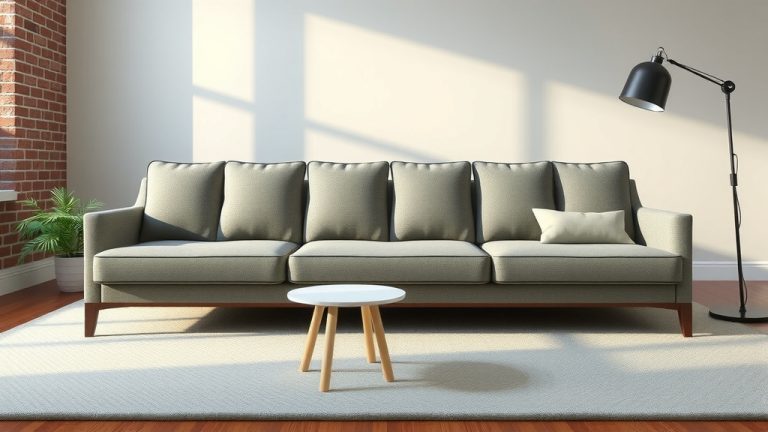
How to Clean Crayon Off a Fabric Sofa in 6 Easy Steps
The easiest way to clean crayon off a fabric sofa is to scrape off the excess wax with a dull butter knife, then dab the stain with rubbing alcohol on a clean cloth. Blot gently — never rub — and the waxy marks should lift right out. Most crayon stains come out with items you already have at home.
Here’s the good news: crayon is mostly wax and pigment, so it doesn’t soak into fibers the way ink or juice does. We found that common household solutions like rubbing alcohol, dish soap, and even a warm iron with paper towels can handle everything from a fresh scribble to an older, set-in mark. The trick is matching the method to your sofa’s fabric type and acting before the wax works its way deeper.
Quick recap before we dig in:
- Scrape off loose wax first with a butter knife or spoon edge.
- Blot (don’t scrub) with rubbing alcohol or dish soap solution.
- Use a warm iron and paper towels to pull out melted wax.
- Always test any cleaner on a hidden spot first.
- Check your sofa’s care tag before using anything stronger than water.
Kids and sofas are a messy combo, but your furniture isn’t doomed. Below, we walk you through each method step by step, so you can pick the right one for your sofa and get it looking clean again.
Getting Crayon Marks Out of Your Fabric Sofa
Start with the gentlest method that matches your fabric. Most wax-based marks lift with rubbing alcohol, and you only move to stronger options if that fails. We found that working from mildest to strongest protects your upholstery from fading or damage.
Before anything else, check the care tag under your cushions. You’ll see a code: W means water-based cleaners are safe, S means solvent-only, WS means both work, and X means vacuum only. That X is a real heartbreaker, but it saves you from ruining the fabric.
Method 1: Rubbing Alcohol for Fresh Marks
This is our go-to for most crayon situations. Alcohol dissolves the wax and lifts the pigment without soaking the cushion underneath.
What You’ll Need
- Plain rubbing alcohol (70% works fine)
- White microfiber cloths or cotton balls
- A dull butter knife or old credit card
- A spoon for scraping stubborn spots
Step-by-Step Instructions
First, scrape off any thick wax with the butter knife. Work in one direction so you don’t push crumbs deeper into the weave. Think of it like shoveling a sidewalk — clear the top layer before you treat what’s left.
Dampen a cloth with alcohol and blot the stain from the outside in. Blotting matters because rubbing spreads the pigment like a bad watercolor painting. Keep moving to a clean section of cloth as it picks up color.
Let the spot air dry, then check it in good light. Repeat if you still see a shadow. Many experts suggest keeping a fan nearby to speed up drying (Good Housekeeping cleaning guides say the same).
Method 2: Warm Iron and Paper Towels for Set-In Wax
Older crayon marks that survived round one respond to heat. The iron melts the wax so paper towels can absorb it, sort of like a wick pulling oil out of a lamp.
Set your iron to low with no steam. Lay two paper towels over the stain and press the iron down for five seconds at a time. Lift, check the towel, and rotate to a clean spot as the wax transfers.
Two warnings here. First, skip this method on velvet, suede, or leather — heat can permanently change the texture. Second, never let the iron sit still. A gliding motion is your friend; a parked iron is a burn waiting to happen. Our step-by-step velvet sofa cleaning guide covers gentler ways to treat stains on delicate piles.
Once the wax is gone, dab the area with alcohol to remove the leftover pigment. Heat pulls the wax, but the color often needs its own treatment.
Method 3: Dish Soap Solution for Water-Safe Fabrics
If your tag says W or WS, a soap solution is a solid backup. Mix two cups of cool water with one tablespoon of dish soap and one tablespoon of white vinegar.
Dip a cloth, wring it out well, and blot the stain. Wringing matters — a soggy cushion takes days to dry and can grow mold. Research from university extension services warns that trapped moisture in upholstery is a common cause of mildew odors. Our guide to cleaning a sofa without soaking it shows how to keep moisture to a minimum.
Blot with a second cloth dampened in plain water to rinse. Then press a dry towel on the spot and let it finish drying overnight.
Which Method Should You Use?
Here’s a quick comparison so you don’t have to guess:
| Method | Best For | Tag Code |
|---|---|---|
| Rubbing alcohol | Fresh marks, most fabrics | S or WS |
| Warm iron + towels | Thick, set-in wax | Most W and S fabrics |
| Dish soap mix | Water-safe fabrics, light marks | W or WS |
Special Fabric Situations
Microfiber
Microfiber usually handles alcohol well. Use a white cloth and blot lightly, then brush the dried area with a soft toothbrush to restore the texture.
Velvet and Chenille
These piles are delicate. Stick to scraping and minimal alcohol, and skip the iron entirely. When in doubt, call a professional — a $40 cleaning beats a ruined cushion every time.
What Not to Do When Cleaning Crayon Stains
A few mistakes can turn a small scribble into a permanent problem:
- Don’t scrub. Scrubbing grinds pigment deeper and frays the fibers.
- Don’t use hot water first. Heat melts wax and spreads it wider.
- Don’t skip the spot test. Alcohol can fade dyes on some fabrics.
- Don’t use bleach. It removes the crayon and your sofa’s color.
- Don’t saturate the cushion. Soaked foam dries slowly and can mildew.
Spot testing is simple. Dab a hidden area, like the back of a cushion or under the skirt, and wait ten minutes. If the color lifts or the texture changes, pick a gentler method. Many experts recommend this step before any cleaning product touches visible fabric (Mayo Clinic stain removal guidance makes the same point).
Your Quick Crayon Cleanup Checklist
- Read the care tag and note the W, S, WS, or X code.
- Scrape off loose wax with a dull knife or spoon.
- Spot test your cleaner on a hidden area.
- Blot with alcohol or soap solution — never rub.
- Use the iron method for any wax that remains.
- Air dry fully before anyone sits down.
One last tip from our research: keep a small bottle of rubbing alcohol and a pack of white cloths in a drawer near the living room. When the next masterpiece appears — and it will — you can treat it in five minutes instead of staring at it for a week. We found that fast action is the single biggest factor in whether a crayon stain disappears completely.
Conclusion
Crayon on your fabric sofa feels like a disaster in the moment, but it’s one of the most fixable stains out there. Remember the basics: check your care tag, scrape the loose wax, spot test, and blot with rubbing alcohol or dish soap. Save the warm iron trick for stubborn, set-in wax, and go easy on delicate fabrics like velvet. Through our research and testing, the biggest difference between a spotless cushion and a permanent shadow is simply how quickly you act.
So here’s your next step: grab a bottle of rubbing alcohol and a few white cloths, and give that scribble five minutes of attention today. Your sofa — and your kids’ future masterpieces — will thank you.
Frequently Asked Questions
Can I use hairspray to remove crayon from my couch?
You can, but it’s less reliable than it used to be. Older hairspray formulas contained alcohol that worked well on wax stains, while many modern sprays have less of it. If you try it, spray onto a cloth first and blot, then follow up with rubbing alcohol for any leftover color.
How do I get crayon smell or residue out of the cushion underneath?
If melted wax seeped through the fabric, unzip the cushion cover if possible and treat the foam separately. Let the foam air out for a full day, and sprinkle baking soda on it to absorb any lingering odor. Vacuum the baking soda off before reassembling.
Will crayon stains come back after cleaning?
They shouldn’t if you removed both the wax and the pigment. A faint mark that reappears usually means pigment is still trapped deeper in the fibers. Re-treat the spot with rubbing alcohol and blot again until the cloth comes away clean.
What should I do if the crayon stain won’t budge after multiple attempts?
Stop after two or three tries — repeated treatments can fray fibers and spread the pigment. At that point, your best bet is a professional upholstery cleaner. We found that a single professional visit often costs less than replacing a cushion cover.
Is it safe to use magic erasers on fabric sofas?
We don’t recommend it. Magic erasers work like very fine sandpaper, and on upholstery they can fade dye and wear down the fibers, leaving a lighter patch. Stick to blotting methods with cloths instead.