
Blue Sofa: What Colour Walls Look Best? A Complete Design Guide
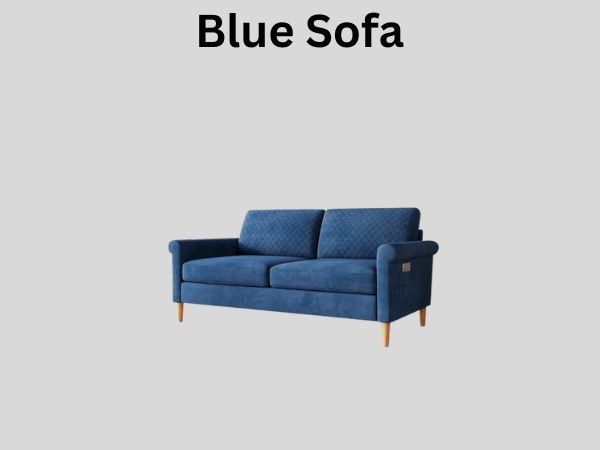
So you’ve invested in a gorgeous blue sofa, and now you’re staring at your walls wondering if they’re doing your new furniture any favors. The truth is, choosing the right wall color to complement your blue sofa can completely transform your living room from ordinary to extraordinary. Think of your wall color as the supporting actor in a movie—it needs to enhance the star without stealing the spotlight.
In this comprehensive guide, we’ll explore everything you need to know about pairing wall colors with your blue sofa. Whether you’re working with a navy, sky blue, or teal sofa, we’ve got you covered with practical advice, color psychology insights, and creative design ideas.
Understanding Your Blue Sofa: The Foundation of Your Color Scheme
Before we dive into wall colors, let’s talk about your blue sofa itself. Blue comes in countless shades, and each one tells a different story in your home. The shade of blue you’re working with will significantly influence which wall colors will work best.
Identifying Your Shade of Blue
Are you dealing with a deep navy blue that’s almost black? Perhaps a soft, whispery periwinkle? Maybe a bold teal with green undertones? The specific shade matters more than you might think. Navy blues lean toward formality and sophistication, while lighter blues feel airy and casual. Teal-toned blues bring in earthy, sophisticated vibes, while cornflower blues feel cheerful and energetic.
Take a moment to really look at your sofa in different lighting conditions. Notice if it has warm undertones, cool undertones, or if it seems neutral. This observation will be your compass as we navigate wall color choices together.
Neutral Wall Colors: The Safe and Stunning Choice
If you’re hesitant about making bold color statements, neutral wall colors are your best friends. They’re not boring—far from it—they’re actually the most versatile option available to you.
Creamy Whites and Off-Whites
Creamy whites create a fresh, clean backdrop that lets your blue sofa become the focal point of the room. This combination works beautifully in modern, minimalist, and traditional spaces alike. The key is choosing a white with subtle warmth rather than stark, clinical white. Look for whites with names like “ivory,” “cream,” “vanilla,” or “off-white” rather than “pure white” or “bright white.”
This pairing gives your space an elegant, gallery-like feel. Your blue sofa gets to shine without competing with the walls for attention.
Soft Grays and Greiges
Gray is having a major moment in interior design, and for good reason. A soft, warm gray can complement virtually any shade of blue. Greige—that beautiful blend of gray and beige—is even better because it brings warmth while maintaining that neutral quality.
Medium grays work particularly well with navy or darker blue sofas, while lighter grays pair beautifully with sky blue or powder blue sofas. The contrast between your sofa and walls becomes more pronounced without clashing.
Warm Beiges and Taupes
These colors bring a cozy, welcoming quality to your space. Beige and taupe walls allow blue sofas to feel more grounded and sophisticated. This combination feels especially inviting in living rooms and family spaces where you want people to relax and feel comfortable.
Cool-Toned Wall Colors: Playing with Complementary Shades
Ready to be a bit bolder? Cool-toned wall colors can create stunning, cohesive looks when paired with your blue sofa.
Pale Blue Walls: Creating Monochromatic Harmony
Here’s something that might surprise you: painting your walls a pale blue shade can actually look amazing with a darker blue sofa. This creates a monochromatic color scheme—different shades of the same color family. It’s like wearing different tones of blue together; when done right, it feels intentional and sophisticated rather than matchy-matchy.
The trick is ensuring enough contrast between your wall color and sofa color. If your sofa is navy, go with something like sky blue, powder blue, or dusty blue on the walls. The variation in tone creates visual interest and depth.
Soft Lavender and Purple Tones
Purple sits next to blue on the color wheel, making it a naturally harmonious partner. Soft lavender or muted purple walls create a calming, sophisticated atmosphere when paired with blue sofas. This combination works especially well in bedrooms or relaxation spaces.
The beauty here is that you’re creating a cohesive cool-toned environment without being obvious about it. Your guests will feel the harmony even if they can’t quite articulate why the space feels so serene.
Soft Green Walls: The Nature Connection
Green and blue are nature’s best friends—think of the ocean meeting the forest. Pale sage green, soft eucalyptus, or muted seafoam walls can create a naturally balanced look with your blue sofa. This pairing evokes feelings of growth, balance, and calm.
This is an excellent choice if you want to bring natural elements into your space without going full botanical. Pair it with natural wood furniture and greenery, and you’ve got a nature-inspired sanctuary.
Warm-Toned Wall Colors: Creating Contrast and Drama
Don’t count out warm colors just yet. The contrast between warm and cool tones can create genuinely striking spaces.
Warm Cream and Butter Tones
Soft cream with warm undertones creates a welcoming, cozy environment with your blue sofa. This isn’t quite white; it’s warmer and more inviting. The slight contrast between the cool blue sofa and warm walls creates visual interest without feeling jarring.
Blush and Soft Pink Walls
This might sound unconventional, but soft blush or mauve pink walls can look absolutely stunning with certain shades of blue sofas. The key is keeping the pink tone very muted and pale—think “barely there pink” rather than hot pink.
This combination feels modern, sophisticated, and surprisingly harmonious. It’s perfect if you’re designing a space that’s feminine without being fussy, or contemporary without being cold.
Warm Terracotta and Peachy Tones
For those with lighter blue sofas, warm peachy or soft terracotta walls create a dynamic contrast. This pairing feels energetic and inviting, bringing warmth and personality to your space. The blue and warm orange tones are actually complementary on the color wheel, which is why this combination feels so balanced despite the contrast.
Bold Wall Colors: For the Adventurous Designer
If you’re feeling confident and want your walls to make a statement, consider these bolder options.
Deep Jewel Tones: Emerald and Sapphire
Emerald green or deep jewel-tone walls with a blue sofa create a luxurious, gallery-like atmosphere. This works best with lighter blue sofas that can stand out against the darker walls. You’re essentially using your walls as a dramatic backdrop that makes your blue sofa pop.
Warm Mustard and Gold Accents
This is for the truly brave designer. Mustard yellow or golden walls create vibrant contrast with blue sofas. The energy in this combination is undeniable. Use this approach if you want your living space to feel warm, inviting, and full of personality.
Considering Lighting: How Natural and Artificial Light Affects Your Choice
Here’s something many people overlook: lighting dramatically impacts how colors appear in your home. A wall color that looks perfect in the afternoon sunlight might look completely different under artificial lighting in the evening.
North-Facing Rooms: Cooler Natural Light
Rooms with north-facing windows receive cooler, bluer light throughout the day. In these spaces, warmer wall colors (creams, warm grays, soft peachy tones) can help balance the inherently cool light. Cool-toned wall colors might feel too cold in these rooms.
South-Facing Rooms: Warmer Natural Light
South-facing windows bring warm, golden light. Here, you have more freedom with wall colors. Both warm and cool tones will look good because the natural light is already warm. In fact, cool-toned walls might help balance the warmth of the light.
Artificial Lighting Considerations
The type of artificial lighting you use matters too. Warm white bulbs (around 2700K) create a cozy atmosphere that works well with warm wall colors. Cool white bulbs (around 4000K or higher) pair better with cool wall colors. If you’re using your room in the evenings, test your wall color choices under your actual lighting setup before committing.
The 60-30-10 Design Rule: Creating Balance
Interior designers often use the 60-30-10 rule to create balanced, harmonious spaces. Let’s apply this to your blue sofa situation.
The 60 percent should be your dominant color—usually your wall color. The 30 percent is your secondary color—your blue sofa fits here. The remaining 10 percent is your accent color—think throw pillows, artwork, or accessories.
This means your wall color should be slightly more prominent or visually weighty than your sofa color, even though the sofa is the focal point. This might sound contradictory, but it actually works because the sofa gets attention through placement and size, while the walls get attention through area coverage.
Testing Before Committing: The Paint Sample Strategy
Never—and we mean never—commit to a wall color without testing it first. Paint is a major investment in both time and money.
Getting Paint Samples Right
Purchase sample-size paint from your local store and paint large swatches (at least two square feet) directly on your walls. Paint swatches in different locations throughout the room to see how they look in various lighting conditions.
Leave these samples up for several days and observe them at different times of day. How does the color look in morning light? Afternoon light? Evening light? This real-world test is far more valuable than looking at small paint chips.
Accent Walls: Adding Dimension Without Full Commitment
If you’re nervous about painting your entire room a new color, consider an accent wall instead. This approach lets you add personality and color while maintaining safety with neutral walls elsewhere.
Which Wall Should Be Your Accent Wall?
Typically, the accent wall should be the one that naturally draws attention. If your blue sofa faces a particular wall, that wall is an excellent candidate for an accent color. Alternatively, you could paint the wall behind where people typically sit when viewing the sofa.
An accent wall lets you experiment with bolder colors—deep teals, jewel tones, or warm dramatic hues—while keeping the rest of your room more neutral and flexible.
Practical Design Combinations That Work
Let’s talk about specific combinations that consistently work beautifully in real homes.
Navy Blue Sofa with Cream and Gray Walls
This is a tried-and-true combination that feels both modern and timeless. The navy provides color and presence, while cream walls keep things bright and airy. Add gray accents through furniture or accessories for sophistication.
Sky Blue Sofa with Pale Blue or White Walls
This creates a serene, calm environment perfect for bedrooms or meditation spaces. The monochromatic approach feels intentional and cohesive without being boring.
Teal Blue Sofa with Warm Gray or Greige Walls
Teal’s green undertones pair beautifully with warm, earthy wall colors. This combination feels sophisticated and balanced, bringing together cool and warm elements harmoniously.
Cobalt Blue Sofa with Pale Yellow or Cream Walls
This pairing creates energy and warmth. The complementary colors (blue and yellow are opposite on the color wheel) create visual vibrancy while the pale yellow keeps things light and inviting.
Accessorizing Around Your Blue Sofa and Wall Color Choice
Your wall color and sofa aren’t the only players in your color scheme. Accessories tie everything together.
Throw Pillows and Blankets
Use these items to bridge the gap between your sofa and walls. If your walls are neutral and your sofa is blue, throw pillows in complementary colors (warm tones, accent colors, or patterned designs) add visual interest and help unify the space.
Artwork and Wall Decor
Artwork is an excellent way to tie your color scheme together. Choose pieces that incorporate both your wall color and sofa color, plus an accent color or two. This creates a cohesive look throughout the space.
Rugs, Curtains, and Flooring
These larger elements significantly impact your overall color scheme. A warm-toned rug can balance cool wall colors, while curtains can echo either your wall or sofa color, creating visual continuity throughout the room.
Avoiding Common Color Pairing Mistakes
Let’s talk about what doesn’t work so you can sidestep these pitfalls.
Clashing Warm and Cool Tones
The biggest mistake people make is pairing warm and cool tones in a way that feels disconnected rather than intentional. A blue sofa with harsh yellow walls, for example, can feel discordant rather than complementary.
If you’re mixing warm and cool tones, ensure they’re muted enough to feel balanced, or intentionally bold enough to feel like a design statement.
Competing for Attention
Two bold colors in a small space can feel overwhelming. If your sofa is a vibrant blue, your walls should probably be more neutral. Conversely, if your walls are a bold color, your sofa should be quieter and more subdued.
Ignoring Lighting Realities
Choosing a wall color that looks great under store lighting but turns gray or dingy in your actual home is incredibly frustrating. Always test colors in your actual space under your actual lighting conditions.
Conclusion
Choosing the right wall color for your blue sofa ultimately comes down to understanding color theory, knowing your personal style, and considering your specific lighting conditions. There’s no single “right” answer—instead, there are numerous right answers depending on what mood and aesthetic you want to create.
If you’re the type who loves a clean, sophisticated look, neutral creams, grays, and whites are your go-to choices. They’re forgiving, timeless, and let your blue sofa take center stage. If you’re feeling more adventurous, soft greens, pale blues, blush tones, or even warm earth tones can create stunning, personalized spaces that feel uniquely yours.
Remember: always test paint colors in your actual space before committing, consider how lighting affects color perception, and think about your overall design scheme, not just how one color looks in isolation. The best wall color is the one that makes you happy every single time you walk into your living room—because at the end of the day, this is your space, and it should reflect your personality and make you feel good.

![10 Best Convertible Sectional Sofa [2026]](https://hometopaccesories.com/wp-content/uploads/2026/09/10-best-convertible-sectional-sofa-2026-featured-768x432.jpg)