How Long Do Fabric Sofas Last? Lifespan Guide
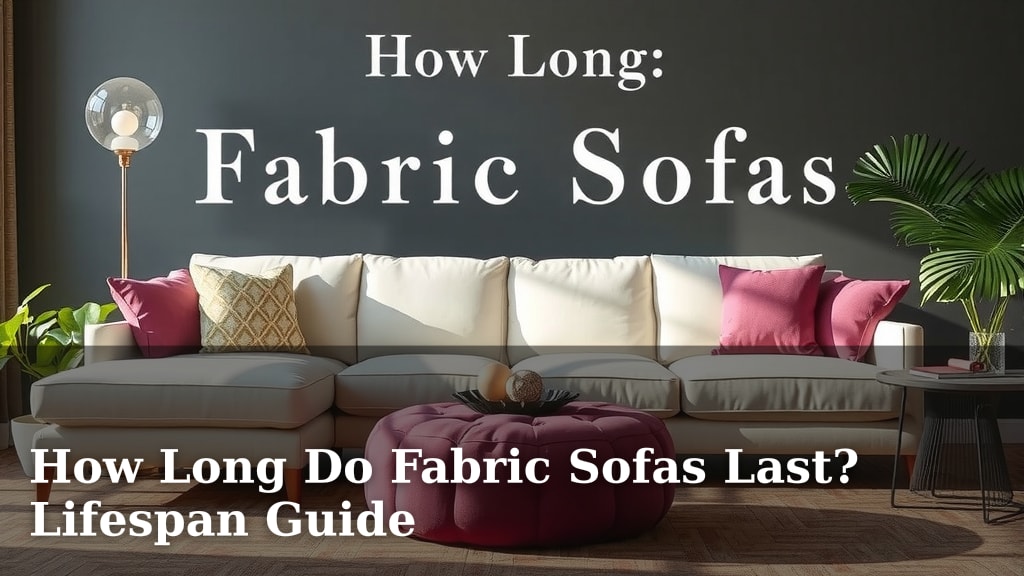
How long do fabric sofas last? Generally, you can expect a fabric sofa to last between 7 to 15 years. This lifespan depends heavily on the quality of materials used and how well you care for it.
Factors like fabric type, frame construction, and daily use all play a role. A well-made sofa in a durable fabric can certainly outlive its average lifespan. We’ve looked at what makes some sofas stand the test of time.
- A fabric sofa can last 7-15 years on average.
- Frame quality and fabric durability are key factors.
- Regular maintenance greatly extends its life.
- High-traffic areas may see a shorter lifespan without care.
- Understanding materials helps predict longevity.
Ready to find out exactly what influences your sofa’s lifespan and how to maximize it? Let’s walk through the details together.
Understanding Your Fabric Sofa’s Lifespan
So, how long can you really expect your fabric sofa to be your trusty companion? Most fabric sofas are designed to last anywhere from 7 to 15 years. This isn’t a hard and fast rule, though. Think of it like a car’s mileage – it can vary wildly! Factors like how often it’s used, the type of fabric, and the quality of its construction all play a huge role.
We’ve gathered information to help you understand what goes into making a sofa last. Understanding these elements can help you pick a sofa that will be with you for the long haul. Or, it can help you figure out why your current sofa might be nearing its retirement age.
Key Factors Influencing Sofa Durability
The Frame: The Sofa’s Skeleton
The frame is the backbone of your sofa. A sturdy frame ensures your sofa won’t sag or warp over time. We found that sofas with frames made from hardwoods like oak, maple, or ash tend to be much more durable. These woods are strong and less likely to crack or warp compared to softer woods or particleboard.
Cheaper sofas often use particleboard or plastic frames. These might feel okay at first, but they can break under pressure. They also don’t offer the same level of support. When you’re looking at sofas, ask about the frame material. A solid wood frame is a sign of quality and longevity.
Fabric Type: More Than Just Looks
The fabric you choose has a massive impact on your sofa’s lifespan. Some fabrics are built for heavy use, while others are more delicate. You want a fabric that can handle spills, pets, and everyday lounging.
Durable Fabrics for Busy Homes
For households with kids or pets, or just a lot of activity, certain fabrics stand up better. Microfiber, for example, is a popular choice because it’s resistant to stains and wear. It’s also soft and comfortable. Many sources point to microfiber as a highly durable option for everyday use (Good Housekeeping).
Leather, while not technically fabric, is often considered alongside fabric options. Real leather is incredibly durable and can last for decades with proper care. Performance fabrics, often made from synthetic materials, are engineered to be stain-resistant and fade-resistant. Brands like Sunbrella are well-known for these high-performance textiles.
Delicate Fabrics and Their Care
Fabrics like silk, velvet, or certain linens can be beautiful but are more prone to damage. They might snag, stain easily, or fade in direct sunlight. If you opt for these, you’ll likely need to be much more careful. They might be better suited for formal living rooms that see less daily traffic.
We found that understanding the “rub count” or Martindale test rating can be helpful. A higher rub count means the fabric is more resistant to wear. For residential use, a rating of 15,000-30,000 is generally good. Anything over 30,000 is considered very durable.
Cushion Construction: Comfort and Support
The cushions are where you sit, so their quality matters for both comfort and how long the sofa stays looking good. High-density foam cushions tend to last longer and hold their shape better than low-density foam or fiberfill.
Some sofas offer springs within the cushions for added support. Others have fiberfill that can flatten over time. We found that removable cushion covers are a huge plus. They make cleaning much easier, which directly impacts the sofa’s lifespan.
How Your Usage Affects Sofa Longevity
Daily Wear and Tear: The Everyday Impact
How do you use your sofa? Is it the main spot for family movie nights, or is it more for occasional guest seating? Constant use means more stress on the frame, fabric, and cushions. Jumping on the sofa, or sitting in the same spot every single time, can accelerate wear.
We discovered that rotating cushions and fluffing them regularly can help distribute wear more evenly. This simple habit can make a surprising difference in how long your sofa looks and feels good.
Pets and Children: The Little (and Big) Monsters
Furry friends and energetic kids can put a sofa through its paces. Claws can snag fabrics, accidents can cause stains, and the general chaos of a lively household can wear things down faster. If pets and children are part of your life, choosing durable fabrics and sturdy construction is even more important.
Many experts suggest using slipcovers or throws to protect your sofa in high-traffic family areas. This is a practical way to shield your furniture from inevitable wear and tear.
Sunlight and Environment: Hidden Enemies
Direct sunlight can cause fabrics to fade over time, making your sofa look old before its time. Even dry air or humidity can affect certain materials. Positioning your sofa away from direct windows can help preserve its color and the integrity of the fabric.
We found that even small environmental factors can contribute to wear. Think about placing your sofa away from heat sources like radiators, which can also dry out and damage upholstery over time.
Maximizing Your Fabric Sofa’s Lifespan: A Checklist
Want to give your fabric sofa the best chance at a long and happy life? Here are a few simple things you can do:
- Vacuum regularly: Use an upholstery attachment to remove dust and debris.
- Rotate and fluff cushions: This helps prevent uneven wear and sagging.
- Address spills immediately: Blot, don’t rub, and use appropriate cleaning solutions.
- Protect from sunlight: Use curtains or blinds to limit direct sun exposure.
- Consider slipcovers or throws: Especially in high-traffic areas or if you have pets.
- Follow manufacturer’s care instructions: Always check the label for specific cleaning guidance.
By understanding these factors and implementing simple care routines, you can significantly extend the life of your fabric sofa. It’s an investment, and taking good care of it ensures you get the most enjoyment from it for years to come.
Conclusion
You now know that your fabric sofa’s lifespan, typically 7 to 15 years, hinges on more than just luck. We found that the frame’s strength, the fabric’s durability, and your daily habits all make a big difference. By choosing quality materials and practicing consistent care, like regular cleaning and cushion fluffing, you actively extend your sofa’s life. You can enjoy your comfortable seating for much longer than you might have thought possible. Start by checking your sofa’s care tag and implementing one new maintenance habit this week!
Frequently Asked Questions
What’s the biggest factor in how long a fabric sofa lasts?
Research suggests the quality of the frame and the durability of the fabric are the most critical elements. A solid hardwood frame provides essential structural integrity, while robust upholstery fabric resists wear and tear from daily use.
How often should I clean my fabric sofa to maximize its lifespan?
We found that regular vacuuming with an upholstery attachment is a good starting point. For deeper cleaning, follow the manufacturer’s instructions, but generally, addressing spills immediately and occasional professional cleaning can help maintain the fabric’s condition.
Can I extend the life of a sofa with delicate fabric?
Yes, you absolutely can! If you have a sofa with more delicate upholstery, like velvet or silk, focus on reducing direct sunlight exposure and using protective throws in high-traffic areas. Gentle handling and immediate stain treatment are key.
Do pets significantly shorten a fabric sofa’s lifespan?
Pets can certainly accelerate wear through scratching and accidents. However, choosing pet-friendly fabrics like microfiber and using washable slipcovers or throws can significantly mitigate damage and extend your sofa’s life considerably.
What does a “high rub count” mean for sofa durability?
A high rub count, often determined by tests like the Martindale test, indicates how well the fabric withstands abrasion. For residential use, we found that a rating of 15,000-30,000 is good, while anything over 30,000 is considered very durable for daily use.


![10 Best Cushion Color For Brown Sofa [2026]](https://hometopaccesories.com/wp-content/uploads/2026/09/10-best-cushion-color-for-brown-sofa-2026-featured-768x432.jpg)