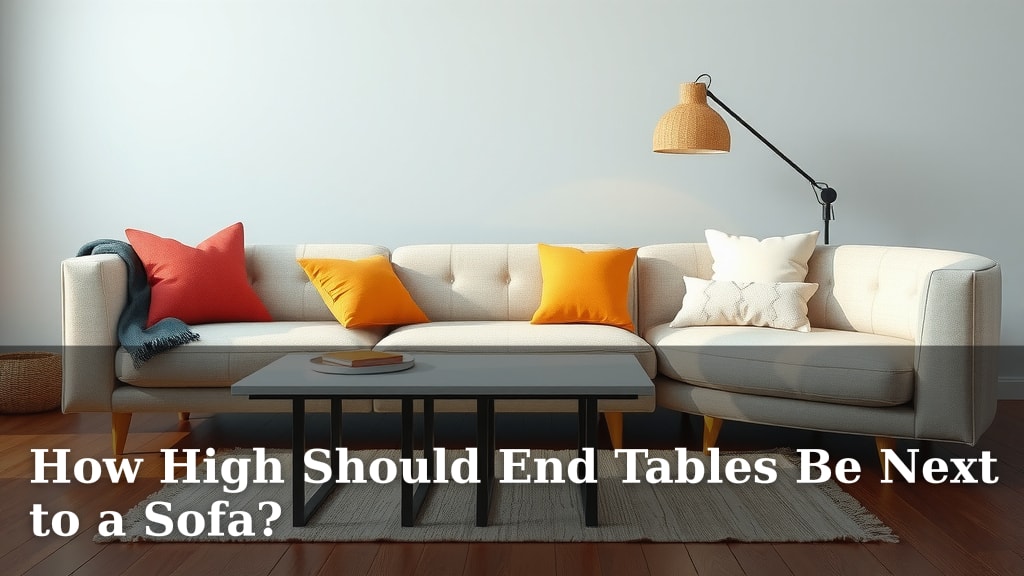
How High Should End Tables Be Next to a Sofa?
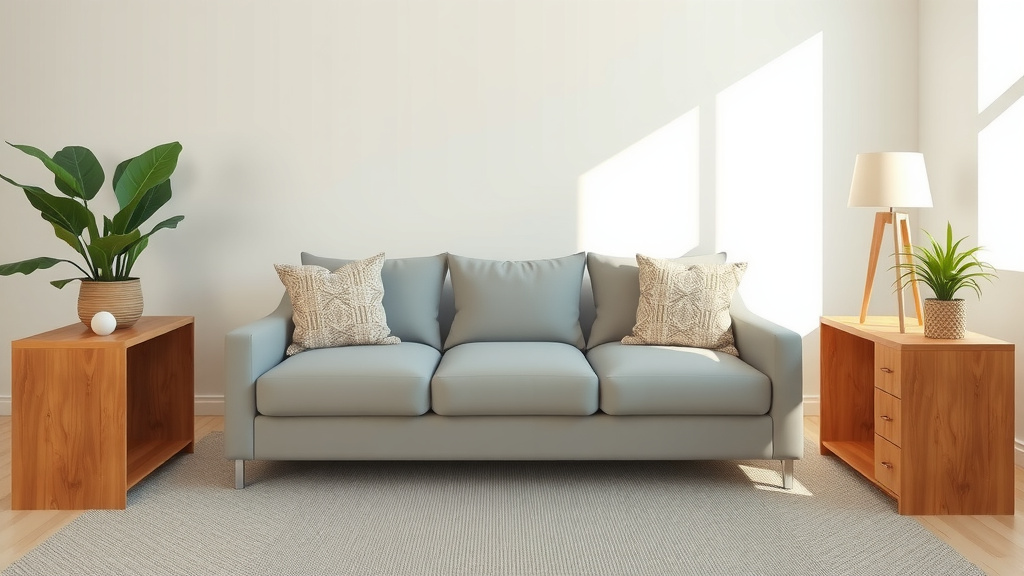
The ideal height for an end table next to your sofa is typically around the same height as your sofa’s armrest, or just slightly taller. This ensures you have a convenient surface for drinks, remotes, and decor without creating an awkward visual or functional disconnect. Getting this right makes your living space feel more put-together and usable.
When choosing an end table, think about how you use your sofa. Do you often set down a full drink? Do you need space for a lamp? The height affects practicality and flow. Many interior design resources agree that matching the armrest height is a great starting point for achieving balance and ease.
- Sofa armrest height is your best guide.
- Aim for a table that’s the same height or just a bit taller.
- This ensures easy access to your surface.
- It also creates a visually balanced look.
Let’s walk through exactly how to measure and what to consider when picking the perfect height for your end tables.
Finding the Right Height for Your End Tables
You’ve got your comfy sofa, maybe a great lamp, and then… the end table. This little surface can make or break your living room’s functionality. So, how high should these tables actually be next to your sofa? The sweet spot is usually right around the height of your sofa’s armrest, or perhaps just an inch or two taller. This is your golden rule for a **perfectly placed** end table.
Why Armrest Height is Your Best Friend
Think about it: when you’re settled in with a good book or movie, what’s within easy reach? Your armrest, right? If your end table is at that same level, placing a drink, your phone, or the remote becomes effortless. You don’t have to stretch awkwardly or strain to reach. It’s about creating a **natural and comfortable** zone.
Many interior designers and furniture makers agree on this principle. It’s not just about convenience; it’s also about visual harmony. An end table that’s too short can look like it’s lost next to a taller sofa. Conversely, one that’s way too tall can feel overwhelming. Matching the armrest height creates a **visually pleasing line**.
Measuring for Success: Your Sofa’s Armrest
Let’s get practical. How do you know your sofa’s armrest height? It’s simple! Grab a tape measure.
- Measure from the floor to the top of your sofa’s armrest.
- Note this measurement down. This is your target height range for an end table.
Most standard sofa armrests fall between 22 and 26 inches from the floor. This gives you a good starting point for your search. Don’t forget that armrests can vary in thickness and shape, so always measure your specific sofa. A little accuracy goes a long way for a **perfectly functional** setup.
Considering Other Factors for End Table Height
While armrest height is your main guide, a few other things can influence your decision. Are you planning to put a lamp on your end table? Do you have a lot of decorative items you want to display? These details matter!
The Case for Taller End Tables
Sometimes, you might want an end table that’s a bit taller than your armrest. This is often the case if you plan to use it for more than just drinks and remotes. For instance, if you want to place a reading lamp on the table, a slightly taller surface can help direct the light downwards onto your seating area. It keeps the light source at a more **useful and accessible** height.
We found that many people opt for end tables that are about 1-2 inches taller than their sofa armrests, especially if they use them for reading or working. This extra height can make a big difference in functionality. It ensures your workspace or reading nook is **comfortably illuminated**.
When Shorter End Tables Might Work
Are there ever times when a shorter end table is okay? Generally, it’s less ideal for immediate reach. However, if your sofa is particularly low to the ground, or if you prefer a more minimalist look with minimal items on the table, a slightly shorter option might blend in. Still, strive to keep it as close to the armrest height as possible for the **best usability**.
A table that’s significantly shorter than your armrest can feel a bit out of place. It might also make it awkward to place items down. Think of it like a small child trying to reach something on a high shelf – not the most convenient!
The Importance of Lamp Height
If you’re planning to place a table lamp on your end table, consider the lamp’s overall height. The ideal scenario is that the base of the lampshade sits at or slightly above the eye level of someone sitting on the sofa. This prevents glare. If your end table is too short, the lampshade might end up too low, causing discomfort. A table that’s the same height or slightly taller than the armrest often works best for lamp placement, creating a **balanced and glare-free** ambiance.
We’ve seen many setups where the lamp feels awkwardly placed because the end table wasn’t the right height. The shade was either too high or too low. For optimal lighting and style, coordinate your end table height with your lamp choice. This ensures your lighting is both **functional and attractive**.
End Table Height and Sofa Style
The style of your sofa can also play a role. Modern, low-profile sofas might pair well with end tables that are closer to the floor. However, even with these styles, maintaining a relationship with the armrest height is key. Traditional sofas with higher arms usually demand end tables that match that height to maintain a **harmonious look**.
Consider the overall proportions of your furniture. A very tall sofa with a tiny, short end table just won’t look right. It’s about creating a cohesive look where each piece feels like it belongs. This balance is what makes a room feel **professionally designed**.
A Quick Checklist for Your End Table Height
Ready to make a decision? Here’s a handy checklist to guide you:
- Measure your sofa’s armrest height from the floor.
- Aim for an end table that matches this height, or is 1-2 inches taller.
- Consider what you’ll place on the table (drinks, lamps, decor).
- Think about the visual line created with your sofa’s armrest.
- Ensure the height works well for any lamps you plan to use.
- Prioritize convenience and comfort for easy access.
Conclusion
You’ve learned that the best end table height is usually aligned with your sofa’s armrest, or just an inch or two taller. This simple guideline creates effortless convenience and a visually pleasing balance in your living room. Remember to measure your specific sofa armrest to find your target height. Consider your lamp and decor needs to fine-tune the perfect match.
Don’t stress too much about perfection; aim for a height that feels natural and comfortable for you. Now, go ahead and find that end table that will complete your cozy seating area!
Frequently Asked Questions
What if my sofa has different height armrests?
If your sofa has asymmetrical armrests, we recommend measuring the lower one. This ensures you don’t have an end table that feels too tall for comfortable reach. You can then place the table next to the lower armrest for best accessibility.
Is it okay if my end table is much shorter than my sofa’s armrest?
Generally, it’s best to avoid end tables that are significantly shorter than your sofa’s armrest. This can make reaching for items awkward and create an unbalanced look. We found that keeping it close to armrest height offers the most usability.
Do I need to worry about end table height if I don’t use lamps?
Even if you don’t use lamps, end table height is still important for practicality. You’ll want easy access for drinks, remotes, and decor. Aligning with armrest height ensures a convenient surface without awkward stretching.
What if my sofa is a modular sectional with varied heights?
For modular sectionals, measure the armrest height of the specific piece where you plan to place the end table. If you have multiple end tables, you might need different heights to match each section’s armrest for consistent comfort.
Can I use an end table that’s significantly taller than my sofa’s armrest?
While it’s possible, a significantly taller end table can feel overwhelming and make reaching items difficult. We found that 1-2 inches taller is usually the maximum recommended for optimal function and aesthetics. Anything more can disrupt the visual flow.
![10 Best Cushion Inserts For Sofa [2026]](https://hometopaccesories.com/wp-content/uploads/2026/09/10-best-cushion-inserts-for-sofa-2026-featured-768x432.jpg)
![10 Best Budget Sectional Sofa [2026]](https://hometopaccesories.com/wp-content/uploads/2026/08/10-best-budget-sectional-sofa-2026-featured-768x432.jpg)
![10 Best Choice Products Outdoor Convertible Acacia Wood Futon Sofa [2026]](https://hometopaccesories.com/wp-content/uploads/2026/09/10-best-choice-products-outdoor-convertible-acacia-wood-futon-sofa-2026-featured-768x432.jpg)