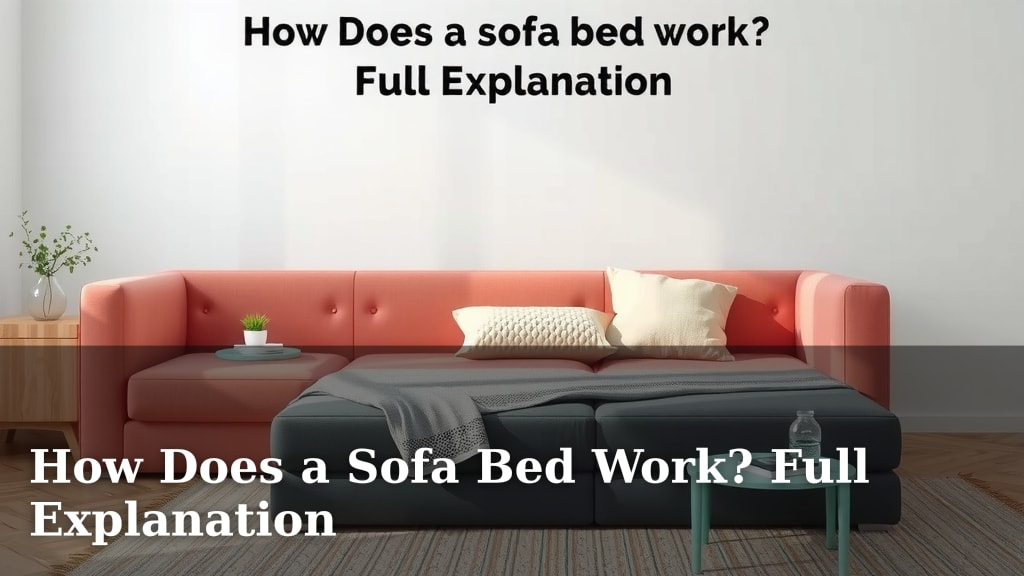
How Does a Sofa Bed Work? Full Explanation
A sofa bed works by hiding a mattress within its frame. When you need a bed, you unfold the mechanism. It’s a clever way to save space in your home. These sofa beds are great for guests or small apartments. They offer seating and sleeping in one piece of furniture. You can find many types of sofa beds available.
The magic is in the hidden mattress and the folding frame. Different designs exist, from simple pull-outs to more complex convertible types. Many people find them a practical solution for maximizing living space. We’ll look at how these systems function, so you know what to expect.
- Sofa beds hide a mattress inside.
- A folding mechanism lets you access the bed.
- They save space by combining seating and sleeping.
- Many designs are available for different needs.
Let’s walk through exactly how a sofa bed works, step by step, so you can see the genius behind them!
Understanding How Sofa Beds Operate
Sofa beds are fantastic space-saving wonders. They provide a comfy couch for your living room and a bed for overnight guests. You might be wondering about the mechanics behind them. How does that sofa magically transform into a bed? It’s all about clever engineering and a hidden mattress.
The Basic Components of a Sofa Bed
At its heart, a sofa bed is two pieces of furniture in one. You have the sofa’s frame and cushioning. Then, you have the hidden mattress and its supporting mechanism. This mechanism is usually made of metal or wood. It’s designed to fold and unfold smoothly.
The Sofa Structure
The sofa part looks and feels like a regular couch. It has a frame, cushions for seating, and often back cushions. The upholstery is the same as you’d find on any sofa. This is the part you see and use daily for lounging.
The Hidden Bed Mechanism
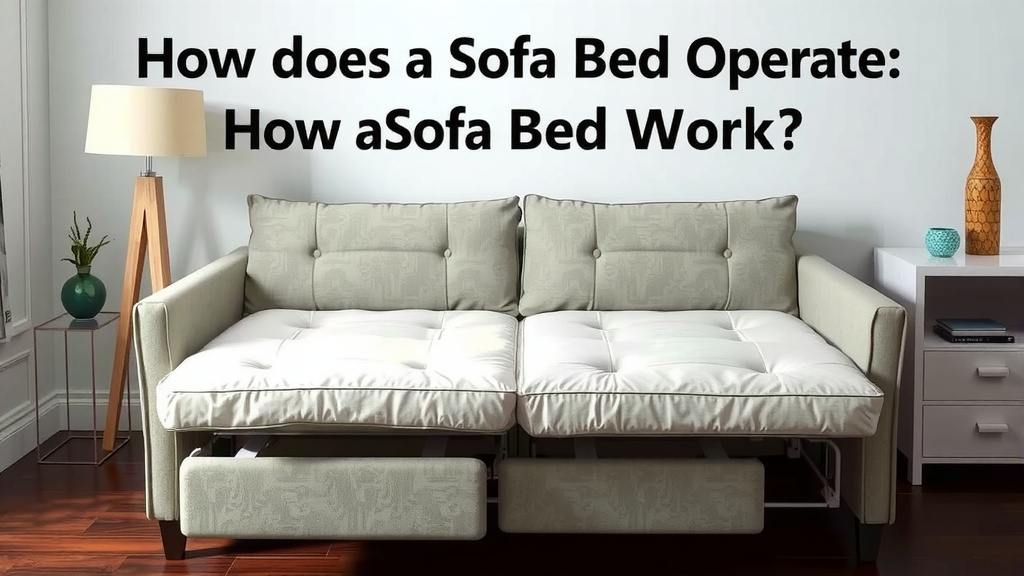
This is where the magic happens. The bed mechanism is built into the sofa frame. It’s designed to hold the mattress when it’s not in use. Think of it as a series of hinged metal or wooden bars. These bars fold up, tucking the mattress neatly beneath the sofa cushions.
The Transformation Process: Unfolding the Bed
Converting your sofa bed is usually straightforward. Most designs require just a few simple steps. You’ll typically remove any loose cushions first. These are usually the seat and back cushions.
Step 1: Accessing the Mattress Frame
Next, you’ll need to access the folded mattress. This is often done by lifting a flap or a specific part of the sofa’s base. Some models have a pull handle. You’ll pull this to start unfolding the frame.
Step 2: Unfolding the Bed Frame
Once you start unfolding, the metal or wooden frame extends. It’s like opening a book or a fan. This action reveals the mattress. The frame is designed to lock into place when fully extended. This provides a stable sleeping surface. You’ll want to make sure it clicks or locks securely.
Step 3: Preparing the Mattress
The mattress itself is usually thinner than a standard bed mattress. This allows it to fold compactly. It might be made of foam, springs, or a combination. Sometimes, you might feel the frame underneath. Adding a mattress topper can make it more comfortable. Many experts recommend this for better sleep quality (Cleveland Clinic).
Different Types of Sofa Bed Mechanisms
Not all sofa beds work in exactly the same way. Several popular mechanisms are used. Each has its own pros and cons. Understanding these can help you choose the right one for your needs.
The Traditional Sofa Bed (Pull-Out)
This is the most common type. It’s what most people picture when they think of a sofa bed. You pull a handle to unfold the metal frame and mattress. The mattress typically folds in two or three sections. It lies flat on top of the extended frame.
The Futon Sofa Bed
Futons are a bit different. They don’t have a hidden mattress mechanism. Instead, the sofa back folds down to meet the seat. This creates a flat sleeping surface. The mattress is usually a single piece that lies over this structure. They are often simpler and more affordable.
The Click-Clack Sofa Bed
These are very straightforward. The back of the sofa “clicks” into different positions. It can be a sofa, a recliner, or a flat bed. There’s no separate mattress to unfold. You just push the back until it lies flat.
The Storage Sofa Bed (with Chaise)
Some modern sofa beds include storage. Often, the chaise lounge section lifts up. This reveals a storage space underneath. This is perfect for blankets and pillows. The bed mechanism might still be a pull-out style within the main sofa.
What to Expect When Sleeping on a Sofa Bed
A sofa bed is a wonderful convenience. However, sleeping on one can be different from a traditional bed. The mattress is usually thinner to allow for folding. You might feel the support bars or springs through the mattress. This is why a mattress topper can be a real game-changer.
We found that comfort levels vary greatly. It depends on the mattress quality and the frame design. Some are surprisingly comfortable for a night or two. Others might leave you feeling a bit stiff. Think about how often you’ll use it. For occasional guests, most sofa beds do the trick. For daily use, you might want to invest in a higher-end model or a topper.
Choosing the Right Sofa Bed for Your Space
When selecting a sofa bed, consider the mechanism. Think about how easy it is to operate. Would you prefer a pull-out or a futon style? Also, measure your space carefully. Ensure there’s enough room to fully extend the bed. We also suggest checking the mattress thickness and material.
Here’s a quick checklist to help you decide:
- Measure your available space (sofa and bed form).
- Check the ease of the unfolding mechanism.
- Consider the mattress thickness and comfort.
- Think about the style and material of the sofa.
- Decide if you need extra features like storage.
- Read reviews on durability and long-term comfort.
You want a sofa bed that fits your lifestyle. It should be functional for seating and comfortable for sleeping. With the right choice, you can easily accommodate guests without sacrificing style or space.
Conclusion
You’ve learned how sofa beds cleverly combine seating and sleeping. The core magic lies in their folding mechanisms and hidden mattresses. From traditional pull-outs to simpler futon styles, each type offers a unique way to save space. While comfort can vary, understanding the options helps you find the perfect fit for your home. Now, you’re ready to choose a sofa bed that works for you.
Your next step is to measure your space and consider which mechanism best suits your needs. Think about how often you’ll use it and how much comfort is important. This will guide you to a functional and stylish piece of furniture.
Frequently Asked Questions
Are sofa beds comfortable enough for everyday sleeping?
For many sofa beds, everyday sleeping might be a stretch. The mattresses are often thinner to allow for folding. We found that adding a mattress topper can significantly improve comfort for regular use. Higher-end models tend to offer better mattress quality.
How much space do I need to open a sofa bed?
You need enough room to fully extend the bed frame. This is typically longer than the sofa itself. Always measure the dimensions of the sofa bed in its open, bed form before purchasing. Ensure you have clearance for feet and walking around.
What’s the difference between a futon and a traditional sofa bed?
A traditional sofa bed has a mattress hidden inside a metal frame that pulls out. A futon sofa bed uses its backrest, which folds down to create a flat sleeping surface. The mattress on a futon usually lies on top of this structure.
Can I feel the sofa bed frame when I’m sleeping on it?
It’s possible to feel the frame or springs, especially on older or less expensive models. This is due to the thinner mattresses designed for folding. Using a thick mattress topper is a great way to prevent feeling the frame and enhance comfort.
Are sofa beds difficult to set up and take down?
Most sofa beds are designed for easy operation. Traditional pull-out types usually involve lifting a handle and unfolding. Futons and click-clack styles often just require folding the back down. We recommend checking the mechanism in person if possible.
![10 Best Branded Sofa Sets [2026]](https://hometopaccesories.com/wp-content/uploads/2026/08/10-best-branded-sofa-sets-2026-featured-768x432.jpg)
![10 Best Buy Sectional Sofa [2026]](https://hometopaccesories.com/wp-content/uploads/2026/08/10-best-buy-sectional-sofa-2026-featured-768x432.jpg)