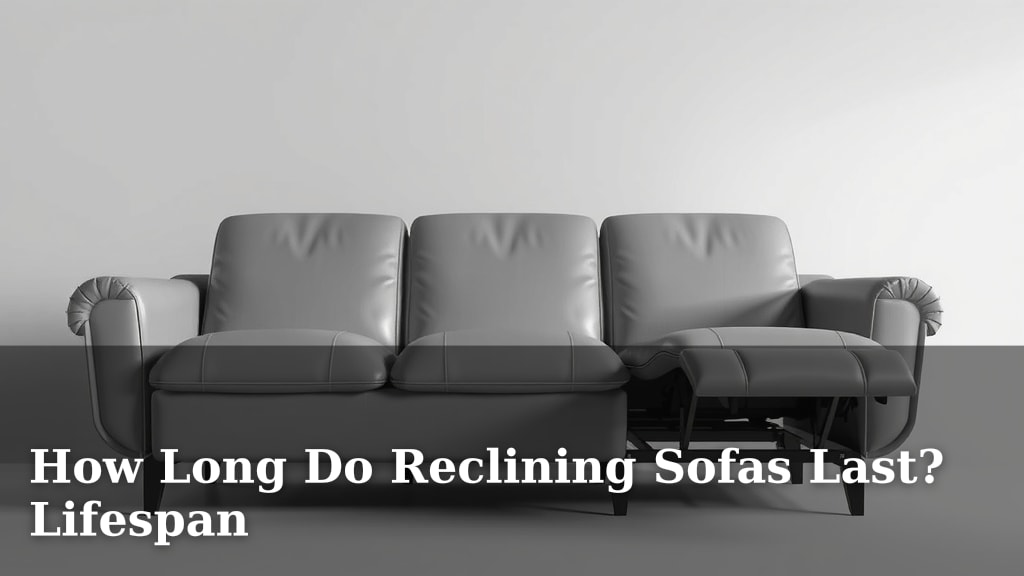
How Long Do Reclining Sofas Last? Lifespan
So, how long do reclining sofas really last? You can expect your comfortable recliner to last anywhere from 7 to 15 years with proper care. This lifespan depends heavily on the quality of materials and how well you maintain it.
A well-made reclining sofa can be a fantastic investment for your living room. Think about all the relaxation you’ll get! We found that factors like the type of frame, the mechanism, and even the upholstery play a big role in its longevity.
- Lifespan: Typically 7-15 years.
- Key Factors: Frame material, mechanism quality, and upholstery.
- Maintenance Matters: Regular cleaning and checks extend life.
- Usage Frequency: Heavy use can shorten its life.
- Quality is Key: Higher initial cost often means longer life.
Let’s walk through exactly what influences your recliner’s lifespan and how you can maximize it, so you get the most comfort possible!
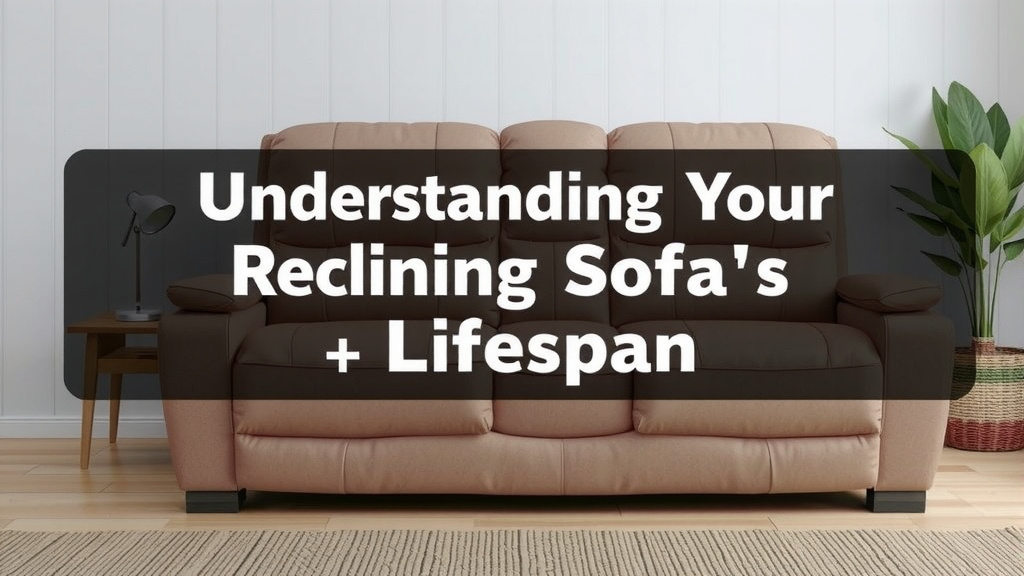
Understanding Your Reclining Sofa’s Lifespan
So, you’re wondering how long your cozy reclining sofa is likely to stick around, right? We’ve looked into it, and the general consensus is that you can expect your reclining sofa to last between 7 to 15 years. This isn’t a hard and fast rule, though. Many things influence this number, much like how a car’s mileage depends on how you drive it and how well you maintain it.
Think of your recliner as a long-term companion for your relaxation. To get the most out of it, understanding the factors that contribute to its lifespan is key. We found that the quality of the materials used and how you care for it play the biggest roles.
The Anatomy of a Recliner: What Makes It Last?
When we talk about a reclining sofa’s lifespan, we’re really talking about a few key components working together. It’s not just the fabric you see; it’s the engine under the hood, so to speak.
The Frame: The Sofa’s Backbone
The frame is literally the skeleton of your sofa. It has to support all the weight and withstand all the reclining action. Most quality frames are made from hardwood, like oak or ash. This is great because hardwood is strong and durable. Cheaper frames might use particleboard, plywood, or even metal. While these can work, they often don’t hold up as well over time.
We found that a solid hardwood frame is a big indicator of a sofa built to last. It provides a stable base that won’t warp or break under pressure. If you can, look for frames that are kiln-dried. This process removes moisture, making the wood less likely to crack or twist.
The Mechanism: The Heart of the Recline
This is where the magic happens – the levers, springs, and joints that allow you to kick back. The quality of the reclining mechanism is hugely important for how long your sofa functions smoothly. Steel mechanisms are generally considered the most durable. They can handle repeated use without bending or seizing up.
Some mechanisms are better designed than others. We found that well-lubricated, heavy-gauge steel parts tend to last the longest. You’ll often see mechanisms that are riveted or welded for extra strength. If a manufacturer offers a good warranty on their mechanism, that’s usually a positive sign.
How often do you use it? This is a big one. If your family uses the reclining feature multiple times a day, every day, it’s going to experience more wear and tear than a sofa used only occasionally. Think of it like the tires on your car; frequent use means they’ll wear out faster.
The Upholstery: The Sofa’s Outer Wear
The fabric or leather your sofa is covered in also affects its lifespan. Different materials have different durability ratings. Leather, for example, is known for its longevity. High-quality top-grain leather can last for many years and often develops a beautiful patina over time.
Fabrics vary widely. We found that synthetic fibers like polyester or microfiber are often quite durable and resistant to stains and wear. Natural fibers like cotton can be comfortable but might be more prone to snagging or fading. Always check the fabric’s rub count (or Wyzenbeek/Martindale rating) if you can. A higher number means it’s more durable.
Factors That Shorten Your Sofa’s Life
Even the best-made sofa won’t last forever if it’s not treated with a little care. You might be surprised at how much daily habits can impact your sofa’s longevity.
Rough Usage Habits
Jumping on the sofa, letting kids use it as a fort, or constantly banging the recliners shut can put excessive stress on the frame and mechanism. We found that treating your sofa gently is one of the best ways to ensure it lasts. Imagine how long a delicate piece of machinery would last if you were rough with it!
Lack of Cleaning and Maintenance
Dirt and grime can wear down upholstery over time. Spills that aren’t cleaned properly can lead to stains and damage to the fabric or leather. Dust and debris can also get into the reclining mechanism, causing it to stick or even break.
Direct Sunlight Exposure
Placing your sofa in direct sunlight can cause the upholstery to fade and degrade. This is true for both fabric and leather. Over time, the sun’s UV rays can make the material brittle or discolored. We found that keeping your sofa away from windows or using blinds can really help protect it.
Maximizing Your Reclining Sofa’s Lifespan: A Simple Checklist
Want to get the most out of your investment? A little bit of attention goes a long way. Here’s a quick rundown of things you can do:
- Regular Cleaning: Vacuum your sofa weekly to remove dust and crumbs. Wipe down leather regularly with a damp cloth.
- Spot Treat Spills Immediately: Blot spills gently with a clean cloth. Don’t rub!
- Check the Mechanism: Occasionally, make sure the recline and return actions are smooth. A little lubrication might help if it’s stiff.
- Avoid Direct Sunlight: Position your sofa away from windows or use curtains to block harsh rays.
- Gentle Use: Encourage family members to operate the recliners smoothly. Avoid jumping or roughhousing.
- Follow Manufacturer’s Instructions: Always check the care tag or manual for specific cleaning and maintenance advice.
Quality vs. Cost: Making the Right Choice
You often get what you pay for when it comes to furniture. While a budget recliner might seem appealing upfront, it may not have the sturdy construction or durable mechanism needed for a long life. We found that sofas made with higher-quality materials and craftsmanship tend to cost more initially but offer a much better return on investment over time.
Consider the materials: kiln-dried hardwood frames, heavy-gauge steel mechanisms, and high-performance upholstery will generally cost more. But they also mean fewer repairs and a longer lifespan. Think about it like buying shoes; a cheap pair might feel okay for a week, but a well-made pair can last you years.
When you’re shopping, don’t be afraid to ask about the construction. Ask about the frame material, the type of reclining mechanism, and the upholstery’s durability rating. A good salesperson should be able to provide this information. We found that brands known for quality often offer longer warranties, which can be a good indicator of confidence in their product’s longevity.
Conclusion
You’ve learned that your reclining sofa can be a trusty companion for years to come, typically lasting 7 to 15 years. We’ve seen how the foundation of your sofa—its frame and mechanism—plays a massive role, alongside the durability of your upholstery. Remember, how you treat it matters just as much!
By keeping up with simple cleaning and handling it with care, you can definitely push that lifespan to its maximum. So, go ahead and enjoy that recline, knowing you’re investing in comfort that lasts. Your next step is to apply these maintenance tips to your current sofa and keep it feeling great for years.
Frequently Asked Questions
Can a reclining sofa’s mechanism be repaired?
Yes, often a reclining sofa’s mechanism can be repaired. If you notice stiff movement or a part not engaging, you might just need a simple lubrication or adjustment. For more serious issues like a broken spring or bent metal, a furniture repair specialist can often help.
How do I know if I’m buying a good quality reclining sofa?
Look for solid hardwood frames, preferably kiln-dried, and heavy-gauge steel reclining mechanisms. Ask about the upholstery’s durability rating, like the rub count. Brands that offer longer warranties are also usually a good sign of quality construction.
Is leather upholstery better for reclining sofa longevity?
Generally, high-quality leather, especially top-grain, is very durable and can last a very long time. It often ages gracefully, developing a patina. While some performance fabrics can rival leather’s durability, leather is a solid choice if longevity is your top priority.
What are the biggest enemies of a reclining sofa’s lifespan?
Rough use, like jumping or letting children roughhouse on it, puts immense stress on the frame and mechanism. Additionally, harsh cleaning chemicals, constant direct sunlight exposure that fades upholstery, and neglecting to clean spills promptly can significantly shorten its life.
Should I be concerned about the weight capacity of a reclining sofa?
Yes, you should absolutely be aware of the weight capacity. Exceeding the manufacturer’s recommended limit can strain the frame, springs, and mechanism, leading to premature wear and potential failure. Always check the specifications, especially if multiple people plan to use the recliner at once.


![10 Seat Reclining Sofa [2026]](https://hometopaccesories.com/wp-content/uploads/2026/08/10-seat-reclining-sofa-2026-featured-768x432.jpg)