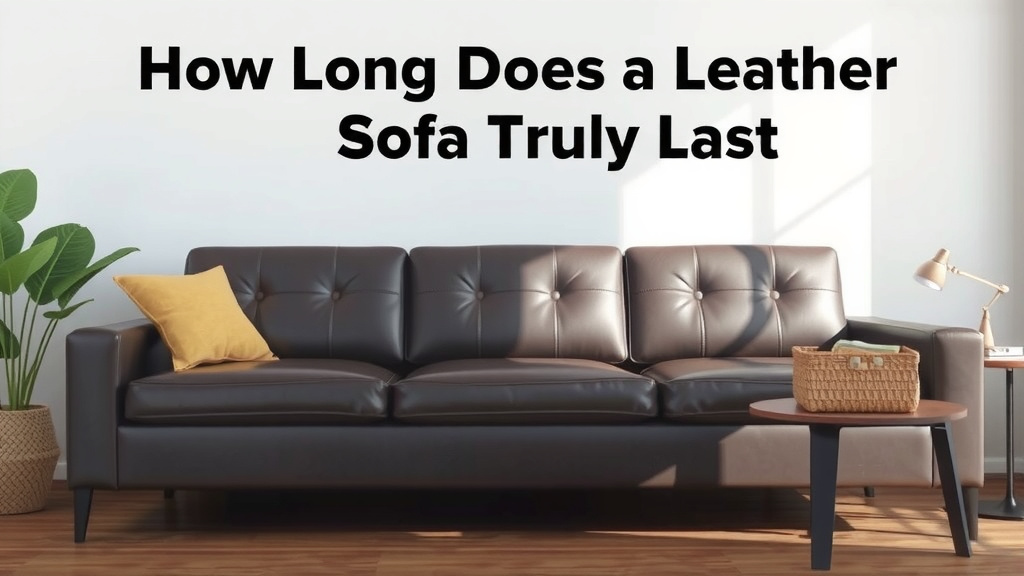
How Long Does a Leather Sofa Truly Last
Your leather sofa can last for decades, often 10 to 20 years, with proper care. The lifespan really depends on the quality of the leather and how well you maintain it. Think of it as an investment that gets better with age if you treat it right!
We found that the type of leather, the frame’s construction, and your daily use all play a big role. High-quality full-grain leather, for instance, is incredibly durable. Conversely, a cheap bonded leather won’t hold up nearly as long. It’s about understanding what you’re buying and then giving it the TLC it deserves to keep it looking great.
- General Lifespan: Expect 10-20 years with good care.
- Key Factors: Leather quality, frame strength, and maintenance matter most.
- High Quality: Full-grain leather lasts longer than bonded leather.
- Care is Key: Regular cleaning and conditioning extend its life.
So, how can you ensure your beautiful leather sofa stands the test of time? Let’s break down what makes a leather sofa last and how you can maximize its lifespan.
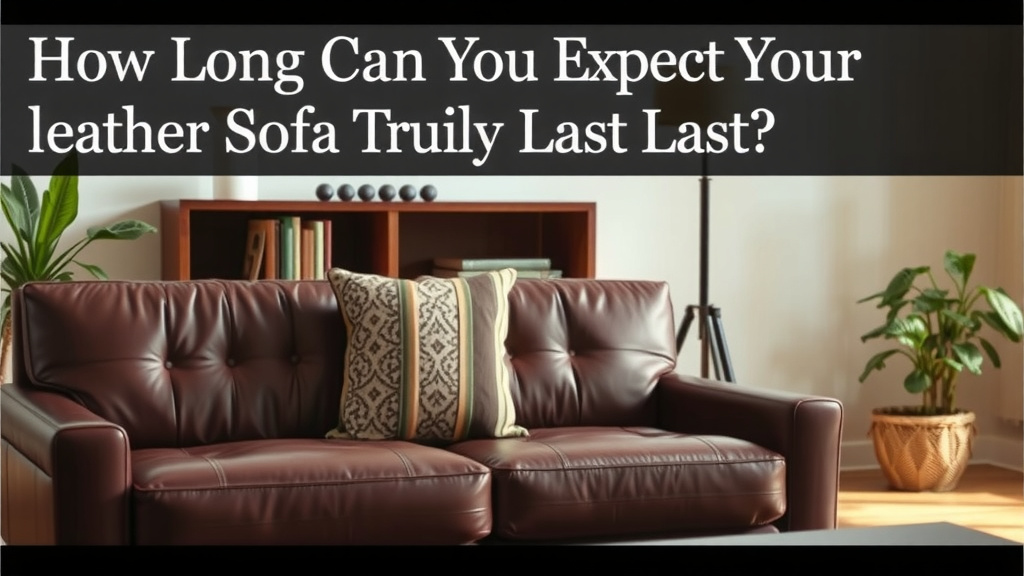
“`htmlHow Long Can You Expect Your Leather Sofa to Last?
Generally, a quality leather sofa can last between 10 to 20 years. Some can even last much longer. It’s not uncommon for well-maintained leather couches to become family heirlooms. Think of it as a fine wine; it often gets better with age.
But what really makes one sofa last a lifetime while another fades in a few years? Several factors come into play. We’ve looked into what gives a leather sofa its staying power. It boils down to the material, how it’s built, and how you treat it every day.
The Major Factors Influencing Your Sofa’s Lifespan
Leather Quality: The Foundation of Durability
The type of leather your sofa is made from is perhaps the **biggest determinant** of its longevity. Not all leather is created equal, and this is where you see the most significant differences in how long it will last.
Full-Grain Leather: The Gold Standard
If you want a sofa that lasts for decades, look for full-grain leather. This is the highest quality leather available. It uses the entire grain of the hide, leaving natural markings intact. This makes it incredibly strong and durable. We found that full-grain leather is naturally resistant to wear and tear. It also develops a beautiful patina over time, making it look even better as it ages.
Top-Grain Leather: A Solid Choice
Next in line is top-grain leather. It’s also made from the top layer of the hide. However, the surface has been sanded or buffed to remove imperfections. This makes it look more uniform but slightly less durable than full-grain. Many experts say top-grain leather is still a very good option and will provide many years of use.
Genuine Leather: A Step Down
This is often where confusion starts. “Genuine leather” doesn’t mean it’s the best. In fact, it’s typically made from the layers of the hide left after the top grain is removed. It’s then often corrected and embossed with a grain pattern. We found that genuine leather is more susceptible to damage and wear. Its lifespan is generally shorter than full or top-grain.
Bonded Leather: The Shortest Lifespan
This material is made from shredded leather scraps that are bonded together with adhesives and then pressed into a sheet. It looks like leather but lacks the durability and strength. Many consumers found that bonded leather can start to peel or crack within a few years. If longevity is your goal, you’ll want to avoid bonded leather.
Frame Construction: The Sofa’s Skeleton
Even the best leather can’t save a sofa with a weak frame. The internal structure is just as important as the upholstery. A well-built frame ensures your sofa can handle years of sitting, lounging, and perhaps even playful jumping (though we don’t recommend that!).
Hardwood Frames: The Most Durable
Frames made from kiln-dried hardwood, like oak, maple, or ash, are the most durable. Many manufacturers say these frames are less likely to warp or crack over time. They provide a strong and stable base for your sofa. We found that metal frames can also be very durable, especially those designed for high-traffic use.
Engineered Wood and Particle Board: Less Durable Options
Frames made from engineered wood, plywood, or particle board are more budget-friendly. However, they are generally less robust. These materials can be prone to breaking or separating under stress. If your sofa’s frame is made from these, you might notice creaking or sagging sooner.
Internal Support System: Springs and Webbing
How the cushions are supported also impacts how long your sofa lasts. The spring system is designed to provide comfort and support.
Eight-Way Hand-Tied Springs
This is considered the gold standard for spring systems. Each spring is hand-tied to eight other springs. This distributes weight evenly and prevents sagging. It’s a sign of a high-quality, durable sofa.
Sinuous Springs
Sinuous springs are S-shaped and run from front to back. They are a good, durable option and commonly found in mid-to-high-end sofas. We found they offer good support and longevity when properly installed.
Webbing
Some sofas use webbing for support. This can be durable if it’s made of strong, tightly woven material. However, it’s generally less supportive than a good spring system over the long haul.
Your Role: Maintenance and Care for Longevity
Now that you know what makes a sofa durable, let’s talk about what you can do to ensure yours lasts as long as possible. Regular care makes a huge difference.
Regular Cleaning: Dust and Debris Prevention
Dust and dirt can act like fine sandpaper on leather. Over time, this can wear down the finish and the leather itself. You should vacuum your sofa regularly using a soft brush attachment. This removes loose debris before it can cause damage. Many cleaning experts suggest doing this at least once a week.
Conditioning: Keeping Leather Supple
Leather is skin, and like your own skin, it can dry out. This leads to cracking. Conditioning your leather sofa two to four times a year is essential. Use a quality leather conditioner specifically designed for upholstery. This replenishes the oils in the leather, keeping it soft, supple, and resistant to cracking. We found that skipping conditioning can significantly shorten your sofa’s life.
Dealing with Spills Promptly
Accidents happen! If you spill something on your leather sofa, blot it immediately with a clean, dry cloth. Avoid rubbing, as this can spread the stain. For most spills, a slightly damp cloth may be sufficient. Never use harsh chemicals or abrasive cleaners. These can strip the leather’s finish and cause permanent damage. Many sources suggest a simple solution of mild soap and water for tougher spots, but always test in an inconspicuous area first.
Sunlight and Heat: The Silent Killers
Direct sunlight and heat sources can cause leather to fade, dry out, and crack prematurely. Try to position your sofa away from direct sun exposure. Keep it at a reasonable distance from fireplaces, radiators, or heating vents. Protecting your sofa from these elements is a simple yet highly effective way to preserve its appearance and integrity.
Pet Paws and Sharp Objects: A Delicate Balance
If you have pets, you know they love to lounge. However, their claws can easily scratch and puncture leather. Consider using throws or blankets in areas where your pets frequently sit. Similarly, be mindful of sharp objects like keys, rivets on jeans, or even certain decorative items that might be placed on the sofa. Taking these small precautions can prevent unnecessary damage.
Professional Cleaning and Protection
For a deeper clean or to address stubborn stains, consider professional leather cleaning. Professionals have the right tools and products to clean your sofa safely and effectively. They can also apply protective treatments that add an extra layer of defense against spills and wear. Many furniture care guides recommend a professional deep clean every 1-2 years.
Here’s a quick checklist to keep your leather sofa in top shape:
- Vacuum weekly with a soft brush attachment.
- Condition every 3-6 months with a quality leather conditioner.
- Wipe up spills immediately with a clean cloth.
- Keep sofa out of direct sunlight and away from heat sources.
- Use throws or blankets in pet-frequented areas.
- Consider professional cleaning every 1-2 years.
Conclusion
You’ve learned that your leather sofa’s lifespan hinges on a few key elements. Quality leather, a strong frame, and consistent care are your best allies for longevity. Investing in a high-quality piece and committing to regular maintenance means you can enjoy your sofa for 10 to 20 years, or even longer. Don’t just buy a sofa; make a choice that ages gracefully with your home. Now, make a plan to incorporate that weekly vacuuming and quarterly conditioning into your routine. Your future self, relaxing on a beautiful, well-preserved sofa, will thank you!
Frequently Asked Questions
Will a leather sofa last longer than a fabric sofa?
Generally, yes. High-quality leather upholstery tends to be more durable and resistant to wear and tear than many common fabric types. We found that leather can often withstand more daily use and is easier to clean, contributing to a longer overall lifespan compared to many fabric sofas.
Can I prevent my leather sofa from cracking?
You absolutely can! Cracking is usually a sign of dryness. Regularly conditioning your leather sofa with a quality product, typically every 3-6 months, will keep it supple and prevent it from drying out and cracking. Keeping it out of direct sunlight and away from heat sources also helps immensely.
How does daily use affect my leather sofa’s lifespan?
Heavy daily use, especially by pets or children, can accelerate wear. Things like sharp objects, spills, and constant friction can damage the leather over time. Simple precautions, like using throws in high-traffic areas or wiping spills immediately, can significantly extend its life even with regular use.
Is it worth it to repair minor damage to a leather sofa?
For minor scratches or small tears, repair is often worthwhile and can prevent further damage. You can find leather repair kits for DIY fixes, or you can opt for professional services. Addressing small issues promptly helps maintain the sofa’s integrity and appearance, preserving its lifespan.
How often should I deep clean my leather sofa?
While regular dusting and conditioning are important, a deep clean is recommended less frequently. Most sources suggest a professional deep clean every 1-2 years, or when you notice significant dirt buildup or stubborn stains. This ensures the leather is thoroughly cleaned without compromising its finish.
![10 Seater Leather Sofa [2026]](https://hometopaccesories.com/wp-content/uploads/2026/08/10-seater-leather-sofa-2026-featured-768x432.jpg)


![10 Best Cushion Covers For Sofa [2026]](https://hometopaccesories.com/wp-content/uploads/2026/09/10-best-cushion-covers-for-sofa-2026-featured-768x432.jpg)