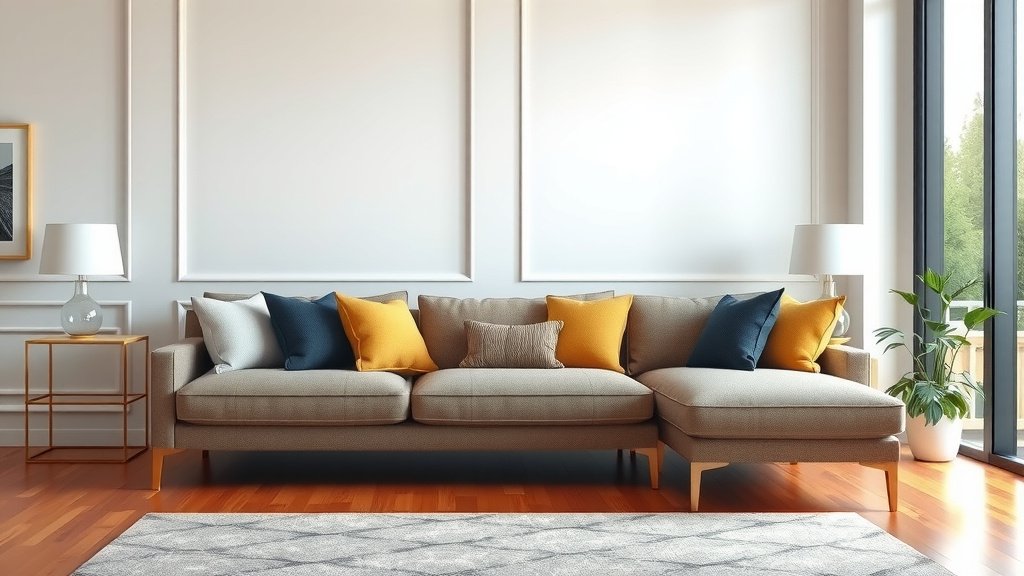
How Many Sofas Do You Need for Your Space
The number of sofas you should have depends on your Our guide can help you choose the right sofa for your needs.living space and how you plan to use it. For most homes, one comfortable sofa is plenty. Additional seating might be needed for larger rooms or frequent entertaining. Think about your lifestyle and room size first.
You don’t want your living room to feel cramped, but you also don’t want guests standing around. Consider your room’s overall layout and intended function. Having too few can make a room feel unfinished. Too many can make it feel cluttered and awkward to navigate. Balance is key.
- Most homes need just one primary sofa.
- Consider room size and function for more.
- Too few or too many can cause issues.
- Think about traffic flow and comfort.
- Your lifestyle guides the perfect number.
Let’s figure out the right number of sofas for your home. We’ll look at a few things that make a big difference.
Determining the Ideal Number of Sofas for Your Living Space
So, how many sofas are just right for your home? It’s not a one-size-fits-all answer. We’ve found that most homes do wonderfully with just one primary sofa. This often serves as the main anchor for your living area. But sometimes, your lifestyle or room size calls for more.
Assessing Your Living Room’s Size and Shape
Let’s start with the basics: your room. Is it a cozy nook or a sprawling great room? A large living space can easily accommodate more than one sofa. This allows for different conversation areas. A small room, on the other hand, might feel cramped with even one large sofa. Measure your space carefully.
Small Living Rooms: Less is More
For smaller rooms, one well-chosen sofa is usually your best bet. You might add a comfortable armchair or two later. This keeps the room feeling open and airy. Think about a sofa that’s proportionate to the room size. A sectional could also work, but ensure it doesn’t block walkways.
Medium-Sized Living Rooms: Room to Grow
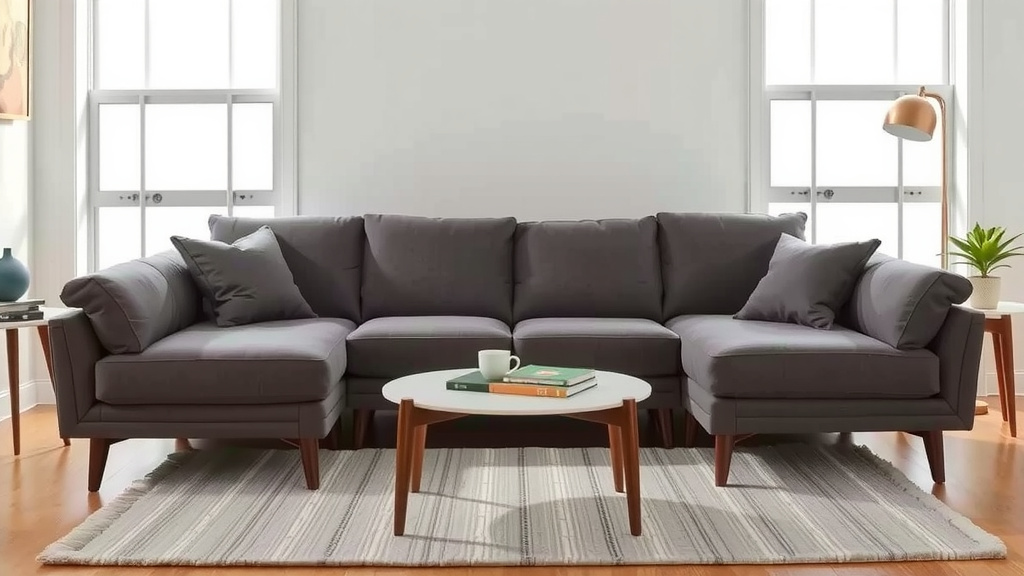
Medium rooms offer more flexibility. You can often get away with one large sofa and a couple of accent chairs. Or, perhaps a sofa and a loveseat. This setup encourages conversation. It also provides options for guests. You can create a U-shaped or L-shaped seating arrangement.
Large Living Rooms: Embracing Multiple Seating Zones
Big rooms are your canvas! Here, two sofas can create a beautifully balanced space. You might place them facing each other or perpendicular. This naturally divides the room into zones. You could have a main seating area and a secondary one for reading or quiet chats. Don’t forget to consider adding ottomans or benches for extra seating.
Considering Your Lifestyle and How You Use the Space
Now, let’s talk about you! How do you actually use your living room? Is it a hub for family movie nights, a place for formal entertaining, or a quiet retreat?
For the Entertainer: Seating for Everyone
If you love to host, seating is key. You’ll want enough spots for your guests to feel comfortable. For larger gatherings, think about multiple seating options. This could mean two sofas, plus accent chairs and poufs. We found that a good rule of thumb is to have seating for at least 1.5 times your typical guest count. This ensures no one is left standing.
For the Family: Comfort and Connection
Families often need seating that’s both durable and inviting. A large, comfortable sofa is usually central. You might add a loveseat or a few armchairs. This allows family members to spread out a bit. Or, for movie nights, a sectional can be a fantastic choice. It brings everyone together.
For the Solo Dweller or Couple: Intimacy and Space
If it’s just you or you and a partner, one main sofa might be all you need. You can supplement with a comfy chair. This creates a cozy, intimate setting. If you have a larger room, two smaller sofas facing each other can create a chic, conversational nook. This feels intentional, not overdone.
Traffic Flow and Furniture Arrangement
It’s not just about how many sofas you have, but where they go. Think about how people will move through the room. You need clear pathways. Avoid blocking doorways or windows. We found that leaving at least 18-24 inches between coffee tables and sofas is a good guideline (National Association of Home Builders).
When arranging multiple sofas, create a focal point. This could be a fireplace, a television, or a piece of art. Sofas can then be positioned to face this point or each other. Avoid pushing all furniture against the walls. Floating pieces can make a room feel larger and more dynamic.
The Power of Complementary Seating
Don’t forget other seating options! Sofas are great, but chairs, ottomans, benches, and even floor cushions can add a lot. These pieces can fill gaps, provide extra seating when needed, and add personality. They help break up the bulk of a sofa. They also offer different levels of comfort and support.
Think of your seating arrangement as a puzzle. The sofa is likely the largest piece. The chairs and other items are the supporting pieces that make the whole picture work. This mix ensures your living room is both functional and inviting for everyone.
Your Sofa Shopping Checklist
Before you make any decisions, run through this quick checklist:
- Measure your room dimensions accurately.
- Note any architectural features like windows or doors.
- Consider the primary use of your living space.
- Think about how many people you typically host.
- Visualize traffic flow and desired conversation areas.
- Don’t forget about smaller accent seating options.
Conclusion
Deciding how many sofas to get is all about balancing your space and your life. We’ve learned that one primary sofa often works perfectly for many homes. But if your living room is large, or you love to entertain, adding a second sofa or more seating can transform the room. Always consider your room’s size, shape, and how you actually use it. Your goal is a comfortable, functional space where everyone feels welcome. Now, take a look at your living room and measure your way to the perfect sofa setup.
Frequently Asked Questions
Can one sofa be enough for a large living room?
Yes, one sofa can absolutely be enough for a large living room. You can make it feel intentional by anchoring it with accent chairs, ottomans, or a large rug. This creates a cozy conversation area within the larger space. It also leaves room for other furniture or decorative elements.
What’s the best sofa arrangement for a small living room?
For a small living room, one well-proportioned sofa is usually best. Consider a loveseat or a slim-profile sofa to avoid overwhelming the space. Placing it strategically, perhaps on the longest wall, can maximize your open floor area. Adding a single armchair can supplement seating without making it feel crowded.
How many sofas do I need if I entertain frequently?
If you entertain often, you’ll likely need more than one sofa. Aim for seating that accommodates your typical guest count. This might mean two sofas facing each other or a sofa paired with a sectional. Don’t forget to include accent chairs and ottomans for flexible seating options.
Should I get two sofas or a sectional?
The choice between two sofas and a sectional depends on your room’s layout and your personal style. Two sofas can create a more traditional conversation area. A sectional is excellent for maximizing seating in a corner or for a more relaxed, modern feel. Measure carefully to see which fits your space and traffic flow best.
How can I make a single sofa feel complete in a large room?
To make a single sofa feel complete in a large room, use accessories and strategic placement. Add two comfortable accent chairs to face or sit perpendicular to the sofa. A large area rug can define the seating zone. Floor lamps and side tables also help create a cozy, contained area within the expansive space.


![10 Best Cat Proof Sofa Material [2026]](https://hometopaccesories.com/wp-content/uploads/2026/08/10-best-cat-proof-sofa-material-2026-featured-768x432.jpg)
![10 Best Brand Of Chesterfield Sofa [2026]](https://hometopaccesories.com/wp-content/uploads/2026/08/10-best-brand-of-chesterfield-sofa-2026-featured-768x432.jpg)