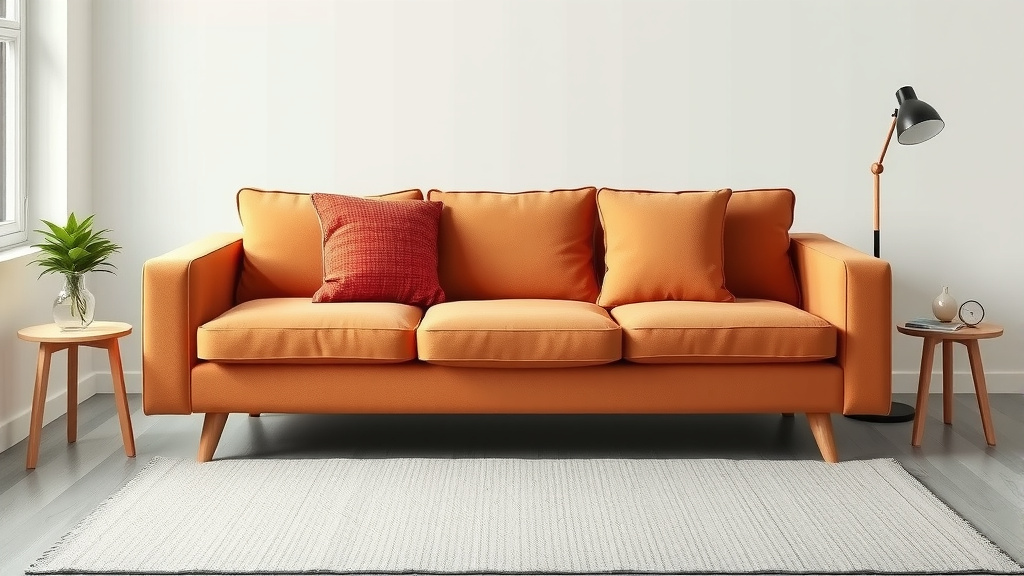
How Much Can I Sell My Sofa For in 2026
You can sell your sofa for anywhere from 10% to 70% of its original price, depending on its condition, age, brand, and style. A gently used, popular brand sofa might fetch a higher price, while an older, worn one will sell for much less. We found that condition is the biggest factor.
Pricing your sofa correctly is key to a quick sale. You want to be realistic about its worth. Consider its original cost and how much wear and tear it has experienced. Thinking about what buyers are willing to pay is important too. It’s a balance between getting your money back and finding a new home for your couch.
- Sofa price depends on condition, age, brand, and style.
- Expect to sell for 10-70% of the original price.
- Condition is the most important factor.
- Research similar sofas online for pricing ideas.
- Be realistic about your sofa’s value.
Let’s walk through how to figure out a fair price for your sofa so you can sell it quickly and easily.
What Your Used Sofa is Worth
Figuring out how much you can realistically sell your sofa for involves looking at a few key things. You’re aiming for a price that makes sense for both you and a potential buyer. We found that most used sofas can be sold for between 10% and 70% of their original purchase price. This range is pretty wide, right? That’s because so many factors play a role.
Condition: The Ultimate Dealbreaker
Let’s be honest, the condition of your sofa is king. A sofa that looks almost new will always fetch more than one with visible wear and tear. Think about it from a buyer’s perspective. They want something that feels clean and comfortable, not something that needs immediate repairs. We found that sofas with no stains, rips, or significant fading are the easiest to sell at a higher price point.
Assessing Your Sofa’s Condition
Take a good, hard look at your sofa. Are there any:
- Stains? Even small ones can be a turn-off.
- Tears or rips? These are usually a definite no-go for higher prices.
- Worn-out spots? Think about the arms, seat cushions, and where people rest their feet.
- Saggy cushions? If they don’t bounce back, they might need replacing.
- Pet damage? Scratches from cats or lingering odors from pets can significantly lower value.
- Smells? Odors from smoke, pets, or even just old furniture can deter buyers.
Be honest with yourself. If you wouldn’t happily sit on it without a second thought, a buyer probably won’t either. Many experts suggest that a sofa in excellent condition can command up to 70% of its original price. A sofa with minor wear might fall into the 40-60% range. Anything with noticeable flaws will likely be in the 10-30% range.
Age and Original Cost: Setting the Baseline
How old is your sofa? A sofa that’s only a year or two old will naturally hold more value than one that’s been around for a decade. Older furniture, even if well-maintained, often carries a lower price tag. We found that age is often linked to wear, but it’s also about current trends and material quality.
Your sofa’s original cost is also a good starting point for pricing. If you spent $3,000 on a high-end sectional a few years ago, you’ll likely price it higher than someone who bought a $500 sofa. However, don’t expect to get close to what you paid. That premium is for new items with warranties. You should aim for a fraction of that original price, considering the depreciation that comes with use.
Brand and Quality: Does the Name Matter?
Just like with cars or clothing, some sofa brands carry more weight than others. If your sofa is from a well-known, reputable furniture maker, you can often ask for a higher price. Brands that are known for durability and style can attract buyers willing to pay a bit more. Think of brands like Pottery Barn, West Elm, or Crate & Barrel. These often hold their value better than generic or store-brand furniture.
The quality of the materials also plays a big part. Is it solid hardwood construction, or particle board? Is the upholstery durable fabric or cheap polyester? Higher quality construction and materials mean the sofa is likely to last longer and look better over time. This translates to a better selling price. We found that genuine leather sofas, if in good condition, tend to retain value well over the years.
Style and Trends: Is it Still “In”?
This is where things get a little subjective. Is your sofa a timeless classic, or is it a trendy piece that’s already going out of style? Modern, minimalist designs or classic Chesterfield styles often remain popular. However, if your sofa is a very specific, dated color or a unique design that was only popular for a short time, you might struggle to find a buyer at a higher price.
Think about what’s currently popular in home décor. A neutral-colored sofa in a popular silhouette will be easier to sell than something bold and unusual. You can check out design blogs or Pinterest to see what styles are trending. This can give you a clue as to how desirable your sofa’s style might be to today’s buyers.
Pricing Your Sofa for a Quick Sale
Now that you’ve considered the key factors, it’s time to put a number on it. The goal is to find that sweet spot – a price that reflects your sofa’s worth but also encourages someone to buy it relatively quickly.
Do Your Online Research: What’s Selling?
This is a super important step! Head over to sites like Facebook Marketplace, Craigslist, OfferUp, or even eBay. Search for sofas that are similar to yours in terms of size, style, brand, and condition. Pay close attention to the prices of sofas that have *actually sold* or have been listed for a while. Are people asking $500 for similar sofas but selling them for $300? This market research is gold. Research similar sofas online for pricing ideas.
We found that looking at completed sales is more helpful than just looking at asking prices. Many people price their items too high initially. Note the prices of sofas in comparable condition. If your sofa is in excellent shape, compare it to other excellent condition sofas. If it has flaws, look for those too.
The Price-to-Condition Ratio: A Quick Guide
To help you visualize, here’s a rough guide based on condition. Remember, these are just estimates, and your research will refine these numbers.
| Sofa Condition | Estimated Percentage of Original Price | Example (Original Price $1000) |
|---|---|---|
| Excellent (Like new, no flaws) | 50% – 70% | $500 – $700 |
| Good (Minor wear, clean, no major damage) | 30% – 50% | $300 – $500 |
| Fair (Visible wear, minor stains/scratches, functional) | 15% – 30% | $150 – $300 |
| Poor (Significant damage, heavy wear, needs repair) | 5% – 15% | $50 – $150 |
Remember to factor in your sofa’s brand and age. A high-end brand in “good” condition might fetch more than a no-name brand in “excellent” condition. Many people say that setting your price slightly above your ideal number allows room for negotiation, which is very common in the used furniture market.
What About Delivery?
Are you offering delivery, or will the buyer need to pick it up? If you can offer delivery, especially if it’s within a reasonable distance, you can often justify a slightly higher price. However, be realistic about your ability to move a large piece of furniture. Most online listings for used sofas state “buyer must pick up.” This is usually the easiest approach for you.
If you plan to deliver, factor in the cost of gas, your time, and any help you might need. You might even want to add a small delivery fee, especially if the buyer is far away. Clearly state your delivery terms in your listing to avoid confusion.
Creating Your Listing: Be Honest and Clear
When you finally list your sofa, be prepared to describe it accurately. Use those photos you took! A buyer wants to see exactly what they’re getting. If there’s a small scratch on the leg, take a picture of it and mention it in the description. Honesty builds trust and prevents issues later on. This transparency is key to a smooth transaction.
Many sellers found success by including these points in their listings:
- Clear, bright photos from multiple angles.
- A detailed description of the brand, dimensions, color, and material.
- An honest assessment of the sofa’s condition, including any flaws.
- The original purchase price and age (if known).
- Whether delivery is offered or if it’s pickup only.
- Your asking price, and if you’re open to reasonable offers.

Conclusion
You’ve got the tools to price your sofa effectively now. Remember, condition is king, followed by age, brand, and style. By researching similar listings and being honest about your sofa’s wear and tear, you can set a price that attracts buyers. Don’t forget to take great photos and write a clear, honest description. Your next step is to use this knowledge to create your listing. With realistic pricing and a good presentation, you’ll be on your way to selling your sofa quickly!
Frequently Asked Questions
How much depreciation can I expect on a used sofa?
Depreciation on a used sofa can be substantial. Generally, you can expect to sell it for between 10% and 70% of its original price. Sofas in excellent condition will be at the higher end of this range, while those with noticeable flaws will be much lower. Our research found that condition plays the biggest role.
Should I clean my sofa before selling it?
Absolutely. Cleaning your sofa is one of the most impactful things you can do. Thoroughly vacuum it, spot-clean any stains, and consider a professional cleaning if it’s been a while. A clean sofa signals good care and significantly boosts its appeal and potential selling price.
Is it worth it to repair minor damage before selling?
For minor cosmetic issues like a loose thread or a tiny scuff, a small repair might be worthwhile. However, major repairs, such as fixing rips or replacing cushions, often cost more than you’ll recoup in the sale price. Be realistic about whether the repair cost justifies the potential increase in your selling price.
How important are original receipts or proof of purchase?
Having the original receipt can add some credibility, especially for higher-end brands. It helps confirm the original price and age of the sofa. While not always essential, it can be a nice bonus for potential buyers who want to verify the sofa’s history and justify your asking price.
Can I sell a sofa that needs significant cleaning or has odors?
While it’s challenging, you can still sell a sofa with significant cleaning needs or odors, but you’ll have to price it very low. Expect to be in the 5-15% of original price range, as these issues are major deterrents for buyers. Clearly stating these issues upfront in your listing is crucial.
![10 Best Choice Products Outdoor Convertible Acacia Wood Futon Sofa [2026]](https://hometopaccesories.com/wp-content/uploads/2026/09/10-best-choice-products-outdoor-convertible-acacia-wood-futon-sofa-2026-featured-768x432.jpg)
![10 Best Compact Sofa [2026]](https://hometopaccesories.com/wp-content/uploads/2026/09/10-best-compact-sofa-2026-featured-768x432.jpg)

![10 Seater Leather Sofa [2026]](https://hometopaccesories.com/wp-content/uploads/2026/08/10-seater-leather-sofa-2026-featured-768x432.jpg)