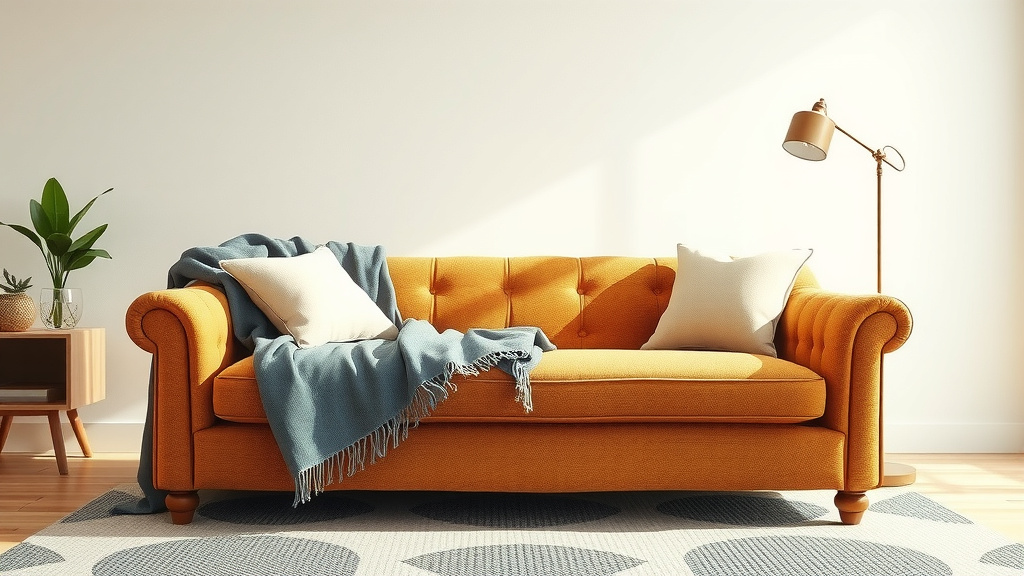
How Much Fabric To Reupholster Your Sofa
So, you’re wondering, “How much fabric do I need to reupholster a sofa?” The general rule of thumb is between 15 to 25 yards of fabric for a standard-sized sofa. This can vary greatly based on the sofa’s size, shape, and the fabric’s pattern repeat. We found that a good estimate is key to avoiding costly mistakes.
Reupholstering a sofa is a big project. Getting the fabric amount right is super important. Too little, and you’re stuck with a half-finished couch. Too much, and you’ve wasted money on fabric you can’t use. Many DIYers find that considering the sofa’s details saves them headaches later.
- A standard sofa usually needs 15-25 yards of fabric.
- Sofa size and fabric pattern affect how much you need.
- Always buy a little extra fabric for mistakes.
- Measure carefully before you buy your fabric.
Below, we break down exactly how to calculate the right amount of fabric for your sofa, so you can tackle this project with confidence.
Calculating Your Sofa Fabric Needs
So, you’re staring at your beloved sofa, dreaming of a fresh new look. But before you get lost in the beautiful world of fabric swatches, you need to know: how much material will this project actually gobble up? Getting this number right is absolutely key to a successful reupholstery. Too little fabric, and you’ll be making a second, more expensive trip to the store. Too much, and you’ll have a beautiful (and likely expensive) pile of leftovers.
We found that most DIYers find success when they understand the core factors. The amount of fabric you need isn’t a one-size-fits-all answer. It’s more like a puzzle with a few key pieces. Luckily, you can figure it out with a little bit of measuring and some smart planning. We’re here to guide you through it, step-by-step, so you can buy with confidence.
The Big Three Factors Influencing Fabric Quantity
Three main things will dictate how much fabric you need. Think of them as the pillars holding up your fabric calculation. If you get these right, you’re halfway to a perfectly upholstered sofa. It’s all about understanding your specific sofa and the fabric you choose.
1. Sofa Size and Shape
This might seem obvious, but a larger sofa naturally requires more fabric. A petite loveseat will need far less than a sprawling sectional. But it’s not just about the overall length. Consider the depth of the cushions and the height of the back. More curves and complicated details also mean you’ll need a bit extra. Think of it like wrapping a gift – a box is easy, but a strangely shaped item needs more paper and careful cutting. To get a more precise fabric estimate, learn how to measure the depth of the cushions.
2. Fabric Width
Fabric comes in standard widths, typically 54 inches. However, some specialty fabrics might be narrower or wider. A wider fabric means you can get more out of each strip. You’ll need fewer seams and less waste. If you choose a narrower fabric, you’ll likely need to piece more sections together. This means buying more yardage to compensate. Always check the manufacturer’s specifications for the width of your chosen material.
3. Pattern Repeat
This is where things can get tricky, especially with large or distinct patterns. A pattern repeat is the distance before the pattern starts to look identical. If your sofa has a large floral print, for example, you need to ensure that when you cut and piece sections, the flowers line up perfectly. If the repeat is large (say, 20 inches), you’ll need to buy extra fabric to match those patterns across seams. A solid color or a small, random texture will have little to no pattern repeat, meaning less waste.
How to Measure Your Sofa for Fabric
You don’t need to be a professional upholsterer to get a good estimate. A measuring tape and a bit of patience are your best tools. We found that taking detailed measurements prevents costly errors. It’s better to measure twice (or three times!) and cut once, as the old saying goes.
The Seat and Back Cushions
Start with the removable cushions. Measure the length, width, and height of each cushion. You’ll need to wrap the fabric around them. For each cushion, a general guideline is to take the length plus twice the height, and the width plus twice the height. This accounts for the fabric going over the top, bottom, and sides. Don’t forget the piping if you plan to use it. Piping requires extra fabric, usually about an extra yard.
The Sofa Frame (Base, Arms, and Back)
Now, move on to the main body of the sofa. Measure the width of the sofa from armrest to armrest. Measure the height from the floor to the top of the back. Measure the depth from the front of the sofa to the back. You also need to measure the outside of the armrests and the back panel. Experts suggest you can often estimate these areas by imagining you’re wrapping the sofa in paper. You’ll need enough fabric to cover all the visible surfaces.
A Simple Calculation Method
Many professionals use a method that simplifies this. Lay your measuring tape along the length of the sofa seat. Add the length of the back. Then add the length of the arms. This gives you a rough length needed. For the width, take the depth of the seat. Add the height of the back. Add the height of the arms. This gives you a rough width needed. We found that adding these two rough dimensions and multiplying by the sofa’s width can give a starting point.
Putting It All Together: The Yardage Estimate
Once you have your measurements, you can start to estimate yardage. Divide your total estimated length needed by the number of inches in a yard (36). Do the same for your estimated width. However, this is where pattern repeat and fabric width really come into play. Many sites and experts recommend a straightforward approach: take your largest measurement (length or width) and multiply it by 3 or 4. This gives you a basic yardage estimate.
For example, if the longest measurement around your sofa is 10 feet (120 inches), and you’re using standard 54-inch wide fabric with a moderate pattern repeat, you might need around 15-20 yards. If the pattern repeat is very large, or the sofa has a lot of curves, you might need closer to 25 yards. We found that for most standard three-seater sofas, this falls within the 15-25 yard range mentioned earlier. It’s always better to have a little extra fabric than not enough.

Tips for Smart Fabric Buying
Beyond the raw measurements, a few smart shopping strategies can save you time and money. These little tips can make a big difference in your project’s success and your wallet.
Always Buy Extra
We can’t stress this enough: buy at least 1-2 extra yards. Why? Mistakes happen! You might cut a piece incorrectly, misjudge a pattern match, or discover a flaw in the fabric. Having that extra buffer means you can fix errors without a frantic trip to the store. It also helps if you decide to add a lumbar pillow or a matching ottoman later!
Consider Fabric Durability
Reupholstering is an investment. You want your new fabric to last. Look for fabrics with a high rub count (measured on the Martindale or Wyzenbeek scale). For a high-traffic living room sofa, we found that fabrics with over 15,000 double rubs are generally recommended for residential use. Heavier weaves like canvas, denim, or outdoor fabrics are often very durable. Check manufacturer recommendations for intended use.
Sample, Sample, Sample!
Never commit to a fabric without getting samples first. You need to see how the fabric looks and feels in your home’s lighting. Take the samples to your sofa if possible. This also helps you visualize how the pattern will drape and fall. Does that large floral overpower the sofa? Does the texture feel right? Samples are your visual preview.
Factor in Your Pattern Skills (or Lack Thereof)
If you’re new to DIY upholstery and chose a fabric with a large, complex pattern, you might be setting yourself up for frustration. Matching those patterns perfectly takes practice and patience. For your first project, consider a solid color or a small, subtle pattern. This will make the entire process much smoother, and you’ll likely have less waste.
Check for Sales and Discounts
Fabric can be expensive, so keep an eye out for sales. Upholstery stores, fabric warehouses, and even online retailers often have promotions. Buying during a sale can significantly reduce the overall cost of your reupholstery project. Don’t be afraid to compare prices across different vendors.
Here’s a quick checklist to keep you on track:
- Measure your sofa’s cushions and frame meticulously.
- Note your chosen fabric’s width and pattern repeat.
- Add 1-2 extra yards for errors and adjustments.
- Consider fabric durability for your sofa’s usage.
- Always order fabric samples before purchasing.
- Start with simpler patterns if you’re a beginner.
Conclusion
Figuring out how much fabric you need to reupholster your sofa might seem daunting, but it’s totally manageable with the right approach. Remember, it’s not just about the sofa’s size; fabric width and pattern repeat play big roles. We found that careful measurement and adding a little extra fabric are your best defenses against costly mistakes. By understanding these factors, you can confidently purchase your material and get ready for a stunning sofa transformation. Your next step? Grab that measuring tape and start planning!
Frequently Asked Questions
How much extra fabric should I buy if my sofa has a large pattern?
If your chosen fabric has a large or complex pattern repeat, you’ll definitely need to buy extra. We recommend adding at least 1-3 extra yards on top of your initial calculation. This ensures you have enough fabric to perfectly match the pattern across all seams, avoiding a mismatched look.
Can I use the same fabric for my sofa and accent pillows?
Yes, you can! However, you’ll need to account for the fabric required for the pillows separately. Many people find that buying an extra yard or two beyond the sofa’s needs is often sufficient to cover a few complementary throw pillows.
What if my sofa has piping? How does that affect yardage?
Piping requires extra fabric because it’s essentially a cording covered in fabric. For each yard of piping you plan to use, you’ll need an additional 1/4 to 1/2 yard of fabric. If your sofa has a lot of piping, be sure to factor this in when calculating your total needs.
Is there a difference in fabric needed for a loose slipcover versus a fitted reupholstery?
Generally, a fitted reupholstery will require more fabric than a loose slipcover. Fitted upholstery involves covering every part of the frame precisely, including curves and under edges. Loose slipcovers often have a more relaxed fit and may use slightly less fabric, but it’s always best to measure for your specific design.
Can I use different fabrics on the same sofa, like one for the seat and another for the back?
You absolutely can mix fabrics! However, calculating yardage for each becomes a separate task. Measure each section as if you were calculating for separate pieces. We found that for projects like this, ensuring you have enough of *each* fabric type for its intended area is key, so buy the calculated amount for each individually.

![10 Best Brand Sofa Reviews [2026]](https://hometopaccesories.com/wp-content/uploads/2026/08/10-best-brand-sofa-reviews-2026-featured-768x432.jpg)