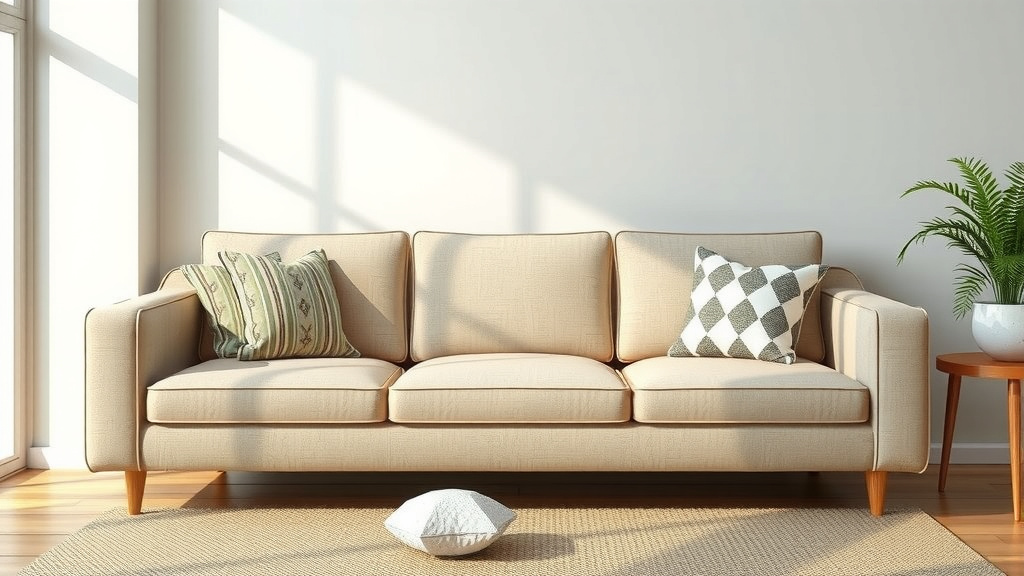
New Sofa Cost: What to Expect in 2026
You’re probably wondering, “How much is a new sofa?” The truth is, prices can swing wildly, from a few hundred dollars for a basic futon to well over $5,000 for a designer sectional. You can expect to spend an average of $1,000 to $3,000 for a decent, mid-range sofa that offers good style and comfort.
Your budget will play a huge role, but so will the materials, size, and brand you choose. A cozy loveseat for a small apartment will cost less than a spacious, reclining sectional for a family room. We found that understanding these factors helps manage expectations.
- New sofas can cost anywhere from $300 to $5,000+.
- The average price for a decent sofa is $1,000 – $3,000.
- Factors like material, size, and brand heavily influence cost.
- Look for sales and consider direct-to-consumer brands to save money.
Let’s break down the different price points and what you can expect to get for your money.
You’ve decided it’s time for a new sofa. That’s exciting! But before you get too lost in dreamy fabric swatches and plush cushions, you’re likely asking yourself, “What’s the real cost of a new sofa?” It’s a fair question, and the answer isn’t a single dollar amount. We’ve found that prices can vary wildly, and understanding the factors that drive those costs will help you find the perfect piece without breaking the bank.
Understanding Sofa Pricing Tiers
We’ve broken down sofa costs into general price tiers. This will help you set realistic expectations for what you can get at different budget levels. Remember, these are just averages, and sales can significantly impact the final price.
Budget-Friendly Options ($300 – $700)
At this price point, you’re looking at sofas that are functional and can certainly fill a space. Think of these as your starter sofas. They’re great for first apartments, guest rooms, or playrooms where durability might be more important than designer looks.
What to Expect
You’ll typically find sofas made with synthetic fabrics like polyester or microfiber. The frames are often made from particleboard or lower-grade hardwood. Cushion fillings might be basic foam or a foam-and-fiber blend. Comfort is usually decent, but don’t expect cloud-like sinking. Durability might be a concern for heavy daily use, but many find these sofas last several years with reasonable care.
Where to Find Them
Large big-box retailers and online marketplaces are your best bet here. Look for simple designs like futons, sofa beds, or basic three-seaters. Many stores offer frequent sales on these models, so keep an eye out for deals.
Mid-Range Choices ($700 – $2,000)
This is where you’ll find the sweet spot for many shoppers. You can get a really solid, stylish sofa that balances quality, comfort, and aesthetics. Most people find their “just right” sofa in this category.
What to Expect
Expect better quality materials. The frames are usually made from kiln-dried hardwood, which is much more durable. Upholstery options expand to include higher-quality polyesters, textured weaves, and sometimes even basic leather or performance fabrics. Cushions will likely offer a better foam core with thicker wrapping for enhanced comfort and longevity. You’ll also see more design variety, from contemporary to more traditional styles.
Where to Find Them
You’ll find great options at major furniture chains, but also many direct-to-consumer online brands. These online retailers often cut out the middleman, passing savings onto you. They offer a wide range of styles and materials, and many have generous return policies, which is helpful when buying furniture sight unseen.
High-End and Luxury Sofas ($2,000 – $5,000+)
If your budget allows, this tier opens up a world of premium materials, craftsmanship, and unique designs. These sofas are often built to last a lifetime and become a statement piece in your home.
What to Expect
Here, you’re looking at top-tier materials. Upholstery can include premium leathers, high-performance fabrics, natural fibers like linen or wool, and even designer textiles. Frames are almost exclusively solid hardwood, often with reinforced joints for maximum durability. Cushion fillings are superior, using high-density foam with down or feather wraps for that luxurious sink-in feel. You’ll also find more artisanal construction, unique designs, and customizable options.
Where to Find Them
These are typically found at specialty furniture stores, high-end department stores, and through interior designers. Many European brands also fall into this category, known for their sophisticated designs and robust construction. If you’re investing this much, visiting a showroom to test the comfort and see the quality in person is often recommended.
Key Factors Influencing Sofa Price
Beyond the general price tiers, several specific elements will affect how much you end up paying for your new sofa. Understanding these can help you make informed decisions.
Material Matters: Upholstery and Frame
The fabric or leather you choose is a huge cost driver.
- Performance Fabrics: These are engineered to resist stains and wear, often costing more.
- Natural Fibers: Linen, cotton, and wool can be pricier than synthetics, depending on the weave and quality.
- Leather: Full-grain leather is the most expensive, while bonded or faux leather is much cheaper but less durable.
- Frame Material: Kiln-dried hardwood frames are more expensive but will last longer than particleboard or plastic.
Size and Configuration: Sectionals vs. Loveseats
It’s simple math: more materials and more complex construction equal a higher price.
- Loveseats: Typically the least expensive seating option.
- Standard Sofas (3-seaters): Mid-range pricing.
- Sectionals: Often the most expensive due to their size and multiple pieces. Modular sectionals can sometimes be customized to fit your budget.
- Sofa Beds/Futons: The added mechanism can increase the price, especially for higher-quality ones.
Brand Reputation and Where You Buy
Just like with cars or electronics, some brands carry a premium.
- Designer Brands: These often come with a higher price tag due to name recognition and exclusive designs.
- Direct-to-Consumer (DTC) Brands: Many online-only retailers offer competitive pricing by cutting out retail markups.
- Retail Stores: Prices can vary widely. Look for sales events like Presidents’ Day or Black Friday.
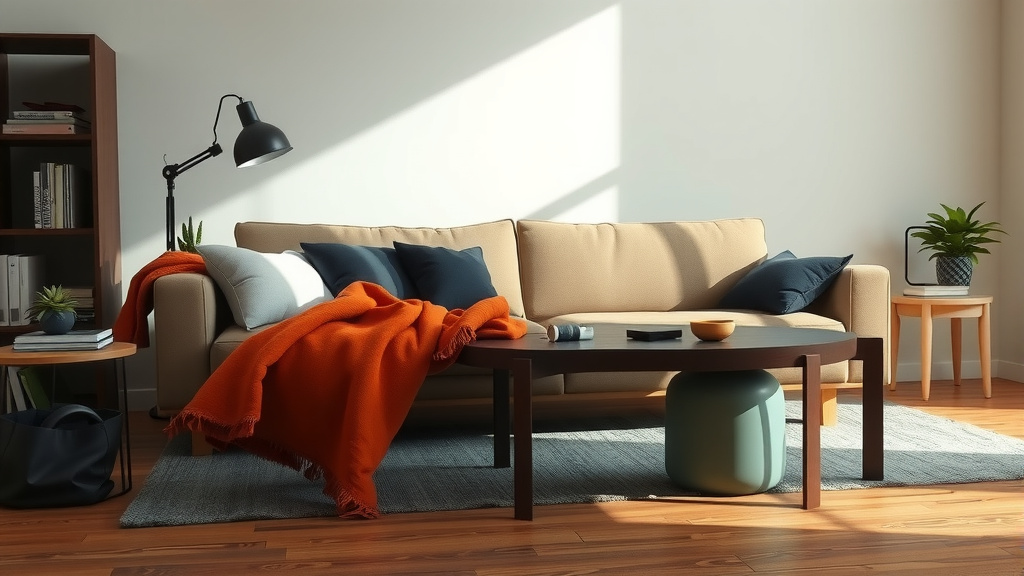
Tips for Saving Money on Your New Sofa
Buying a new sofa doesn’t have to empty your bank account. Here are a few smart strategies we’ve seen work wonders for shoppers:
- Shop Sales: Holiday weekends (Memorial Day, Labor Day, Black Friday) are prime times for furniture sales.
- Consider Floor Models: Stores often discount floor display models. Just inspect them carefully for wear.
- Look for Open-Box Deals: Some online retailers offer discounts on items returned by customers, often with minimal or no damage.
- Buy During Off-Seasons: While less common for furniture, sometimes end-of-season clearances can offer savings.
- Check Out DTC Brands: As mentioned, these online-focused companies often provide great value.
- Don’t Be Afraid of Performance Fabrics: While they can be an upfront investment, their durability can save you money in the long run by preventing premature replacement.
Conclusion
Finding the right sofa involves balancing your budget with your needs. We’ve seen that a new sofa can range from a few hundred to several thousand dollars. Your final cost depends on materials, size, and brand choices. Mid-range sofas, typically $1,000-$3,000, often provide the best blend of quality and style for most households. By understanding the pricing tiers and key factors, you’re well-equipped to make a smart purchase. Now, take what you’ve learned and start browsing with confidence to find a sofa you’ll love for years.
Frequently Asked Questions
Can I get a decent sofa for under $500?
Yes, you can find functional sofas in the $300-$700 range, but expect basic materials like synthetic fabrics and particleboard frames. These are often best suited for guest rooms or low-traffic areas. Keep an eye out for sales at big-box retailers to maximize your budget.
Are direct-to-consumer sofas worth the price?
Many direct-to-consumer (DTC) brands offer excellent value by cutting out traditional retail markups. You can often find sofas with better materials and construction in the mid-range price tier ($700-$2,000) from DTC brands compared to brick-and-mortar stores.
Does leather always make a sofa more expensive?
Generally, yes, genuine leather upholstery significantly increases a sofa’s price. Full-grain leather is the most premium and costly. Faux leather or bonded leather options are much cheaper but won’t offer the same durability or feel as real leather.
Is it worth paying more for a hardwood frame?
Investing in a sofa with a kiln-dried hardwood frame is often worthwhile. These frames are much stronger and more durable than particleboard or lower-grade wood, meaning your sofa is likely to last much longer and resist warping or cracking over time.
When is the best time to buy a sofa to save money?
Major holiday weekends are your best bet for sofa sales. Think Presidents’ Day, Memorial Day, Labor Day, and Black Friday. Many furniture retailers offer significant discounts during these periods, making it a great time to snag a deal.



![10 Best Cloud Sofa Knock Off [2026]](https://hometopaccesories.com/wp-content/uploads/2026/09/10-best-cloud-sofa-knock-off-2026-featured-768x432.jpg)