Optimal Coffee Table to Sofa Spacing: Your Guide
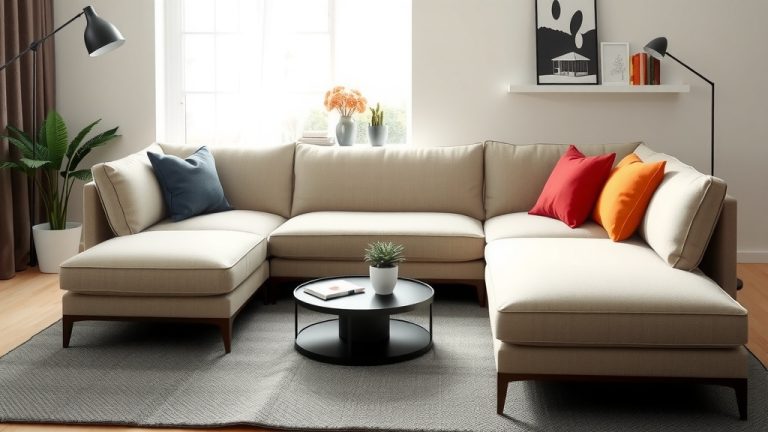
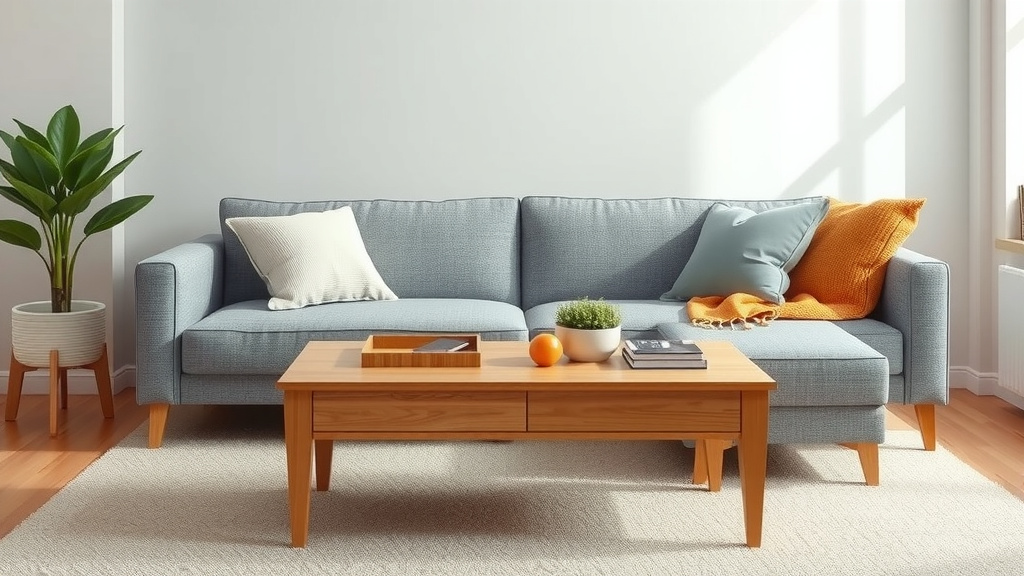
When arranging your living room, aim for about 14 to 18 inches between your sofa and coffee table. This distance ensures you have enough legroom while still keeping your coffee table easily accessible. Getting this spacing just right makes your seating area feel both comfortable and functional.
Finding the perfect distance is about more than just aesthetics. It’s about creating a layout that allows for easy movement and conversation. Many homeowners struggle with this balance, wondering if their coffee table is too close or too far. We’ve found that the ideal spacing also depends on the size of your room and the dimensions of your furniture.
- The sweet spot for sofa-to-coffee table distance is generally 14-18 inches.
- This range provides ample legroom and easy reach to your table.
- Consider your room’s overall layout.
- Factor in the size of your furniture.
- Proper spacing enhances both comfort and practicality.
Let’s walk through exactly why this measurement matters and how to get it right for your unique space.
You’ve got your stylish sofa. You’ve picked out the perfect coffee table. Now comes the moment of truth: placing them together. This isn’t just about making your living room look pretty. It’s about creating a space that feels cozy and functional. Getting the distance right between your sofa and coffee table is a simple tweak that makes a big difference. Let’s figure out that sweet spot.
Finding the Ideal Coffee Table to Sofa Distance
The magic number most interior designers and furniture experts recommend is between 14 and 18 inches. Think of this as your go-to guide. It’s the perfect range for making sure your coffee table is within easy reach. You want to be able to grab your drink or a book without straining. But you also need enough space to stretch your legs out comfortably. This distance ensures you won’t feel cramped.
Why this specific range? Research and practical design principles tell us this measurement hits a happy medium. It balances accessibility with ample legroom. Too close, and your guests might feel like they’re playing a game of furniture Tetris. Too far, and it becomes a stretch to place your mug down. So, keep that 14-18 inch rule of thumb handy!
Why Spacing Matters More Than You Think
It’s easy to underestimate the impact of furniture placement. But the distance between your sofa and coffee table affects more than just your ability to move. It influences the overall flow and comfort of your living area. Getting it right makes your room feel more inviting and less cluttered. It’s like setting the table for a meal; everything needs to be in its place to work well.
Ensuring Easy Traffic Flow
Imagine walking into your living room. You want to move freely, right? The space around your coffee table is a key pathway. A clear path prevents bumping into furniture. It makes the room feel more open and spacious. This is especially important in smaller living rooms where space is at a premium.
Many guidelines suggest leaving at least 18 inches of open space in high-traffic areas within a room (National Association of Home Builders). While your coffee table zone isn’t a main walkway, maintaining good clearance here contributes to that overall sense of ease. You don’t want guests playing a game of “dodge the table leg” as they navigate to a seat.
Maximizing Comfort and Accessibility
When you’re settled on the sofa, you want convenience. Your coffee table should be close enough to hold your essentials. This includes drinks, snacks, remotes, or that book you’re enjoying. This easy access makes your seating area feel much more practical and relaxing.
Consider this: if your coffee table is too far, you might end up putting things on the floor or on the sofa itself. This can lead to spills or a messy appearance. Having the table at the right distance means your belongings are safely and conveniently within arm’s reach.
Factors That Influence Your Perfect Measurement
While 14-18 inches is a great starting point, your unique living room might need adjustments. Several factors come into play. Think about the size of your room and the dimensions of your furniture. These elements can shift that ideal measurement slightly.
Room Size and Layout
In a larger living room, you might opt for a slightly larger coffee table. This could mean pushing it a little further out, perhaps closer to 18-20 inches, to maintain balance. This prevents the table from looking lost in the space. It helps anchor your seating arrangement.
Conversely, in a smaller room, you might choose a smaller coffee table. You might even place it a bit closer, around 12-14 inches. The goal here is to maximize legroom while keeping the table functional. Sometimes, a round or oval table can offer better flow in tight spaces.
Coffee Table Dimensions
The shape and size of your coffee table play a big role. A large, rectangular coffee table might need a bit more space around it. This is to avoid overwhelming the seating area. A smaller, round coffee table might feel comfortable a little closer. It can feel less imposing.
We’ve found that furniture scale is key. If you have a very deep sofa, you might need a longer or deeper coffee table to match its proportions. The distance should still allow easy access. But the table itself should visually “fit” the sofa’s size. Think of it as a visual partnership.
Sofa Style and Depth
The type of sofa you have also matters. A deep-set sectional sofa might mean you need a coffee table that’s a little further away. This ensures you don’t have to lean too far forward to reach it. Deep sofas offer more seating space, but they also extend further into the room.
A more streamlined, modern sofa with less depth might work well with a table placed at the closer end of our recommended range. It’s all about creating a balanced and comfortable zone. You want to feel good sitting there, not like you’re playing furniture-reach.

When to Consider Different Spacing Options
What if the standard range just doesn’t feel right? That’s okay! Your living room is unique. There are times when you might lean towards the outer edges of the 14-18 inch guideline, or even slightly beyond.
For Smaller Spaces or Smaller Tables
If you have a petite living room or a smaller, perhaps more delicate coffee table, don’t be afraid to bring it closer. A distance of around 12 inches can still be perfectly functional. This is especially true for round tables. They often don’t impede foot traffic as much as a sharp-cornered rectangular one.
The key here is to ensure there’s still enough space for your feet and for a natural seating posture. You don’t want your knees bumping the table when you sit down. It’s about finding that functional minimum. Many apartment dwellers find this slightly closer spacing works best.
For Larger Spaces or Larger Tables
On the flip side, if you have a grand living room and a substantial coffee table, feel free to extend the distance. Moving the table to about 18-20 inches can help it fit better visually. It prevents the table from looking undersized.
This extra space also makes it easier for multiple people to move around the coffee table. It’s helpful if your living room often hosts gatherings. Remember, the goal is a cohesive look and feel. The coffee table should complement, not overwhelm, your sofa and the room.
A Quick Checklist for Perfect Placement
Ready to find your ideal coffee table distance? Use this simple checklist:
- Measure 14-18 inches from your sofa’s seating edge to the coffee table’s edge.
- Sit on your sofa and see if the table is within easy reach.
- Stand up and walk around the coffee table. Is there enough room?
- Consider the size of your coffee table relative to your sofa.
- Think about the overall flow of your living room.
- Adjust slightly based on your room’s size and your furniture’s dimensions.
By following these guidelines and considering your personal needs, you can create a living room that is both beautiful and incredibly practical. It’s all about making your space work for you!
Conclusion
Finding the perfect distance between your sofa and coffee table is a simple adjustment that greatly impacts your living room’s comfort and flow. Remember the general guideline of 14 to 18 inches for easy access and comfortable legroom. However, don’t be afraid to tweak this based on your room’s size, your furniture’s dimensions, and your personal preferences. Take a moment now to measure your current setup and see if a small adjustment can make your favorite seating area even better. Your goal is a space that feels both functional and inviting for everyone.
Frequently Asked Questions
What if my coffee table feels too far away from my sofa?
If your coffee table feels out of reach, try moving it closer to your sofa. Aim for that 14-18 inch sweet spot. This ensures you can easily place a drink or book down without stretching. It’s a common issue, especially with deep sofas or large living rooms.
How does the shape of my coffee table affect the spacing?
A round or oval coffee table can often be placed a bit closer than a rectangular one. Its lack of sharp corners makes it less of an obstacle for foot traffic. You might find a 12-14 inch distance works well if it doesn’t impede movement.
Can I use a larger coffee table in a small living room?
While it’s tempting, a very large coffee table can make a small room feel cramped. If you do opt for a larger table, consider placing it slightly closer to the sofa, around 12-14 inches. This helps maximize legroom and keeps the space feeling open.
Does the height of my coffee table matter for spacing?
While height is more about visual balance, it can indirectly influence spacing. If your coffee table is significantly taller than your sofa’s seat height, you might want to keep it slightly further away. This prevents it from feeling too imposing. Generally, table height should be similar to sofa seat height.
What’s the best distance if I have kids or pets?
For households with children or pets, ample clearance is key. A slightly wider gap, perhaps closer to 18-20 inches, can provide a safer zone. This reduces the chance of little feet or wagging tails bumping into the table, and makes cleaning up spills easier.


![10 Inch Sofa [2026]](https://hometopaccesories.com/wp-content/uploads/2026/08/10-inch-sofa-2026-featured-1-768x432.jpg)