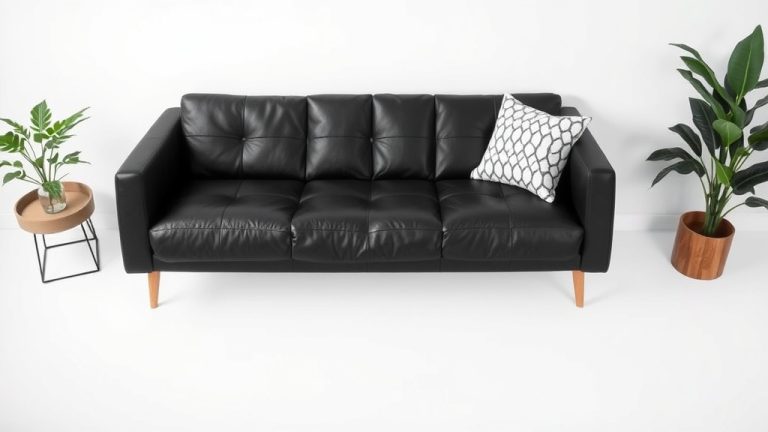
How to Add Stuffing to Sofa Cushions: A Quick Guide
The best way to add stuffing to sofa cushions is by finding the zipper or opening along the seam and pulling out the old stuffing. Then, you can replace it with new material. You’ll want to distribute the new stuffing evenly. This will help your cushions regain their plushness.
Over time, sofa cushions can lose their shape and feel flat. This is often due to compressed stuffing. Adding new stuffing is a budget-friendly way to revive your furniture. It can make your sofa feel brand new again without a big expense. Plus, it’s a surprisingly easy DIY project.
- Find the cushion’s zipper or seam.
- Remove the old, flattened stuffing.
- Add new stuffing, distributing it evenly.
- Close the cushion and fluff it up.
Ready to give your sofa a comfy makeover? Let’s walk through exactly how to add new stuffing to your sofa cushions, step by step.
Reviving Your Sofa: A Guide to Adding Cushion Stuffing
Over time, even your favorite sofa can start to look a little sad. Cushions can become lumpy or flat. This is often because the stuffing inside has compressed. You might be thinking about buying a new sofa, but there’s a much simpler and cheaper solution. Adding new stuffing to your sofa cushions is an easy DIY project that can make them feel brand new again. Let’s get your sofa looking and feeling its best!
Assessing Your Cushions and Gathering Supplies
What Kind of Stuffing Do You Need?
Before you start, you need to know what to fill your cushions with. The most common stuffing is polyester fiberfill. It’s soft, fluffy, and easy to work with. You can find it at most craft or fabric stores. It usually comes in bags or large balls. Think of it like a giant bag of cotton candy, but for your couch!
Some people prefer foam inserts. These give a firmer, more structured feel. You can buy foam cut to size. For most sofa cushions, fiberfill is the easiest and most popular choice. It provides a comfortable, yielding feel. Some people prefer foam inserts for a firmer feel; our guide on how long sofa foam lasts can help you decide.
Tools and Materials Checklist
Gathering everything before you begin makes the process much smoother. Here’s what you’ll need:
- New stuffing material (polyester fiberfill is recommended)
- Seam ripper or small scissors
- Zipper pull (if your cushion has a zipper)
- Gloves (optional, to keep your hands clean)
- Vacuum cleaner (to clean up stray fibers)
- A large, clean surface to work on
Getting Started: Preparing the Cushion
Locating the Opening: Zipper or Seam?
Most sofa cushions have a way to open them up. Look for a zipper along one of the seams. This is the easiest way to access the stuffing. If you find a zipper, gently pull the slider to open it. Sometimes, the zipper might be hidden along a back or side seam.
If there’s no zipper, you might have a sewn seam. You’ll need to carefully use a seam ripper or small scissors to open a section of the seam. Aim for a section that’s about 6-10 inches long. This will give you enough room to pull out the old stuffing and add new. Don’t worry if it looks a bit messy; you can sew it back up later.
Removing the Old Stuffing
Once you have an opening, it’s time to remove the old stuffing. Pull it out in clumps. You might find it’s compressed, lumpy, or even a bit dirty. As you remove it, place it in a trash bag. Be prepared for some fluff to fly! It’s like deflating a balloon, but with less air and more fiber.
If the old stuffing is very compacted, you might need to use your hands to break it apart. This step is important for a fresh start. You want to clear out as much of the old material as possible. This ensures the new stuffing can spread evenly. Think of it as decluttering your cushion’s interior.
Adding New Stuffing: Bringing Back the Plumpness
Distributing the New Fiberfill
Now for the fun part! Start adding your new stuffing. Take small handfuls of the fiberfill and gently stuff them into the cushion cover. The key is to distribute it evenly. Avoid packing it too tightly in one spot, which can create lumps. Instead, try to fill the corners and edges first.
Work your way around the cushion, adding stuffing bit by bit. You want to fill the cover so that it’s snug but not overstuffed. Too much stuffing will make the cushion stiff and hard. Too little, and it will still feel flat. It’s a bit like Goldilocks – you’re looking for that just-right feeling.
Achieving Even Firmness
As you add stuffing, periodically close the cushion opening as much as you can and feel the density. Does it feel firm enough? Are there any particularly soft or hard spots? You can gently push the stuffing around inside the cover to even out any lumps. If a corner feels a bit empty, add a little more fiberfill there.
Many experts suggest adding stuffing until the cushion feels slightly firmer than you want it to be when finished. The stuffing will settle and compress a bit once you start using the cushion regularly. So, aim for a little extra plushness from the start.
Table: Stuffing Material Comparison
| Material | Pros | Cons | Best For |
|---|---|---|---|
| Polyester Fiberfill | Soft, fluffy, affordable, easy to find, provides a plush feel. | Can compress over time, may shift and create lumps if not distributed evenly. | Most standard sofa cushions, achieving a soft, comfortable look. |
| Foam Inserts | Provides firm support, holds shape well, doesn’t compress easily. | Can be more expensive, less forgiving feel, requires precise cutting. | Seat cushions needing firm support, maintaining a structured appearance. |
Finishing Up and Fluffing
Closing the Cushion
Once you’re happy with the amount and distribution of stuffing, it’s time to close the cushion. If you have a zipper, simply zip it up. Make sure there are no large lumps caught in the zipper teeth. If you had to open a seam, you’ll need to sew it closed. Use a needle and thread that matches your cushion cover. A simple backstitch or whipstitch works well. Try to make your stitches as neat and small as possible so they blend in.
The Final Fluff
With the cushion now stuffed and closed, give it a good fluff! Pat and punch the cushion. This helps the stuffing settle into its final shape and smooth out any remaining minor bumps. Place it back on your sofa and admire your work. It should look and feel much fuller and more comfortable. You’ve successfully revived your sofa!
Quick Checklist for Sofa Cushion Refreshing
- Find the zipper or prepare to open a seam.
- Remove all the old, flattened stuffing.
- Add new stuffing in small amounts.
- Distribute stuffing evenly, paying attention to corners.
- Feel for consistent firmness throughout the cushion.
- Close the cushion securely and give it a final fluff.
Conclusion
You’ve learned how to bring your sofa cushions back to life! Adding new stuffing is a simple, cost-effective way to refresh your furniture. By following these steps, you can easily restore their shape and comfort. Remember to find the opening, remove the old material, and distribute new fiberfill evenly. Close it up, give it a good fluff, and enjoy your revitalized sofa. Your next step is to grab your supplies and get started on that cushion refresh!
Frequently Asked Questions
How much stuffing do I need to buy?
It’s often best to buy more stuffing than you think you’ll need. You can always return unopened bags. This ensures you have enough to get the cushion looking plump and full without having to make a second trip.
Can I mix different types of stuffing?
While you can mix fiberfill with other materials, it’s generally not recommended for sofa cushions. Mixing can lead to an uneven feel, and some materials might not hold up as well over time. Sticking to polyester fiberfill usually gives the best, most consistent results.
How do I prevent new stuffing from becoming lumpy?
The key is to add stuffing in small amounts and distribute it evenly. Gently spread the fiberfill into the corners and edges first. Avoid packing large clumps in one spot. Periodically feel the cushion’s density to catch and smooth out any lumps as you go.
My cushion has a hidden zipper. How do I find it?
Hidden zippers are often found along a back seam or where the cushion meets the sofa frame. Carefully feel along all the seams of the cushion cover. You might need to lift or shift the cushion slightly to locate it.
How often should I replace my sofa cushion stuffing?
There’s no set schedule, as it depends on usage and the quality of the original stuffing. You’ll know it’s time when your cushions consistently feel flat, lumpy, or no longer hold their shape, even after fluffing.