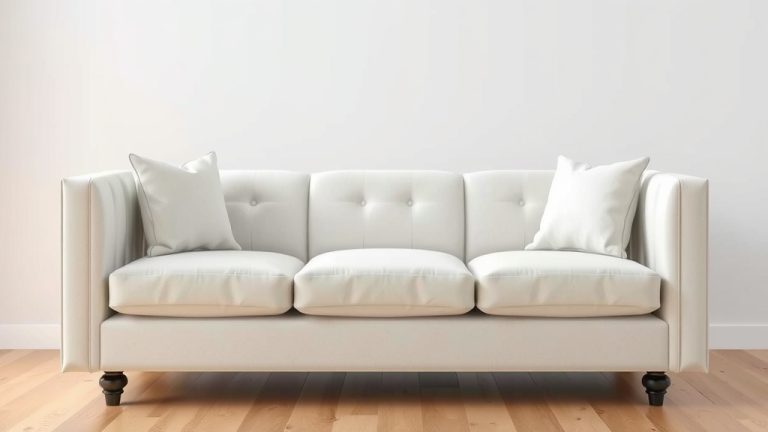
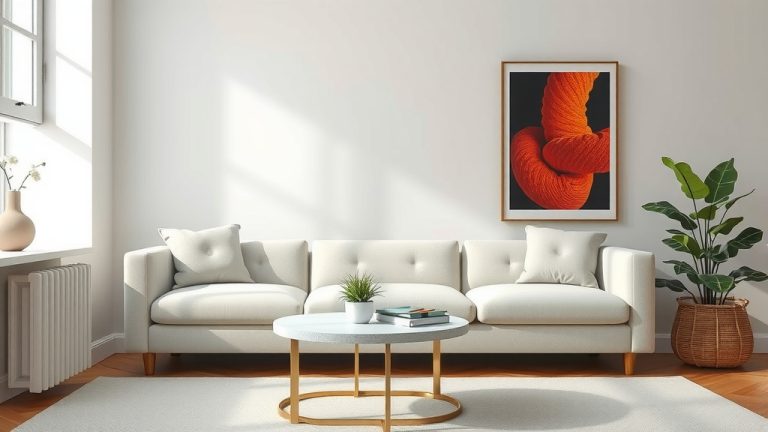
Corner Sofa Cushion Arrangement Tips
Arranging cushions on a corner sofa is simpler than you think! You can create a cozy and stylish look by layering different sizes and textures. Start with the largest cushions in the back and then add smaller ones in front for a welcoming appeal.
A well-arranged corner sofa invites relaxation and conversation. Many designers agree that the key is to balance comfort with visual interest. Think about color, pattern, and shape to add personality to your living space and make your corner sofa the star of the room.
- Layer cushions from largest to smallest.
- Mix textures for a rich look.
- Balance colors and patterns.
- Don’t forget corners and arms!
- Add decorative pillows for flair.
Ready to transform your corner sofa? Let’s walk through exactly how to arrange your cushions step by step to achieve that perfect, magazine-worthy look.
Making Your Corner Sofa a Cozy Command Center
Arranging cushions on your corner sofa might seem simple, but it’s where you can really make your living space sing. It’s not just about tossing pillows around. It’s about creating a comfortable, inviting spot that feels like yours.
You want a look that’s both stylish and super comfortable. We’ve put together some tips that can help you achieve that perfect pillow arrangement. Let’s get your corner sofa looking its best!
The Foundation: Size and Placement
The first step in any good cushion arrangement is starting with the biggest players. Think of them as the sturdy base for your pillow tower. Using larger cushions first creates a solid, supportive foundation that feels more intentional.
Back Cushions: The Anchors
Your sofa’s back cushions are your starting point. If your corner sofa has built-in back cushions, you’re already ahead! If not, you’ll want to use your largest throw pillows here. Place them snugly against the back of the sofa. Ensure they are evenly distributed across the length of the seating area.
For a clean look, make sure the cushions are plumped up and sit upright. This gives a structured feel. Many designers recommend using at least two large cushions on each main section of the corner sofa. This provides ample back support and visual weight.
The Art of Layering: Adding Mid-Size Cushions
Once your back cushions are in place, it’s time to add a second layer. Mid-size cushions, often around 18×18 inches or 20×20 inches, are perfect for this. They fill in gaps and add depth. Place these in front of the largest back cushions.
You can stack them slightly. This creates a more relaxed and inviting vibe. Don’t be afraid to let them lean a little. This layering technique adds a designer touch that says, “Come sit down!”
The Finishing Touches: Smaller Decorative Pillows
Smaller accent pillows, typically 12×20 inches or square ones around 14×14 inches, are the final flourish. These are your chance to inject personality and color. Place these strategically in the front or tuck them into corners where there might be a bit of space.
These little pillows can break up larger blocks of color or pattern. They add a playful element. Think of them as the jewelry for your sofa! They draw the eye and make the arrangement feel complete. Research into home staging shows that well-placed accent pieces can increase perceived value and appeal (National Association of Realtors).
Mixing Textures for Richness
A collection of cushions all in the same fabric can look a bit flat. Introducing different textures adds depth and interest. Think about the feel of each pillow. You can combine smooth velvets with rougher linens. Or, perhaps a plush faux fur with a structured knit.
This contrast creates a tactile experience. It makes your sofa more inviting to touch. Experts in interior design often suggest mixing at least two or three different textures for a balanced look. This keeps the arrangement from feeling too uniform. It adds a layer of sophistication without being overly complicated.
Color and Pattern Play
Color and pattern are where you can truly express your style. Don’t be afraid to mix and match, but do so with a plan. A common strategy is to pick a main color palette for your room. Then, select cushions that pull colors from your curtains, rugs, or artwork.
Coordinating Colors
You can use a monochromatic scheme, using different shades of the same color. Or, try an analogous scheme, using colors next to each other on the color wheel. Another popular approach is using complementary colors (opposites on the color wheel) for a bolder statement.
If you’re unsure, start with neutral tones. Then, add pops of color with your smaller accent pillows. This makes it easy to change your decor with the seasons. You could have a neutral base and add bright, cheerful colors for summer.
Balancing Patterns
Mixing patterns can seem daunting, but it’s easier than you think. A good rule of thumb is to use patterns of different scales. Pair a large, bold floral with a smaller geometric print. Or, combine a subtle stripe with a solid textured pillow.
Experts often recommend having one dominant pattern and then supporting it with subtler prints or solids. This prevents the arrangement from looking too chaotic. Think of it like a band: one instrument plays the main melody, while others provide harmony (Interior Design Guild).
Don’t Forget the Corners and Arms!
Corner sofas often have distinct sections and sometimes armrests. These areas are prime real estate for cushions. They can help define the space and add extra comfort.
Filling the Corner Nook
The corner itself can sometimes feel like a void. Use a slightly larger pillow or even a bolster pillow to fill this space. This creates a cozy, nest-like feel. It’s a great spot for extra back support or just to lean against.
Armrest Accents
If your sofa has arms, you can place a small pillow or a bolster on one or both sides. This adds a touch of elegance and can also serve as a comfortable armrest. Be careful not to overcrowd the arms, as this can make the sofa look cluttered. A single, well-placed pillow is often enough.
The Checklist for Perfect Pillow Placement
Ready to put it all into practice? Here’s a quick checklist to guide you:
- Start with your largest cushions at the back.
- Layer mid-size cushions in front of the large ones.
- Add smaller accent pillows for pops of color and texture.
- Mix at least two different fabric textures.
- Balance patterns by scale and prominence.
- Utilize corner spots and armrests for extra comfort or style.
Following these steps will help you create a corner sofa arrangement that’s not only visually appealing but also incredibly comfortable. It transforms your sofa from just furniture into a statement piece in your home.
Conclusion
You’ve learned how to transform your corner sofa into a stylish and cozy haven. By layering cushions from largest to smallest, mixing textures, and playing with color and pattern, you create a space that’s both inviting and visually appealing. Don’t forget to pay attention to those corner nooks and armrests. Now, take a deep breath and look at your beautiful creation! Your next step is to put these tips into action and enjoy your perfectly arranged corner sofa.
Frequently Asked Questions
How many cushions should I put on a corner sofa?
The exact number depends on your sofa’s size and your desired look. A good starting point is 2-3 large back cushions per main section, followed by 1-2 mid-size cushions, and then 1-2 smaller accent pillows. Aim for balance, not just stuffing.
Can I use only decorative pillows, or do I need functional ones too?
It’s best to mix both! Your larger cushions can provide back support, while smaller ones add decorative flair. Mixing functional and decorative pieces creates a layered look that’s both comfortable and stylish.
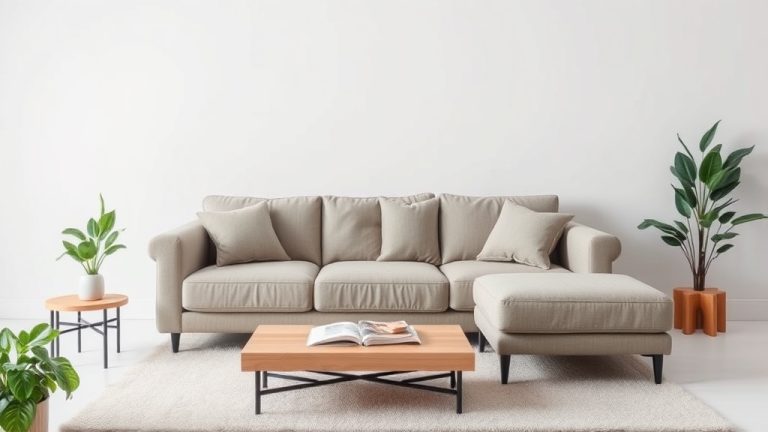
What’s the best way to arrange pillows if my corner sofa has a chaise lounge?
Treat the chaise lounge like an extension of a main seating area. You can place a couple of larger cushions along the back and then layer smaller ones towards the front. A bolster pillow can also work well to define the chaise end.
How do I make sure my cushions don’t look messy?
Plump them up regularly to maintain their shape. Ensure they are leaning against each other or the sofa back rather than just scattered. A structured arrangement with deliberate placement looks tidier.
Is it okay to mix cushions that don’t match at all?
While some contrast is good, too much can look chaotic. Try to find common threads, like a shared color, texture, or style. Even if patterns differ greatly, choosing cushions within a similar color family can help them coordinate.