How to Choose a Sofa Style That Fits Your Home and Life
Choosing a sofa style starts with one question: how do you actually live in your space? The best approach is to match your sofa to your room size, daily habits, and existing decor before falling for a pretty frame. Get those three things right, and nearly any style will work.
Here’s the thing — we’ve all bought furniture we loved in the store and regretted at home. (Raise your hand if you’ve ever measured… or skipped it.) We researched what interior designers recommend and found that the smartest buyers focus on sofa shape, fabric, and scale first, then pick a style that fits. Comfort matters just as much as looks, since your sofa will likely be the most-used seat in the house.
Quick TL;DR:
- Measure your space, doors, and hallways before you shop.
- Match the sofa shape to your room — sectionals for big spaces, loveseats for small ones.
- Pick fabric based on pets, kids, and how messy your life really gets.
- Choose a style (modern, traditional, mid-century) that already fits your decor.
- Always sit before you buy — comfort wins every time.
Below, we break down everything you need to know about choosing a sofa style step by step, so you can shop with total confidence.
Picking the Right Sofa Style for Your Home
The right sofa style is the one that matches your room’s size, your daily routine, and the furniture you already own. Start there, and the rest of the decision gets much easier. Think of it like choosing a car — you wouldn’t buy a two-seater if you haul three kids to soccer practice every week.
Start With Your Room, Not the Catalog
Grab a tape measure before you browse a single website. Measure the wall where the sofa will sit, plus doorways, hallways, and any tight corners on the delivery path. We found that skipped measurements are the number one reason people return sofas. Before you measure, our guide to standard sofa sizes shows the lengths to expect for each style.
Also think about traffic flow. You want at least 30 inches of walking space around your sofa, a number many design guides recommend. If your room forces you to squeeze past the coffee table sideways, the sofa is too big — no matter how gorgeous it looks.
Know Your Sofa Shapes
Shape matters more than color. Each silhouette solves a different problem:
- Sectional: Best for large rooms and families who sprawl.
- Sofa (standard): The flexible all-rounder for most living rooms.
- Loveseat: Perfect for apartments, studios, and reading nooks.
- Settee: Slim and shallow — great for entryways and bedrooms.
- Chaise sectional: Built for nappers and movie marathons.
Here’s a quick comparison to help you match shape to space:
| Style | Best For | Typical Width | Watch Out For |
|---|---|---|---|
| Sectional | Big rooms, families | 90–130 in. | Hard to move later |
| Standard sofa | Most living rooms | 72–96 in. | None, really |
| Loveseat | Small spaces | 48–72 in. | Seats only two |
| Settee | Entryways, extras | 50–60 in. | Not for lounging |
| Sleeper sofa | Guest rooms | 75–90 in. | Heavier, pricier |
Matching Sofa Styles to Your Decor
The fastest way to pick a style? Look at your current furniture and pick a sofa that’s already speaking the same language. A sleek, low-profile sofa will look lost next to a carved antique armoire.
Popular Sofa Styles Explained
Modern and Contemporary
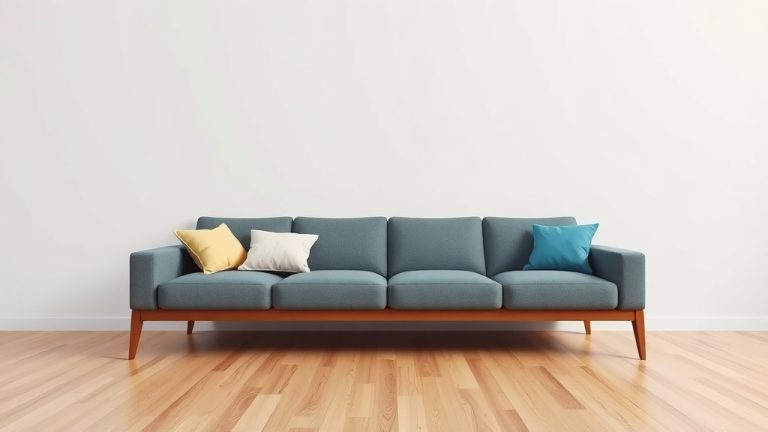
Clean lines, low arms, and no fuss. These sofas suit minimal spaces and small rooms because they don’t visually crowd. If your home has metal accents and simple curtains, this is your lane.
Mid-Century Modern
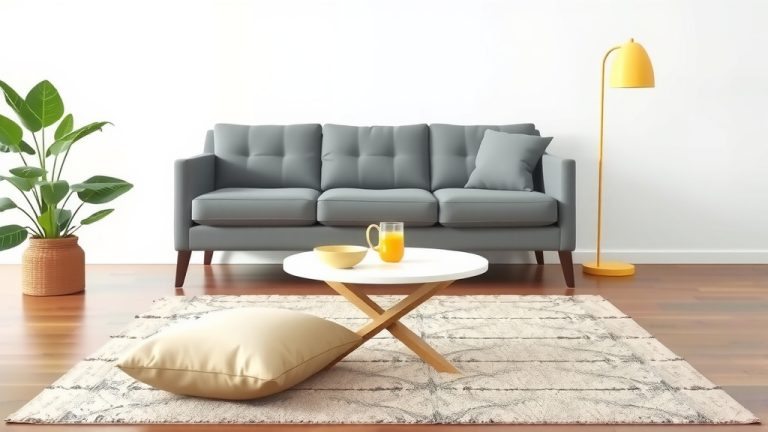
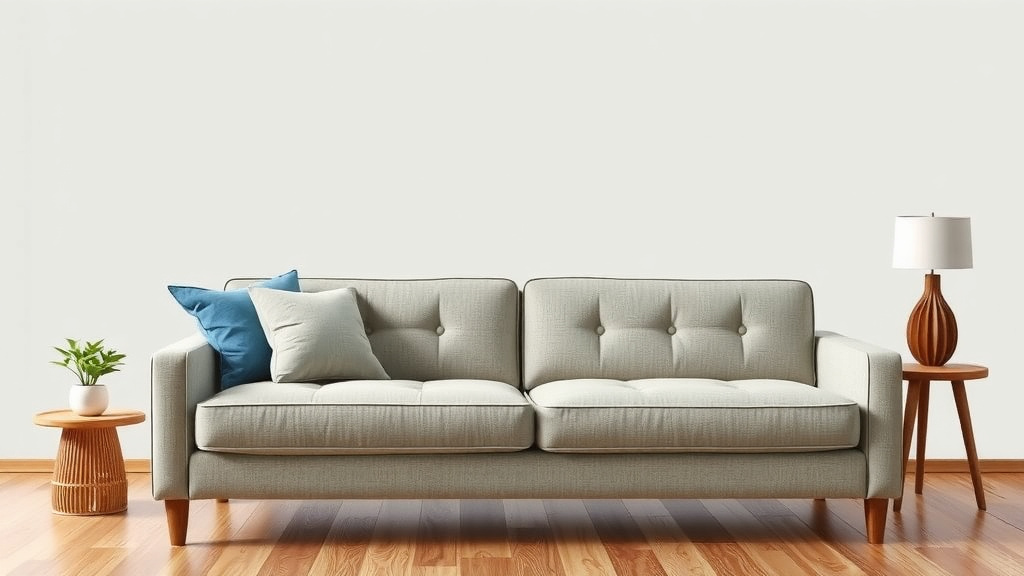
Tapered wooden legs, tufted cushions, and a slightly retro vibe. It’s been popular for over a decade because it plays nicely with almost everything. Many experts say it’s the most forgiving style for mixed decor.
Traditional and Chesterfield
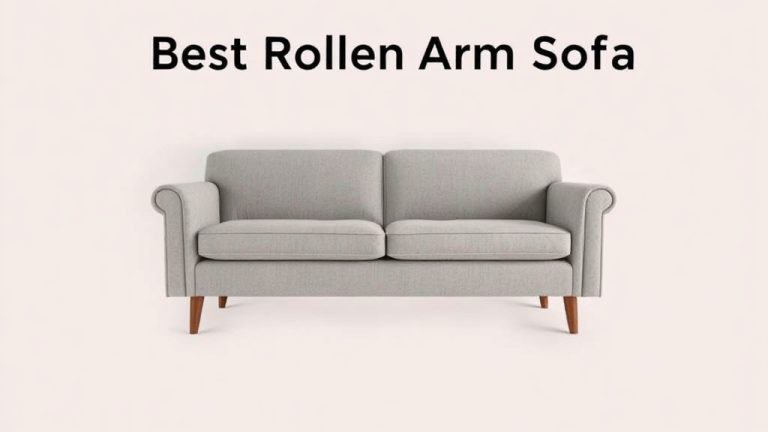
Rolled arms, deep button tufting, rich fabrics. These bring warmth and a little drama. They shine in rooms with wood floors, area rugs, and classic details.
Farmhouse and Casual
Deep seats, slipcovers, and soft neutral fabrics. Built for feet-on-the-coffee-table living. If your house already leans cozy and lived-in, this style will feel like it was always there.
Choosing Fabric That Fits Real Life
Fabric decides how your sofa ages. Ask yourself one honest question: how messy does your household actually get? Kids, pets, and red wine nights all point to the same answer — something tough and washable.
Performance fabrics and tight-weave polyester blends resist stains better than delicate linens. Leather, meanwhile, wipes clean and gets softer with age, though it can scratch. If allergies are a concern at home, many health sources, including the Mayo Clinic, suggest smooth, easy-to-clean surfaces because they trap less dust and dander.
Fabric Quick Guide
- Pets: Choose leather, microfiber, or performance weave — skip loose-weave fabrics that snag.
- Little kids: Dark colors or washable slipcovers will save your sanity.
- Low-traffic formal room: Linen and velvet are finally safe to enjoy.
- Sunlight-heavy rooms: Pick fade-resistant fabrics, or plan to rotate cushions often.

Don’t Skip the Comfort Test
A beautiful sofa that hurts your back is just expensive wall art. Sit on it. Actually sit — like you would on a Sunday afternoon, not a polite showroom perch.
Seat depth is the big one. If you’re shorter, deep seats can swallow you; if you’re tall, shallow seats cramp your knees. Many ergonomic guides suggest a seat depth of about 21–24 inches for general lounging, with firmer cushions offering better long-term support for your back and posture.
Your Pre-Purchase Checklist
Run through this before you click “buy”:
- Measured the room, doorways, and hallway path.
- Checked seat depth and cushion firmness in person (or ordered a swatch).
- Picked a fabric that matches your pets, kids, and cleaning habits.
- Confirmed the style blends with your existing decor.
- Read the return policy and warranty — twice.
- Left at least 30 inches of walkway space in the layout.
Style Wins When It Fits Your Life
Trends come and go, but your sofa stays for seven to fifteen years on average, according to common industry estimates. That’s a long time to live with a choice made for Instagram instead of real life.
So fall in love with a style — just make sure it’s a style that loves your floor plan, your family, and your Friday nights back. When those three line up, you’ve found the one.
Conclusion
Picking a sofa style doesn’t have to feel overwhelming. Measure your space first, match the shape to your room, choose a fabric that survives your real life, and always test the seat depth before committing. Then pick the style — modern, mid-century, traditional, or farmhouse — that already fits your decor. When you shop in that order, you end up with a sofa that looks great and holds up for the next decade. Ready to shop with confidence? Grab your tape measure, run through the checklist above, and find the sofa your living room has been waiting for.
Frequently Asked Questions
What sofa style is most timeless?
We researched what design experts consistently recommend, and mid-century modern and classic Chesterfield styles come up again and again. Their simple silhouettes have stayed popular for decades. If longevity is your goal, skip trendy colors and curved shapes, and stick with neutral upholstery on a classic frame.
Should my sofa match my other furniture?
Not exactly — it should coordinate, not match. Aim for your sofa to share at least one trait with your existing pieces, like similar wood tones, leg styles, or a common color family. Mixing styles works well as long as the overall vibe feels intentional rather than accidental.
What color sofa is the best choice?
Neutral colors like gray, beige, and navy are the safest bet because they work with changing decor and hide less wear over time. Save bold colors for pillows and throws you can swap out easily. If you crave color, a colored accent chair is a lower-risk way to get it.
How long should a good sofa last?
A well-made sofa typically lasts 7 to 15 years with normal use, though frame quality and fabric choice make a big difference. Hardwood frames and high-density foam cushions tend to hold up longest. If your household is rough on furniture, a durable fabric matters more than the style label.
Is it better to buy a sofa online or in a store?
Stores let you test comfort and see true colors, which matters for a piece you’ll use every day. Online shopping offers better prices and bigger selections, but you lose the sit test. A smart middle ground: view the sofa in person if you can, then watch for online sales on the same model.