How to Clean My Sofa at Home: Easy Step-by-Step
The easiest way to clean your sofa at home is to start with a thorough vacuuming. Then, identify your sofa’s fabric type and spot-test a cleaning solution. For most common upholstery, a gentle mix of dish soap and water works wonders. This method is often recommended by cleaning professionals to tackle everyday dirt and spills without damaging your furniture. Always allow your sofa to dry completely before using it again.
Keeping your sofa fresh doesn’t have to be a huge chore. You can make a big difference with simple, regular maintenance. We found that tackling stains quickly is key. Knowing how to clean your sofa can extend its life and keep it looking its best. We’ll guide you through the process, even for those stubborn spots.
- Vacuum thoroughly first.
- Check your sofa’s fabric tag.
- Spot-test cleaning solutions.
- Use gentle, common household cleaners.
- Allow ample drying time.
Ready to give your sofa the spa treatment it deserves? Let’s walk through exactly how to get it sparkling clean, step by step.
Your Guide to Cleaning Your Sofa at Home
So, your sofa has seen better days. Maybe it’s the victim of a popcorn spill, a rogue crayon, or just the general wear and tear of daily life. Don’t worry! Cleaning your sofa at home is totally doable. We’ve put together a simple, step-by-step approach to get your couch looking fresh and inviting again.
Prep Work: Getting Your Sofa Ready for Cleaning
Before you grab any cleaning spray, a little prep work goes a long way. It’s like getting your tools ready before a DIY project. This stage makes the actual cleaning much easier and more effective.
Step 1: The Mighty Vacuum
This is your **first line of defense**. Grab your vacuum cleaner and make sure you attach the upholstery brush. Work your way over every inch of your sofa. Get into all the nooks, crannies, and under the cushions. This removes loose dirt, dust, pet hair, and crumbs. You’d be surprised how much stuff hides there! A good vacuuming makes the rest of the cleaning process much smoother.
Step 2: Decoding Your Sofa’s Fabric Tag
Now, let’s talk fabric. Your sofa has a secret code, usually on a tag tucked away somewhere. This tag tells you how to clean it safely. It’s like a little instruction manual. You’ll often see codes like:
- W: Water-based cleaners are safe.
- S: Solvent-based cleaners only.
- WS: Both water-based and solvent-based cleaners can be used.
- X: Vacuum only. No liquids at all!
This information is **super important** for preventing damage. If you can’t find the tag, it’s best to err on the side of caution and stick to vacuuming or a very mild, water-based solution (after spot-testing, of course!). Many sources, like cleaning professionals, stress the importance of this step (Good Housekeeping).
Step 3: The Spot Test – A Must-Do!
Before you go wild with any cleaning solution, always do a spot test. Find an **inconspicuous area** of your sofa, like the back or a side panel near the floor. Apply a small amount of your cleaning solution. Let it sit for a few minutes, then gently blot it dry. Check for any discoloration, bleeding, or fabric damage. If it looks good, you’re golden!
General Sofa Cleaning Methods for Common Fabrics
Once you know your fabric type and have passed the spot test, you’re ready for the main cleaning. We’ll cover a few common scenarios.
For ‘W’ or ‘WS’ Coded Fabrics: Water-Based Cleaning
This is the most common and often the easiest method. It’s great for tackling everyday spills and general grime. You probably have everything you need right in your kitchen.
Your Gentle Cleaning Solution
Mix a small amount of **mild dish soap** (like Dawn) with cool water. You only need a tiny bit of soap – think a teaspoon or two for a bowl of water. Too much soap can leave a residue. Stir gently to create some suds.
Applying the Solution
Dip a clean, white cloth into the soapy water. Wring it out really well so the cloth is just damp, not soaking wet. You don’t want to saturate your sofa. Gently blot the stained or dirty areas. Work from the outside of the stain inward. This prevents the stain from spreading further.
Rinsing and Drying
After cleaning a section, take another clean cloth dampened with plain water. Gently blot the area to “rinse” away any soap residue. Then, use a dry cloth to blot up as much moisture as possible. Good airflow is your friend here. Open windows or use a fan to help the sofa dry completely. This can take several hours.
For ‘S’ Coded Fabrics: Solvent-Based Cleaning
Fabrics coded ‘S’ require a different approach. Water can actually damage these materials. You’ll need a special upholstery cleaning solvent designed for ‘S’ fabrics. You can usually find these at home improvement stores or online.
Using Upholstery Solvents
Always follow the **product instructions carefully**. Apply the solvent to a clean, white cloth, not directly to the sofa. Blot the stained areas gently. Work in a well-ventilated area, as these solvents can have strong fumes. Again, do a spot test first! Many manufacturers recommend professional cleaning for ‘S’ coded fabrics if you’re unsure (Consumer Product Safety Commission).
Dealing with Pet Stains and Odors
Pets are family, but they can leave their mark! For pet stains and odors, you might need something a bit stronger. After vacuuming and spot-testing, an enzymatic cleaner is often recommended. These cleaners break down the odor-causing organic matter.
Enzymatic Cleaners
Apply the enzymatic cleaner according to its instructions. They work best when left to air dry naturally. These are often effective for urine, vomit, and other biological stains. Many pet owners find these a lifesaver!
Tackling Stubborn Stains: Advanced Tips
Sometimes, a general cleaning isn’t enough. You might have a stubborn stain that needs a bit more attention. Remember that spot test is your best friend here!
Grease Stains
For fresh grease stains on ‘W’ or ‘WS’ fabrics, try sprinkling cornstarch or baking soda directly onto the stain. Let it sit for at least 30 minutes, or even overnight. These powders absorb the grease. Then, vacuum it up. You might need to follow this with a gentle dish soap solution.
Ink Stains
For ink, rubbing alcohol (isopropyl alcohol) can sometimes work, but **only on ‘W’ or ‘WS’ coded fabrics** and after a thorough spot test. Apply a small amount to a cotton ball or swab and gently dab the ink. Be patient; it might take a few tries. Blot with a clean cloth afterward.
Letting Your Sofa Breathe: The Drying Process
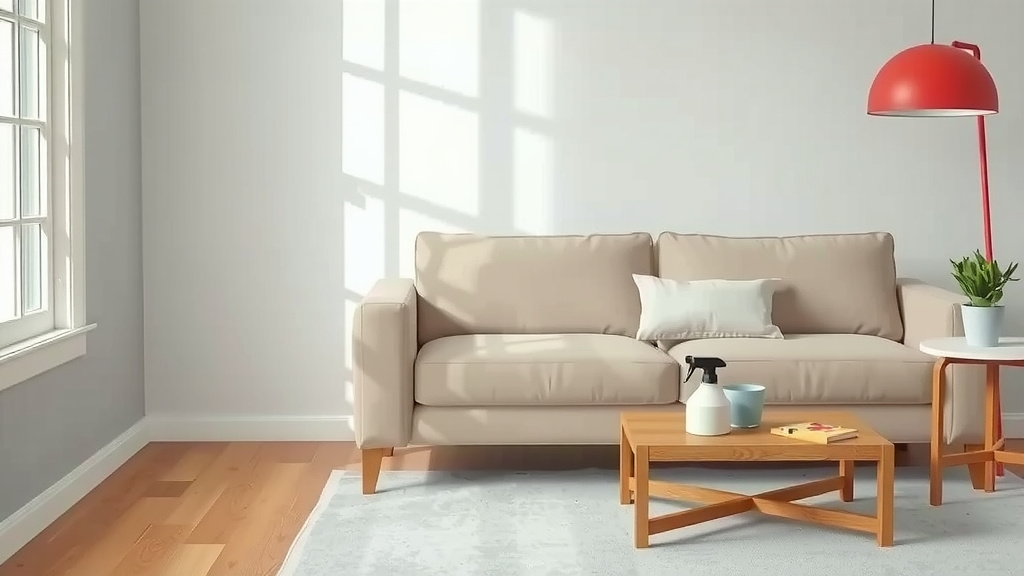
This is a stage people often rush, but it’s **critical**. Never use your sofa while it’s still damp. Damp upholstery can lead to mildew and unpleasant odors. Allow ample time for your sofa to air dry completely. This means no sitting, no leaning, and definitely no pets allowed!
Speeding Up Drying (Carefully!)
Open windows and doors to create a cross-breeze. Point fans at the damp areas. You can even use a hairdryer on a *cool* setting, held at a distance, to help speed things up. Avoid heat, as it can damage some fabrics.
Your Sofa Cleaning Checklist
Here’s a quick rundown to keep handy:
- Check the fabric care tag for cleaning codes.
- Vacuum thoroughly, including under cushions.
- Always spot-test any cleaning solution first.
- Use the right cleaner for your fabric type.
- Blot, don’t rub, when applying cleaners.
- Allow your sofa to dry completely.
Conclusion
You’ve got this! Cleaning your sofa at home is entirely manageable with the right approach. By starting with a thorough vacuum, checking your fabric’s cleaning code, and performing a spot test, you’re setting yourself up for success. Remember to use gentle, appropriate cleaners and allow your sofa to dry completely. Taking these steps will not only refresh your living space but also help extend the life of your beloved sofa. Your next step? Grab your vacuum and get started on making your sofa look and feel its best again!
Frequently Asked Questions
What if my sofa doesn’t have a fabric tag?
If you can’t find a care tag, it’s safest to assume your sofa is delicate. Stick to gentle vacuuming and only attempt cleaning with a very mild, water-based solution after a careful spot test. Many upholstery experts recommend this cautious approach.
Can I use a steam cleaner on my sofa?
Steam cleaning can be effective for some fabrics, but it’s essential to check your sofa’s tag first. ‘S’ coded fabrics should never be steamed. For ‘W’ or ‘WS’ codes, use a steam cleaner specifically designed for upholstery and always follow the manufacturer’s instructions closely.
How often should I clean my sofa?
For general maintenance, vacuuming weekly is ideal, especially if you have pets or kids. A deeper clean, like the one described here, might be needed every few months or as spills and stains occur. Regular light cleaning prevents bigger issues.
Will dish soap really get my sofa clean?
Yes, a mild dish soap and water solution is surprisingly effective for many common upholstery types (‘W’ or ‘WS’ codes). It’s gentle enough to avoid damage while still lifting everyday dirt and light stains. Just be sure to use only a small amount of soap to prevent residue.
How can I remove that lingering pet odor from my sofa?
After vacuuming, an enzymatic cleaner is your best bet for pet odors. These cleaners break down the odor-causing molecules. Apply as directed and let it air dry completely; the odor should dissipate as the product works.

![10 Best Apartment Size Sleeper Sofa [2026]](https://hometopaccesories.com/wp-content/uploads/2026/08/10-best-apartment-size-sleeper-sofa-2026-featured-768x432.jpg)