How to Know if Your Sofa Is Real Leather
So, you’re wondering if that gorgeous sofa is a genuine leather masterpiece or just a clever imitation? The easiest way to tell if your sofa is real leather is by checking its texture and smell. Real leather has a distinct, natural feel and a unique aroma that synthetic materials can’t replicate. You can often spot unique imperfections that are hallmarks of genuine hides.
Identifying real leather takes a bit of detective work. While some faux leathers look convincing, they often fall short in terms of feel and durability. We’ve researched the common signs to help you confidently determine if you’re sitting on the real deal. Look for the natural grain and variations that indicate authenticity.
- Check the texture – real leather feels soft and pliable.
- Sniff for the natural leather smell – synthetics usually don’t have it.
- Look for natural imperfections like small scars or wrinkles.
- Examine the backing material – real leather is usually unfinished.
Below, we’ll walk you through the simple tests you can do to confirm if your sofa is made of authentic leather.
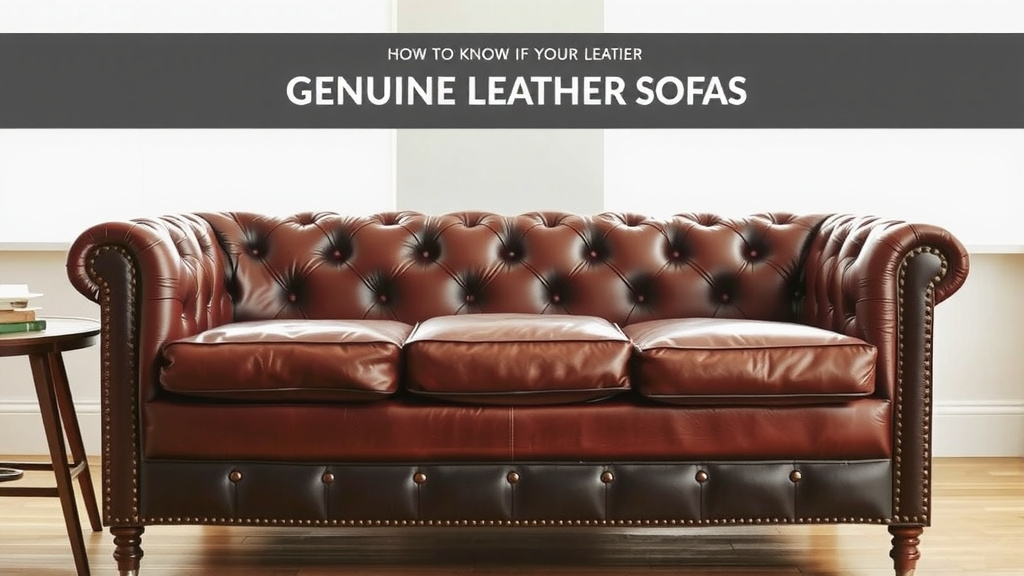
Spotting Genuine Leather Sofas
So, you’re eyeing a sofa and want to know if it’s the real leather deal? You’re in the right place! We’ll guide you through the simple steps to figure this out. It’s less about expensive tools and more about using your senses. After all, your sofa should be a comfortable and authentic addition to your home.
The Feel and Texture Test
One of the most telling signs of real leather is its texture. Genuine leather feels soft, warm, and surprisingly supple to the touch. It has a natural grain that isn’t perfectly uniform. You might even feel tiny variations or subtle bumps. Think of it like a person’s skin – it’s not machine-perfect.
How Real Leather Feels Different
When you run your hand over real leather, you’ll notice it has a pleasant give. It stretches slightly and feels alive under your fingers. It doesn’t feel plasticky or cold, which are common traits of synthetic materials. Many people find this tactile sensation immediately reassuring.
What to Avoid: The Synthetic Feel
Faux leather, on the other hand, often feels smoother but also stiffer. It might feel unnaturally uniform. Sometimes, it can feel cool or slick, almost like a shower curtain. If it feels too perfect or too much like plastic, it’s a strong indicator it’s not real leather.
The All-Important Leather Scent
Authentic leather has a distinct, pleasant aroma. It’s a rich, earthy smell that’s quite unique. This smell comes from the natural oils and tanning process used on the animal hide. You just don’t get this scent from synthetic materials, which often have a chemical or plastic odor.
Trust Your Nose!
Give the sofa a good sniff. Can you detect that classic, slightly musky leather scent? If yes, that’s a very good sign. If it smells faintly of chemicals or like nothing at all, you might be looking at a synthetic alternative. We found that this smell test is incredibly reliable.
When the Smell Isn’t Obvious
Sometimes, finishes applied to real leather can mask the natural smell. However, even with a finish, there’s usually a lingering trace of that authentic leather scent. If there’s absolutely no smell, or a distinctly chemical one, that’s a red flag.
Examining the Details for Authenticity
Beyond the general feel and smell, there are specific details on your sofa that can reveal its true nature. Look closely at the material, especially in less obvious spots. These details often tell the whole story without needing any special tests.
The Grain Pattern: Natural vs. Manufactured
Real leather has a natural, irregular grain pattern. You’ll see variations in the texture and maybe even some subtle creases or wrinkles. It’s like a fingerprint – no two pieces are exactly alike. This natural variation is a hallmark of genuine hides.
What to Look For
Scan the surface for these natural patterns. Look for tiny pores, slight inconsistencies, and a grain that doesn’t look stamped on. Genuine leather often has unique markings, like small scars or brand marks, that add character.
Signs of Imitation Grain
Faux leather often has a very uniform, repeating pattern. This is because it’s usually manufactured using machines that press a pattern onto plastic. If the grain looks too perfect, too symmetrical, or has a “dot” pattern, it’s likely synthetic.
Checking the Edges and Backing
The edges and the underside of the sofa cushions can offer big clues. Real leather hides, when used, often have unfinished or slightly rough edges on the back. You might see a suede-like texture or the raw material.
Unfinished Backing is Key
On the back of the fabric or under cushions, real leather typically won’t have a cloth backing. Synthetic leathers, however, almost always have a fabric or mesh backing to give them structure and durability. We found that checking this hidden area is a highly effective method.
Smooth, Coated Backs Signal Faux
If you find a smooth, coated, or distinctly fabric-like backing, it’s a pretty strong indicator that the material is not genuine leather. Manufacturers of synthetic materials often use these backings for support.
The Water Drop Test (Use with Caution!)
You can sometimes use a small water drop test, but proceed very carefully. Real leather is porous and will absorb a small amount of liquid over time. Synthetic materials will cause water to bead up and sit on the surface, much like it would on plastic.
How to Do It (Gently!)
Find an inconspicuous spot on the sofa, like the back or underside of a cushion. Place a tiny drop of water there. Wait a minute or two. If the water soaks in slightly, it’s likely real leather. If it just sits there or rolls off, it’s probably not.
Why Caution is Needed
Be aware that some real leathers have been treated with water-resistant finishes. This might cause water to bead up even on genuine leather. Also, you don’t want to damage your sofa, so always test in a hidden area and use only a very small amount of water. Many experts recommend avoiding this test if other signs are clear.
Look for Tags and Labels
Don’t forget to check for any tags or labels attached to the sofa. These often provide detailed information about the materials used in its construction. You might find information about the type of leather or if it’s a synthetic alternative.
What the Labels Say
Look for terms like “100% Genuine Leather,” “Full Grain Leather,” or “Top Grain Leather.” If you see terms like “Polyurethane,” “PVC,” “Faux Leather,” “Bonded Leather,” or “Man-Made Materials,” you know it’s not real leather. Sometimes, “bonded leather” is used, which is made from scraps of leather, but it’s not considered premium or top-quality.
The “Flex” and Wrinkle Test
Real leather tends to wrinkle and crease naturally when you bend or press it. When you push down on a real leather surface, it should create small wrinkles that look natural and organic. These creases will often disappear or soften when you smooth the area out.
How Natural Wrinkles Appear
Notice how the material behaves when you sit on it or gently push it. Does it bunch up and form gentle, irregular lines? This is a characteristic of genuine leather’s flexibility. Many furniture makers use this natural creasing as a sign of quality.
Stiff vs. Supple Folds
Synthetic materials often don’t crease in the same way. They might stretch or form sharp, unnatural folds. They tend to feel less forgiving and might not spring back as smoothly. This difference is usually quite apparent once you start looking for it.
A Quick Checklist for Your Sofa Investigation
Here’s a handy checklist to help you remember the key things to look for:
- Smell Test: Does it have a natural, rich leather scent?
- Texture: Does it feel soft, warm, and slightly variable?
- Grain: Are there natural imperfections and an irregular pattern?
- Edges/Backing: Is the backing unfinished or suede-like?
- Label Check: Does the tag confirm genuine leather?
- Flexibility: Does it wrinkle naturally when pressed?
Conclusion
You’ve learned how to use your senses and a few simple checks to identify real leather sofas. By paying attention to the texture, natural smell, and unique imperfections, you can confidently tell genuine leather from its synthetic counterparts. Remember to examine the grain pattern and backing material for even more clues. Armed with this knowledge, you’re ready to make an informed decision about your next sofa purchase. Now, go forth and find that authentic leather comfort for your home!
Frequently Asked Questions
How can I tell if a sofa is bonded leather vs. real leather?
Bonded leather is made from leather scraps ground up and bonded together with adhesives. It often has a more uniform appearance and can feel less supple than genuine leather. If the tag says “bonded leather,” it’s not 100% real leather.
Is a sofa labeled “man-made material” real leather?
No, if a sofa is labeled “man-made material,” it means it’s a synthetic or faux leather product. These are designed to mimic the look of leather but lack the natural feel and durability of genuine hides.
What if the sofa doesn’t have a strong leather smell?
Some real leathers have finishes that can reduce their natural scent. However, you should still detect a faint, pleasant leather aroma. A complete lack of smell or a chemical odor usually indicates a synthetic material.
Can I test for real leather on a brand new sofa in a store?
Yes, you can often test new sofas. Gently touch the material to feel its texture, look for natural grain variations, and check the tags. Most sales associates can also provide information on the sofa’s material composition.
Is full-grain leather the best type of real leather for a sofa?
Full-grain leather is considered the highest quality as it uses the entire grain of the hide with minimal alterations. It’s very durable and develops a beautiful patina over time. While top-grain is also excellent, full-grain is generally preferred for longevity and character.
![10 Best Chaise Sofa Under $1000 [2026]](https://hometopaccesories.com/wp-content/uploads/2026/08/10-best-chaise-sofa-under-1000-2026-featured-768x432.jpg)
![10 Best Cushions For Beige Sofa [2026]](https://hometopaccesories.com/wp-content/uploads/2026/09/10-best-cushions-for-beige-sofa-2026-featured-768x432.jpg)
![10 Best Affordable Reclining Sofa [2026]](https://hometopaccesories.com/wp-content/uploads/2026/08/10-best-affordable-reclining-sofa-2026-featured-768x432.jpg)