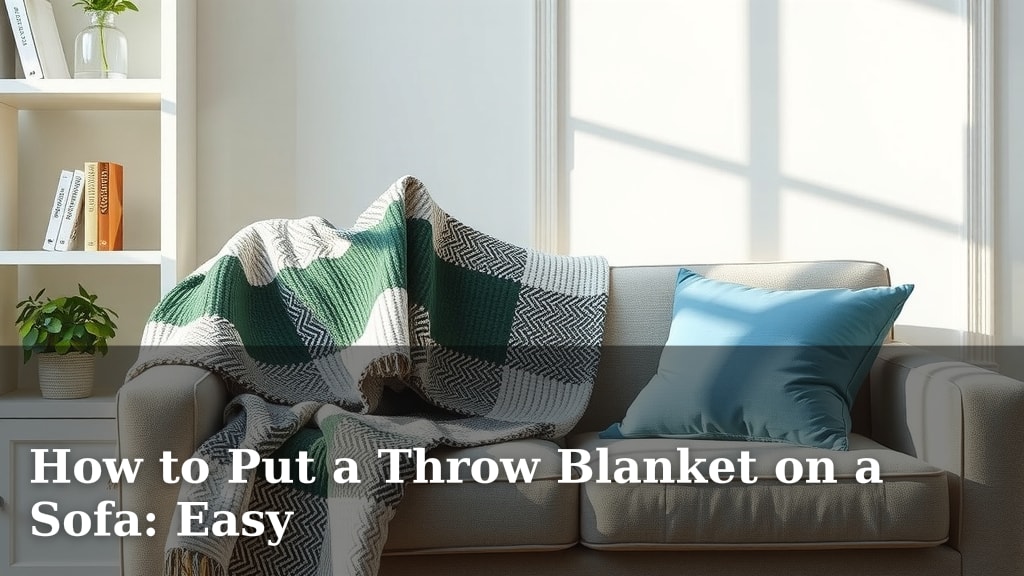
How to Put a Throw Blanket on a Sofa: Easy
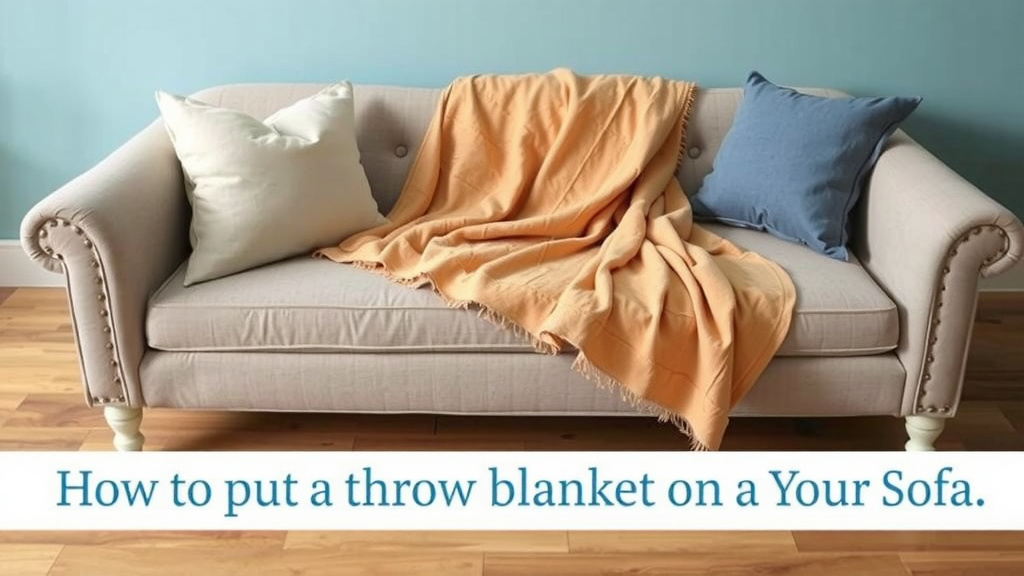
The easiest way to put a throw blanket on a sofa is to simply drape it casually over the back or armrest. You can also fold it neatly for a more structured look. It’s really that simple to add instant style and comfort to your living space.
Beyond just aesthetics, a well-placed throw blanket makes your sofa more inviting. It’s a simple trick that can completely change the feel of a room. Think of it as the perfect finishing touch for your cozy nook.
- Drape it casually over the sofa’s back or arm.
- Fold it neatly for a more polished appearance.
- Consider the blanket’s texture and your sofa’s style.
- It’s a quick way to add personality and warmth.
Let’s walk through a few easy methods to get your throw blanket looking just right on your sofa.
Adding Cozy Style: Simple Ways to Drape a Throw Blanket on Your Sofa
Putting a throw blanket on your sofa is a fantastic way to instantly boost comfort and style. It’s also surprisingly easy! Think of it as the little black dress for your couch. You don’t need to be a design guru to make it look fabulous. We’ll show you a few simple methods to get that perfectly inviting look.
The Casual Drape: Effortless Charm
This is by far the quickest and easiest method. It works for almost any type of throw blanket and sofa. You’re aiming for a relaxed, lived-in feel. It suggests comfort and approachability.
Draping Over the Sofa Back
Start by simply unfolding your throw. Hold it by two corners. Then, let it hang over the top of your sofa’s backrest. Adjust it so it falls evenly on both sides. You can let it hang straight down or allow it to slouch a bit. This creates a very casual and welcoming appearance. It’s perfect for a sofa that’s frequently used.
Draping Over an Armrest
Another simple option is to drape the blanket over one of the sofa’s armrests. Spread the blanket out. Place one corner on the top of the armrest. Let the rest of the blanket cascade down the side of the sofa. You can let it hang all the way to the floor or just a little way down. This adds a pop of texture and color to a specific spot.
The “Tuck and Drape” Technique
For a slightly more put-together casual look, try a gentle tuck. Drape the blanket over the back of the sofa as usual. Then, lightly tuck a small portion of the blanket into the crevice where the back cushions meet the seat cushions. Don’t overstuff it. This keeps the blanket from sliding off too easily. It adds a touch of intentionality without looking stiff.
The Folded Look: Polished and Tidy
If you prefer a cleaner, more organized aesthetic, folding your throw blanket is the way to go. This method works particularly well with thicker or more structured blankets. It’s great for sofas with a modern or minimalist design. It suggests a space that is neat and well-maintained.
The Simple Half-Fold
Begin by folding your blanket in half lengthwise. Make sure the edges are aligned. Then, fold it in half again, or into thirds, depending on the blanket’s size. You want to create a neat rectangle or square. Place this folded blanket on the corner of the sofa seat or on the armrest. It looks tidy and is ready for use.
The “Concertina” or Accordion Fold
This method creates lovely soft folds. Lay your blanket flat. Fold one side inward by about a third of the width. Then, fold the remaining side over the first fold, creating a central band. You’ll have a long, folded strip. You can then fold this strip in half or thirds to create a neat package. This looks especially good when placed on the sofa back.
The Roll Method
Rolling your throw can give a relaxed yet neat appearance. Lay the blanket flat. Fold it in half lengthwise. Then, starting from one end, tightly roll the blanket up towards the other end. Once rolled, you can place it on an armrest or neatly on the seat. This works well for softer, more pliable throws.
Considering Texture and Material
The type of throw blanket you have will influence how it drapes and folds. Different materials behave differently. Consider the weight and texture of your throw. A heavy knit blanket will have a different look than a lightweight faux fur throw. Research and found that heavier materials tend to hold folds better. Lighter materials might drape more softly and casually. Think about the overall vibe you want for your living room.
For instance, a chunky knit throw might look best with a simple, casual drape over the back. Its texture will add visual interest. A silky or satin throw might look more elegant when folded neatly and placed on an armrest. A fleece blanket is forgiving and can be draped or folded with ease. Ultimately, experiment to see what looks best in your space.
Matching Your Throw to Your Sofa Style
The goal is to make your sofa look inviting, not cluttered. Think about the scale and color of your throw blanket relative to your sofa. A large, brightly colored throw can be a statement piece on a neutral sofa. A smaller, more subtly textured throw might blend in nicely with a patterned sofa. Many designers suggest choosing a throw in a color that complements, rather than matches exactly, your sofa. This creates depth.
Consider the sofa’s material, too. A leather sofa can handle a bit of weight and texture. A delicate fabric sofa might benefit from a lighter, softer throw. We found that contrasting textures often create the most visually appealing arrangements. For example, a smooth velvet sofa paired with a fluffy, textured throw. It’s a tactile delight!
Quick Tips for a Perfect Finish
Here are a few final pointers to help your throw blanket look its best:
- Evenness is key, even in a casual drape. Make sure one side isn’t significantly longer than the other unless that’s a specific stylistic choice.
- Smooth out wrinkles as you arrange. This makes any fold or drape look more intentional.
- Consider the season. Heavier, cozier textures are great for fall and winter. Lighter, more breathable fabrics suit spring and summer.
- Don’t be afraid to experiment! What looks good on one sofa might be slightly different on another.
- Step back and look. See how the throw looks from different angles in the room.
- Rotate your throws if you have more than one. Keep your decor feeling fresh.
When to Use a Throw vs. a Quilt
While both add warmth and style, throws and quilts serve slightly different purposes. Throws are generally smaller and more decorative. They are designed to be draped or folded artfully. Quilts are typically larger and designed for actual warmth. They are often more utilitarian but can still be styled beautifully. We found that quilts can be folded more formally at the foot of a sofa for a cozy, layered look.
| Feature | Throw Blanket | Quilt |
|---|---|---|
| Primary Use | Decoration, adding texture, light warmth | Bedding, substantial warmth, decorative layer |
| Size | Smaller, typically 50×60 inches or similar | Larger, designed for beds (twin, queen, king) |
| Styling on Sofa | Draped casually, folded neatly on arm/back, artfully arranged | Folded neatly at the foot of the sofa, draped for a bolder statement |
| Material Focus | Emphasis on texture (fleece, knit, faux fur, wool) | Emphasis on patterns, stitching, and fabric layers |
Choosing between a throw and a quilt often comes down to the desired effect. If you want a quick, stylish accent, a throw is your best bet. If you’re aiming for a more substantial, layered look, a quilt can work wonders. Experts at the Interior Design Institute often suggest that the key is scale and how it fits the furniture.
A Simple Checklist for Arranging Your Throw
Ready to style your sofa? Here’s a quick checklist:
- Choose your preferred method: Casual Drape or Neat Fold.
- Unfold or fold the blanket according to your chosen style.
- Position it on the sofa back, armrest, or seat.
- Adjust for evenness and smooth out major wrinkles.
- Step back and admire your work!
- Does it feel inviting and comfortable?
Conclusion
You’ve learned how simple it is to add a touch of personal style and extra comfort to your sofa with a throw blanket. Whether you prefer a relaxed, casual drape or a neatly folded accent, the key is to experiment. Consider your blanket’s texture and your sofa’s existing style. Don’t be afraid to play with different arrangements. Your living space can instantly feel more inviting and cozy with this easy decorating trick. Now, go ahead and give your sofa that perfect finishing touch!
Frequently Asked Questions
How do I prevent my throw blanket from sliding off the sofa?
For a casual drape, you can try the “tuck and drape” technique by gently tucking a small portion of the blanket into the seat cushion crevice. If you prefer a folded look, a neater fold is less likely to slip. Some people also use non-slip rug pads cut to size and placed under the blanket for extra grip.
What’s the best way to fold a throw blanket for a sofa?
You have several easy options! The simple half-fold creates a neat rectangle, while the “concertina” or accordion fold gives a softer, layered look. Rolling your throw can also provide a relaxed yet tidy appearance. Choose the fold that best suits your blanket’s material and your sofa’s style.
Can I use a throw blanket even if my sofa is already patterned?
Absolutely! A patterned sofa can still benefit from a throw blanket. Try a throw in a solid color that complements one of the colors in your sofa’s pattern. Alternatively, select a throw with a subtle texture or a smaller, more understated pattern. This adds depth without overwhelming the existing design.
How do I choose the right size throw blanket for my sofa?
For most standard sofas, a throw around 50×60 inches is a good size for draping or folding. If you have a larger sectional or want a more substantial look, consider a slightly larger throw. The goal is for it to look intentional and proportionate to your sofa, not too small or overwhelming.
What’s the difference between styling a throw blanket and a quilt on a sofa?
Throws are generally smaller and more about adding decorative texture and light warmth, so they’re often draped casually or folded neatly on armrests or backs. Quilts are larger and designed for more substantial warmth; when styled on a sofa, they are often folded more formally at the foot for a layered, cozy effect.
![10 Best Cheap Futon Sofa [2026]](https://hometopaccesories.com/wp-content/uploads/2026/08/10-best-cheap-futon-sofa-2026-featured-768x432.jpg)
![10 Best Cleaner For Faux Leather Sofa [2026]](https://hometopaccesories.com/wp-content/uploads/2026/09/10-best-cleaner-for-faux-leather-sofa-2026-featured-768x432.jpg)
![10 Best Affordable Reclining Sofa [2026]](https://hometopaccesories.com/wp-content/uploads/2026/08/10-best-affordable-reclining-sofa-2026-featured-768x432.jpg)