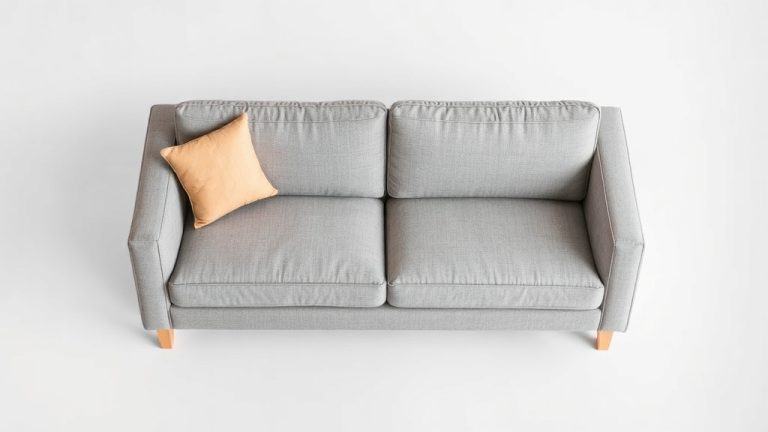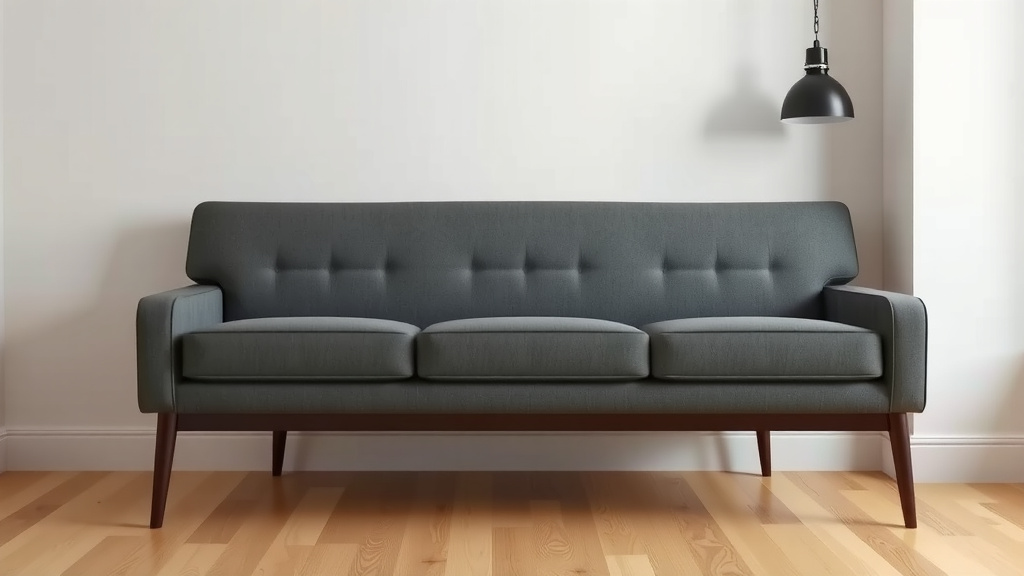
How to Build a Jack Knife Sofa: Step-by-Step Guide
Building a jack knife sofa starts with a basic wooden frame, hinges that let the seat fold flat, and a mattress on top. The easiest way to build one is to construct a simple box frame, attach folding hinges at the back of the seat, then add the cushion and mattress. That’s really the heart of it.
Why go DIY? We researched this topic and found that a store-bought jack knife sofa can run well over $1,000, while a homemade version often costs a fraction of that. Plus, you get to pick your own fabric, foam density, and dimensions, so it actually fits your space, whether that’s an RV, a tiny guest room, or a camper.
TL;DR — Quick Takeaways:
- A jack knife sofa is a seat that folds flat into a bed using simple hinges.
- You’ll need plywood, folding seat hinges, foam, fabric, and basic tools.
- Measure your space first — size mistakes are the most common DIY headache.
- Build the frame, attach the hinges, then add the mattress and upholstery.
- Most weekend builders can finish one in a day or two with the right plan.
Below, we break down everything you need to know about building a jack knife sofa, step by step — tools, materials, measurements, and the little tricks we found that save you time. Ready? Let’s dig in.
Building Your Own Jack Knife Sofa Step by Step
The fastest path to a finished sofa is this: build a two-part frame, connect the parts with folding hinges, then top it with foam and fabric. We found that most DIY builders finish in a weekend. Some finish in a single Saturday if they cut their wood at the store.
Here’s the honest truth: this project is more like assembling a big puzzle than fine woodworking. If you can build a sturdy box, you can build this sofa. Let’s walk through it together.
Tools and Materials You’ll Actually Need
Don’t overthink your shopping list. We found that most builds use the same handful of items. Here’s what you’ll want on hand before you start.
- 3/4-inch plywood for the frame, seat, and back panels
- 2×4 lumber for internal support and legs
- Folding sofa hinges (sometimes called knife-edge or seat hinges)
- Wood screws (2.5-inch) and wood glue
- High-density foam, usually 4 to 5 inches thick for the seat
- Fabric or vinyl upholstery, plus a staple gun
- Drill, circular saw or table saw, tape measure, and square
A quick tip from our research: many lumberyards and big-box stores will cut plywood to size for you. That alone can save you an hour and a few choice words.
Measuring Your Space Before You Cut
Measure twice, cut once — the old saying exists for a reason. Grab a tape measure and write down three numbers: the width of your space, the depth you want when the sofa is open as a bed, and the height from floor to seat.
Most jack knife sofas run 48 to 72 inches wide and fold out to roughly 38 to 42 inches deep. Keep about 6 inches of clearance behind the sofa so the back can fold down without hitting a wall. And check for anything in the way — outlets, radiator covers, that one stubborn drawer that never closes right.
Constructing the Sofa Frame
The frame is just two boxes: a seat box and a back box. The seat box holds the cushion when you’re sitting. The back box holds the mattress that flips out to become the bed.
Building the Seat Box
Cut two side panels and a front panel from plywood. Add a 2×4 rail across the top edge for strength. Screw and glue everything together, then check for square by measuring diagonally corner to corner. If both diagonals match, you’ve done it right.
Adding Support Rails
Slide one or two 2x4s across the middle of the box. These rails carry your weight when you sit down, so don’t skimp here. Many builders we read about also add a plywood deck on top of the rails for extra firmness.
Building the Back Panel
The back is a flat plywood panel, usually 20 to 24 inches tall, with its own foam pad. This piece swings down to meet the seat and becomes half of your bed. Think of it as the couch’s chameleon side.
Attaching the Folding Hinges
This is the step where the “jack knife” magic happens. Position the folding hinges along the back edge of the seat box, spaced evenly — usually two or three hinges depending on width. Screw them into both the seat and the back panel.
Test the fold before you upholster anything. Seriously. Unfold it, fold it, sit on it. If something binds or scrapes, fix it now while the frame is still naked and easy to adjust.
Adding the Legs and Reinforcing the Base
Cut four legs from 2×4 stock and attach them at the corners with glue and screws. Some builders use store-bought metal sofa legs instead — they look sharper and install in minutes.
Reinforce the base with corner brackets if you plan to use the sofa in an RV or camper, where road vibrations shake joints loose over time. A few extra screws now beats a wobbly couch later.
Choosing the Right Foam and Cushions
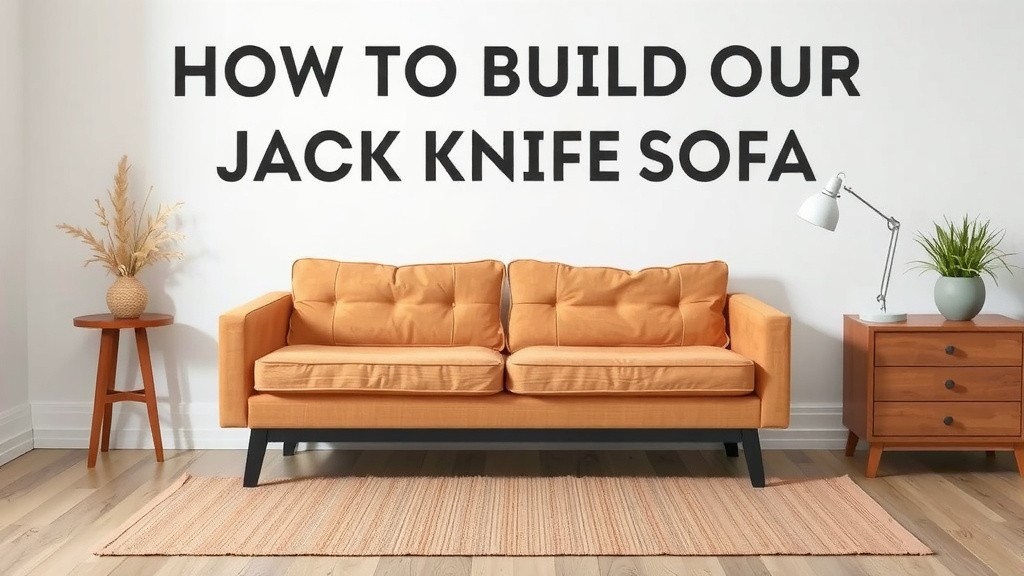
Foam choice makes or breaks comfort. Most guidelines suggest high-density foam rated around 1.8 or higher for seating that holds its shape (the Foam Factory and similar upholstery resources cover this well). For a seat that doubles as a bed, a 4-to-5-inch layer works for most people. If you’re weighing density options, our guide to how long sofa foam lasts covers which grades hold up.
Spine health matters too. Experts at the Cleveland Clinic note that a mattress that’s too soft can aggravate back pain, so lean toward firmer foam if guests will sleep on this regularly. Your future houseguests will thank you — quietly, at 2 a.m., in a good way.
| Foam Density | Best For | Feel |
|---|---|---|
| 1.2 – 1.5 lb | Occasional use | Soft, wears faster |
| 1.8 lb | Daily seating | Firm, balanced |
| 2.0 lb+ | Heavy everyday use | Very firm, longest lasting |
Upholstering Your New Sofa
Time to make it pretty. Cut your fabric with about 3 extra inches on every side, then pull it taut and staple it to the underside of the plywood. Work from the center outward, alternating sides, the same way you’d stretch a canvas.
Upholstery Fabric Options
For RVs and campers, marine vinyl wipes clean easily. For home use, a heavy-duty canvas or polyester blend resists wear. Many experts say a fabric with a high “double rub” count (a wear-rating used in the furniture industry) will outlast cheaper options.
Final Assembly and Safety Checklist
Before you declare victory, run through this quick list. It takes five minutes and saves headaches later.
- All screws tightened and no sharp corners exposed
- Hinges fold smoothly through a full cycle, three times in a row
- Sofa sits level on the floor with no rocking
- Fabric edges stapled flush with no loose folds
- Weight tested — sit down firmly on the seat and back
- Rough edges sanded smooth, especially if kids will climb on it
One last safety note: structural failures in DIY furniture usually come from loose fasteners, not bad design. Double-check your screws and glue joints, and you’re in good shape.
Common Mistakes to Avoid When Building a Sofa Bed
We found that first-time builders tend to trip on the same few stones. Avoid these and your build goes much smoother.
Skipping the clearance check. If your sofa can’t unfold fully, it’s just a couch with ambitions. Verify the fold-out space before building.
Buying cheap hinges. Hinges take your full weight every time someone sits or sleeps. Budget ones flex and fail. Spend a few dollars more.
Using thin foam. Anything under 3 inches feels like sitting on a park bench. We found 4 to 5 inches is the sweet spot.
Upholstering too early. Fabric hides problems. Assemble, test, adjust — then upholster last.
That’s the whole build. Take your time, measure carefully, and don’t be afraid to make a test cut on scrap wood first. Your back — and your guests — will be glad you did.
Conclusion
Building your own jack knife sofa comes down to a sturdy two-box frame, quality folding hinges, and foam that’s thick enough to actually sleep on. We found that the builds that succeed share three habits: careful measurements up front, a test fold before any fabric goes on, and hinges that don’t cut corners on quality. Skip those, and you’ll learn the hard way. Nail them, and you’ll end up with a sofa-bed that fits your space perfectly and costs a fraction of what stores charge. So grab your tape measure, sketch out your dimensions tonight, and head to the lumberyard this weekend. Your first cut is the only thing standing between you and a finished sofa.
Frequently Asked Questions
How much does it cost to build a jack knife sofa yourself?
Most DIY builds land between $150 and $400 depending on foam quality, fabric, and hinge type. Plywood and lumber are usually the cheapest parts, while high-density foam and marine vinyl push the price up. It’s still far less than the $1,000+ you’d spend on many store models.
Can I use a regular mattress on a homemade jack knife sofa?
We’d advise against it. A traditional mattress is too heavy and rigid to fold cleanly with standard sofa hinges. Stick with a folding foam mattress or a custom-cut foam pad so the hinge mechanism works smoothly for years.
What kind of hinges work best for a jack knife sofa?
Look for heavy-duty knife-edge or piano-style folding hinges rated for at least 300 pounds per pair. We found that cheap hinges are the number one cause of failed DIY builds. Brass or steel hinges from a reputable hardware brand are worth the extra few dollars.
Is a jack knife sofa comfortable enough for everyday sleeping?
It can be, if you build it right. Use high-density foam at least 4 inches thick and err on the firmer side for spinal support. For nightly use, adding a thin memory foam topper on top of the seat cushion makes a noticeable difference.
Do I need woodworking experience to build one?
No — this is honestly a beginner-friendly project. The frame is basically two sturdy boxes joined by hinges, with straight cuts and simple screw-and-glue joints. If you can build a bookshelf, you can handle this, especially if the store cuts your plywood for you.