How to Get Blood Out of a Sofa: Step-by-Step
The easiest way to get blood out of a sofa is to act fast and use cold water. Fresh blood stains respond best to quick treatment before they have a chance to set. This method is effective for most fabric types, but always test in an inconspicuous area first.
Accidents happen, and a little blood on the couch doesn’t mean the end of your furniture’s life. We’ve researched various methods and found that a combination of gentle cleaning agents and consistent effort can restore your sofa. Understanding the fabric type is key to avoiding further damage while tackling the stain.
- Act quickly on fresh blood stains.
- Always use cold water, never hot.
- Test cleaning solutions on a hidden spot first.
- Blot, don’t rub, to avoid spreading the stain.
- Be patient; some stains may require repeat treatments.
Below, we’ll walk you through the most effective steps for removing blood from your sofa, ensuring you can say goodbye to that unsightly stain.
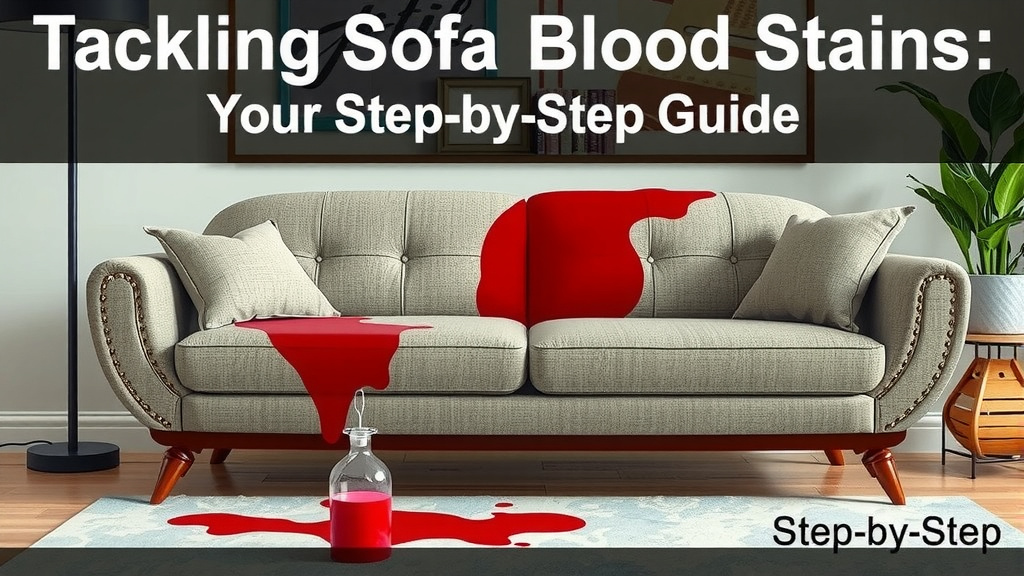
Tackling Sofa Blood Stains: Your Step-by-Step Guide
So, you’ve got a blood stain on your sofa. Don’t panic! Accidents happen to everyone, and that unwelcome spot doesn’t have to ruin your day or your furniture. We’ve researched the best ways to deal with this common household issue. The key is acting quickly and using the right techniques.
Understanding Your Sofa Fabric First
Before you grab any cleaner, take a moment to identify your sofa’s fabric. This step is incredibly important. Different materials react differently to cleaning solutions. Using the wrong product could make the stain worse or damage the upholstery. Most sofas have a tag with cleaning codes. These codes tell you what’s safe to use.
Decoding Sofa Cleaning Codes
You’ll usually find a tag under a cushion or on the sofa’s frame. Look for these codes:
- W: Use water-based cleaners. This is the most common and easiest to handle.
- S: Use solvent-based cleaners only. Water can damage these fabrics.
- W/S: You can use either water-based or solvent-based cleaners. Lucky you!
- X: Do not use any liquid cleaners. You’ll likely need to vacuum or brush the stain away.
If your sofa has an ‘X’ code, you’ll need to be extra careful. Stick to dry methods like gentle brushing or vacuuming. For the other codes, you can proceed with the following steps. We’ll focus on water-safe fabrics here, as they are the most common.
The Golden Rule: Cold Water is Your Best Friend
This is a critical point to remember. Always use cold water for blood stains. Hot water can actually set the stain, making it much harder to remove. Think of it like cooking an egg – heat changes its structure. Blood is similar; heat binds it to the fabric fibers. Cold water helps to lift the stain without making it permanent.
Gathering Your Cleaning Supplies
You likely have most of what you need already. Having these items ready will help you act fast:
- Clean white cloths or paper towels (avoid colored ones that could transfer dye).
- A bowl of cold water.
- Mild dish soap or laundry detergent (for ‘W’ or ‘W/S’ fabrics).
- A spray bottle (optional, but helpful for applying solutions).
- A soft-bristled brush or an old toothbrush (for tougher stains).
- A small fan or hairdryer on a cool setting (for drying).
Step-by-Step Blood Stain Removal Process
Let’s get to it! Remember, patience is key here. Don’t rush the process.
Step 1: Blotting the Fresh Stain
If the blood is still wet, your first move is to blot up as much as possible. Take a clean white cloth or paper towel. Gently press it onto the stain. You want to absorb the liquid blood. Do not rub! Rubbing will push the blood deeper into the fabric and spread it around. Keep blotting with a clean section of the cloth until no more blood transfers.
Step 2: Creating a Gentle Cleaning Solution
For ‘W’ or ‘W/S’ fabrics, a simple solution works wonders. Mix a small amount of mild dish soap or liquid laundry detergent with cold water. A good ratio is about 1 teaspoon of soap to 1 cup of cold water. Too much soap can leave a residue. We found that many experts recommend using the least amount of cleaning agent possible.
Step 3: Testing the Solution
This is a vital step before applying any cleaner to the stain. Find an inconspicuous spot on your sofa, like the back or underneath a cushion. Apply a small amount of your cleaning solution there. Let it sit for a few minutes. Then, blot it with a clean cloth. Check for any discoloration or damage to the fabric. If it looks good, you’re ready to move on.
Step 4: Applying the Solution and Blotting
Dampen a clean white cloth with your cold water and soap mixture. Again, you want it damp, not soaking wet. Gently blot the blood stain with the cloth. Work from the outside of the stain inward. This helps prevent spreading. As you blot, you should see the stain transferring to your cloth. Switch to a clean section of the cloth frequently. You might need to repeat this multiple times.
Step 5: Rinsing the Area
Once the stain appears to be gone, you need to rinse away the soap residue. Dampen a new, clean cloth with plain cold water. Gently blot the area. This removes any lingering soap. If you leave soap behind, it can attract dirt later on. We found that a thorough rinse is often overlooked but makes a big difference.
Step 6: Drying Your Sofa
Allow the area to air dry completely. You can speed this up with a fan or a hairdryer on a cool setting. Avoid using heat, as it can set any remaining faint stain. Make sure the area is thoroughly dry before using the sofa again. Dampness can lead to mildew. Plus, you don’t want to transfer moisture to your clothes.
Dealing with Stubborn or Dried Blood Stains
Sometimes, blood stains are older or tougher. For these, you might need a slightly stronger approach. After trying the cold water and soap method, if a faint mark remains, consider using a paste of baking soda and cold water. Apply the paste to the stain and let it sit for about 30 minutes. Then, gently brush it away and blot with a clean, damp cloth. Some sources suggest using a hydrogen peroxide solution (3%) on light-colored fabrics, but always test this first in a hidden area. Hydrogen peroxide can bleach darker fabrics (Cleveland Clinic).
When to Call a Professional
If you’ve tried these steps and the stain is still visible, or if you’re dealing with a delicate fabric like silk or velvet, it might be time to call in the experts. Professional upholstery cleaners have specialized tools and solutions. They can often remove stains that DIY methods can’t touch. It’s better to pay for professional cleaning than to risk damaging your sofa permanently.
Quick Checklist for Blood Stain Removal
Here’s a quick rundown to keep handy:
- Identify fabric type and cleaning code.
- Always use cold water, never hot.
- Test any cleaning solution first.
- Blot gently, don’t rub.
- Work from the outside in.
- Rinse thoroughly to remove soap.
By following these steps, you can confidently tackle blood stains on your sofa and keep your furniture looking its best.
Conclusion
You’ve got this! Removing blood from your sofa doesn’t have to be a daunting task. By acting fast and using the simple, cold-water method we outlined, you can often tackle fresh stains with ease. Remember to always check your sofa’s cleaning code and test any solution first. For tougher or older stains, a gentle paste or a professional can help. You’ve learned the key steps to keep your sofa looking its best. Your next step is to keep a clean white cloth and some cold water handy, just in case.
Frequently Asked Questions
Can I use hot water to clean blood out of my sofa?
No, you should absolutely avoid hot water. Heat can actually set blood stains into your sofa’s fabric, making them much harder to remove. Always stick to cold water for the best results when dealing with blood.
What should I do if my sofa has an ‘X’ cleaning code?
If your sofa has an ‘X’ code, it means you should not use any liquid cleaners. Your best bet is to gently vacuum or brush the stain away. Avoid getting the fabric wet, as this could cause damage.
How do I know if a cleaning solution is safe for my sofa fabric?
Before applying any cleaner to the stain, always test it on an inconspicuous area of your sofa first. This could be under a cushion or on the back of the sofa. Check for any signs of discoloration or damage after it dries.
Is there anything stronger than soap and water for dried blood stains?
For dried or stubborn stains, you can try a paste made from baking soda and cold water. Let it sit on the stain for about 30 minutes before gently brushing it off. For light-colored fabrics, a diluted hydrogen peroxide solution can be tested, but always on a hidden spot first.
When should I consider calling a professional upholstery cleaner?
If you’ve tried the recommended methods and the stain is still visible, or if your sofa is made of a delicate material like silk or velvet, it’s best to call a professional. They have specialized tools and solutions that can safely remove tough stains.

![10 Best Costco Leather Sofa [2026]](https://hometopaccesories.com/wp-content/uploads/2026/09/10-best-costco-leather-sofa-2026-featured-768x432.jpg)
![10 Seater Sofa [2026]](https://hometopaccesories.com/wp-content/uploads/2026/08/10-seater-sofa-2026-featured-768x432.jpg)
![10 Best Cotton Sofa Covers [2026]](https://hometopaccesories.com/wp-content/uploads/2026/09/10-best-cotton-sofa-covers-2026-featured-768x432.jpg)