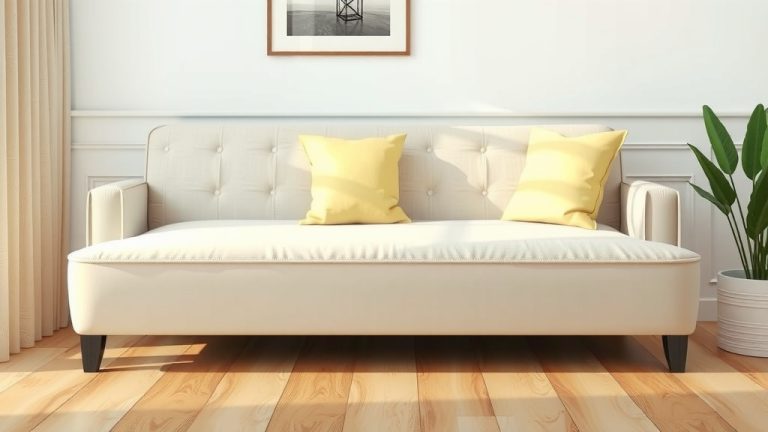
How Deep Is the Average Sofa? Easy Guide
The average sofa depth is typically around 35 to 40 inches. This measurement refers to the distance from the front of the seat cushion to the back of the sofa. Knowing this standard depth can help you make the best furniture choices for your living space, ensuring both comfort and proper fit. It’s a key dimension for anyone considering a new couch.
Beyond just depth, sofa size encompasses width and height too. You’ll find that seat depth, the space from the front of the seat cushion to the backrest, also plays a big role in comfort. We found that understanding these varied measurements helps immensely when shopping. It prevents those awkward moments where a couch looks great but just doesn’t feel right.
- Average sofa depth: 35-40 inches.
- Depth is front of seat to back of sofa.
- Seat depth also affects comfort.
- Consider all sofa dimensions for a good fit.
Let’s dive into how to measure your sofa’s depth and what factors influence it, so you can confidently choose the perfect piece.
Understanding Sofa Depth: Your Comfort Compass
So, you’re curious about how deep a sofa typically is. You’ve probably landed here because you’re shopping for a new couch, or maybe you’re rearranging your living room and want to make sure everything fits just right. We’ve got you covered!
The average sofa depth usually sits between 35 and 40 inches. Think of this as the main measurement for how far the sofa extends out from your wall. It’s a really important dimension for several reasons. Getting this right impacts both comfort and the overall flow of your room. Let’s break down what that number really means for you.
What Exactly Is Sofa Depth?
When we talk about sofa depth, we’re generally referring to the overall depth. This is the distance from the very front edge of the sofa to the very back. It’s the number you’ll see listed first in most furniture descriptions. This measurement tells you how much floor space the sofa will occupy. It’s helpful to imagine it as the sofa’s footprint.
For instance, a 38-inch deep sofa will jut out 38 inches from your wall. You need to make sure you have enough space for this. This overall depth is different from seat depth, which is a bit more specific to your sitting comfort. We’ll get to that soon!
Why Does Sofa Depth Matter So Much?
This dimension plays a huge role in how you’ll use and feel about your sofa. A deeper sofa often means more room to curl up and relax. Think of sinking into a plush couch with a good book. That’s often a sign of a deeper seat and a deeper overall sofa.
Conversely, a shallower sofa might be better for smaller rooms. It can make a space feel larger by not intruding as much. We found that considering the available floor space is key. You don’t want a sofa that makes your room feel cramped. It’s a delicate balance of style and practicality.
Exploring Sofa Dimensions: Beyond Just Depth
While depth is a major player, it’s not the only dimension that defines a sofa. To truly understand how a sofa will fit your life and your living space, you need to consider its width and height too. These all work together to create the overall presence of your furniture.
Think of it like a puzzle. Each piece (width, depth, height) has to fit perfectly for the whole picture to be right. Let’s look at how these other measurements complement the depth.
Understanding Sofa Width
Sofa width is the measurement from one armrest to the other. This is what usually determines how many people can comfortably sit on it. A standard three-seater sofa might be around 80 to 90 inches wide.
If you have a large family or love hosting guests, a wider sofa might be on your list. For smaller apartments, a more compact width can save precious floor space. We found that many shoppers often focus heavily on width, sometimes overlooking the importance of depth and height.
Considering Sofa Height
Sofa height typically refers to the overall height from the floor to the highest point of the sofa, usually the backrest. This can range from 30 inches to over 35 inches. A taller sofa can make a statement in a room, while a lower profile sofa can give a more modern or minimalist feel.
The height also affects how the sofa looks in relation to your other furniture and decor. For example, a very tall sofa might overpower a small coffee table. We found that visually, height can drastically change the perceived size of a room. It’s a detail that can make a big difference.
The Crucial Role of Seat Depth
Now, let’s talk about a measurement that directly impacts your comfort: seat depth. This is the distance from the front edge of the seat cushion to the backrest. It’s where you actually sit, so it’s pretty important!
Seat depth can vary quite a bit. Some sofas have deeper seats, perfect for lounging and crossing your legs. Others have shallower seats, which can be easier to get up from and may suit shorter individuals better. We found that this is often a deal-breaker for comfort.
What’s the Average Seat Depth?
On average, you’ll find seat depths ranging from about 21 to 24 inches. This range offers a good balance for most people. A 22-inch seat depth is quite common and works well for many body types. If you like to really sink in, you might lean towards the higher end of this range.
If you’re on the shorter side, a seat depth over 23 inches might mean your feet don’t quite touch the floor when you sit back. This can be uncomfortable for some. We advise trying to test this out if possible.
How Seat Depth Affects Your Posture
The right seat depth can encourage better posture. When the seat depth is too deep, you might find yourself slouching or perching on the edge. This isn’t ideal for your back. Conversely, a seat that’s too shallow might not offer enough support for your thighs.
Many experts suggest that the ideal seat depth allows your back to rest comfortably against the backrest while your feet remain flat on the floor. This is a widely recommended guideline for ergonomic seating (Cleveland Clinic). Finding this sweet spot is key for long-term comfort.
Measuring Your Current Sofa’s Depth
Want to know how your current sofa stacks up? Measuring is easy! Grab a tape measure. First, measure the overall depth. Start at the front edge of the sofa and pull the tape measure straight back to the furthest point of the backrest. This is your overall depth.
Next, measure the seat depth. Sit on the sofa and place the tape measure on the front edge of the seat cushion. Run it back to where the seat cushion meets the backrest. This gives you the seat depth. We found that doing this helps you identify exactly what you like (or don’t like) about your current setup.

Factors Influencing Sofa Depth Choices
Your choice of sofa depth isn’t just about numbers; it’s about how you live. Several factors influence what depth will work best for your home and your lifestyle. Let’s consider these practical aspects.
Room Size and Layout
The size of your living room is a primary consideration. A large, open-plan living room can easily accommodate a deeper, more expansive sofa. It can help define a seating area without making the room feel cluttered. For smaller apartments or cozy nooks, a shallower sofa might be more appropriate.
Think about traffic flow. You need enough space to walk around the sofa comfortably. We found that a sofa that’s too deep can act as a barrier, making a room feel smaller and harder to navigate. Measure your space carefully!
Your Personal Comfort Needs
Are you a serious lounger who loves to curl up? Do you prefer to sit more upright? Your personal comfort preferences are incredibly important. Deeper sofas, generally 39 inches or more, offer more room to stretch out and relax.
If you have shorter legs, a shallower seat depth (around 20-21 inches) might be more comfortable. For taller individuals, a deeper seat can provide better thigh support. We’ve heard from many people that trying sofas in person is the best way to gauge comfort.
Sofa Style and Design
Different sofa styles naturally lend themselves to different depths. For example, modern or minimalist sofas often feature a sleeker, sometimes shallower, design. Traditional or English roll-arm sofas tend to be deeper, offering a plush, sink-in feel.
The aesthetic you’re going for in your room will also guide your decision. A sofa’s depth contributes significantly to its visual weight and style. We found that designers often balance proportions – a very deep sofa might have a lower profile height to keep it from looking too bulky.
Who Will Use the Sofa?
Consider who will be using the sofa most often. If you have young children, a deeper sofa might be great for playtime. If you have elderly family members or guests with mobility issues, a sofa that’s easier to get in and out of might be preferable. This means looking at both overall depth and seat depth.
A sofa that’s too deep might be challenging for some to stand up from. Think about how easy it is to rise from a seat. We found that many people appreciate sofas with a slightly firmer cushion for easier accessibility.
Sofa Depth Checklist for Your Next Purchase:
- Measure your available floor space first.
- Consider the traffic flow around the sofa.
- Think about how you like to sit and relax.
- Check the seat depth for your leg length.
- Match the sofa’s depth to your room’s style.
- If possible, test sofas for comfort before buying.
Conclusion
Choosing the right sofa depth is more than just a number; it’s about creating a comfortable and functional living space. You’ve learned that the average sofa depth generally falls between 35 to 40 inches, with seat depths typically ranging from 21 to 24 inches. These dimensions directly impact how you relax, move around your room, and how the sofa visually fits your style. By considering your room’s size, your personal comfort needs, and who will use the sofa, you can make an informed decision. Now you’re ready to find a sofa that’s perfectly suited to your home and lifestyle!
Frequently Asked Questions
Will a deeper sofa make my room look smaller?
A deeper sofa can make a room feel smaller if it obstructs traffic flow or overwhelms the space. If you have a compact room, a shallower sofa might be a better choice to maintain an open feel. Measure your room carefully to ensure comfortable movement around the furniture.
What’s the best seat depth for someone with shorter legs?
For individuals with shorter legs, a shallower seat depth, typically around 20 to 21 inches, is often more comfortable. This allows your feet to rest flat on the floor when you lean back. Too deep a seat can leave your legs dangling uncomfortably.
Can I tell if a sofa is too deep just by looking at it?
While you can get a general sense from a picture, it’s hard to tell exact depth without measurements. Sofas with very low backs or very deep cushions might appear deeper. It’s always best to check the listed dimensions before purchasing.
How does sofa depth affect comfort for lounging?
Deeper sofas generally offer more space to curl up and lounge. A seat depth of 22 inches or more is often ideal for sinking in and relaxing with a book or watching TV. You want enough room to stretch out without feeling cramped.
Is there a standard sofa depth for modern versus traditional styles?
Modern sofas often lean towards shallower depths for a sleeker look. Traditional styles, like English roll-arm sofas, are typically deeper and offer a more plush, sink-in feel. The design aesthetic often dictates the sofa’s proportions.
![10 Best Battery For Reclining Sofa [2026]](https://hometopaccesories.com/wp-content/uploads/2026/08/10-best-battery-for-reclining-sofa-2026-featured-768x432.jpg)


![10 Best Cleaner For Sofa Upholstery [2026]](https://hometopaccesories.com/wp-content/uploads/2026/09/10-best-cleaner-for-sofa-upholstery-2026-featured-768x432.jpg)