
How Deep Should a Sofa Be? Easy Guide
The ideal sofa depth is usually between 37 and 40 inches. This range offers a good balance for both sitting and lounging. Too shallow, and you might not have enough room to relax. Too deep, and you could feel lost or struggle to get up.
When choosing a sofa, think about how you’ll use it most. Are you hosting movie nights or entertaining guests? You’ll want a sofa that feels welcoming and comfortable for everyone. Getting the right depth makes a big difference in overall comfort.
TL;DR:
- Standard sofa depth is 37-40 inches.
- Consider how you’ll use your sofa.
- Deeper sofas are better for lounging.
- Shallower sofas are easier to get out of.
- Test it out if you can!
Let’s dive into how to figure out the perfect sofa depth for your space and needs.
Finding Your Ideal Sofa Depth
So, you’re on the hunt for a new sofa, and you’ve realized depth is a big deal. It’s not just about how much space it takes up, but how it feels when you sink into it. We’ve all been there, right? Some sofas feel like a cozy hug, while others feel a bit like sitting on a park bench.
The good news is, understanding sofa depth is pretty straightforward. It usually comes down to a few key factors. Let’s break them down to help you find the perfect fit for your living room and your lifestyle. Your comfort is our priority here!
Understanding Sofa Dimensions: More Than Just Length
When you look at sofa specifications, you’ll see three main measurements: width, height, and depth. We’re focusing on depth, but it’s good to know what else is there. Depth is measured from the front of the sofa to the back. It tells you how far back you can lean or stretch out.
Seat Depth vs. Overall Depth
It’s important to distinguish between two types of depth. Overall depth includes the arms and the back structure. Seat depth is the measurement from the front edge of the seat cushion to the back of the seat cushion where it meets the backrest.
Most people find seat depth more important for comfort. A sofa might have a large overall depth but a surprisingly shallow seat. This can make it feel less comfortable for lounging. We’ve found that seat depth is often the unsung hero of sofa comfort.
What’s the Standard Sofa Depth?
As the intro mentioned, the sweet spot for overall sofa depth is typically between 37 and 40 inches. This range generally provides enough room for most people to sit comfortably without feeling cramped. It also allows for a bit of lean-back action.
For seat depth, a common range is between 21 and 24 inches. This offers a good balance for sitting upright and tucking your legs. Many furniture makers stick close to these numbers because they’ve been proven to work for a wide audience.
How Sofa Depth Impacts Your Comfort
The depth of a sofa directly affects how you experience it. Think about how you like to relax. Do you curl up with a book? Do you like to stretch your legs out? Your preferences will guide you to the right depth.
For Lounging and Lounging (and Lounging!)
If your idea of a perfect evening involves curling up, stretching out, or even taking a nap on the sofa, you’ll want to look at deeper sofas. Deeper seats, often around 22 inches or more for seat depth, offer more space.
A deeper sofa allows you to tuck your feet up or recline fully. This is especially great for taller individuals who might feel cramped on shallower sofas. We found that many people prioritize depth for that cozy, sink-in feeling. It’s like having your own personal cloud.
For More Formal Seating and Ease of Movement
On the flip side, if your sofa is primarily for sitting upright, perhaps for conversation or in a more formal living room, a shallower sofa might be better. Shallower seats, closer to 20 inches, make it easier to sit with your back straight.
They are also easier to get up from. This can be a consideration for individuals with mobility issues or for those who prefer a more upright posture. Some research suggests that shallower seating can encourage better posture for shorter periods of sitting (National Institutes of Health).
Factors to Consider When Choosing Sofa Depth
Beyond just personal preference, several other things can influence your decision. It’s about finding that perfect balance for your space and your life.
Your Height and Body Type
Are you on the taller side? You’ll likely appreciate a sofa with a deeper seat. This gives your legs more room and prevents them from dangling uncomfortably. Many taller folks tell us they feel like they’re “sitting on the edge” of sofas that are too shallow.
For shorter individuals, a very deep sofa might mean their feet don’t quite touch the floor when sitting upright. This isn’t necessarily bad, but it can feel less stable. We found that adjustable ottomans can really help bridge this gap for shorter users.
The Size of Your Room
A very deep sofa can make a small room feel even smaller. It physically takes up more space and can visually weigh down the room. In a compact apartment, a sofa with a depth closer to the 35-37 inch range might be a more practical choice.
Conversely, in a large, open-plan living area, a deep, plush sofa can help define the seating area and create a cozy focal point. It can make a big room feel more intimate and inviting. Think of it like using a rug to ground a space.
How You Plan to Use the Sofa
Let’s be honest, how do you *really* use your sofa? Is it the go-to spot for binge-watching your favorite shows? Do you host movie nights where people sprawl out? If so, depth is your friend.
If your sofa is more of a formal seating option, used mainly for guests during short visits, then a shallower depth might be perfectly adequate. We’ve seen many families choose deeper sofas for their main family room and slightly shallower ones for a more formal sitting room.
The Sofa’s Style and Design
Sometimes, the style of the sofa dictates its depth. Mid-century modern sofas, for example, often have shallower seats and straighter lines. They are designed with a certain aesthetic in mind.
More contemporary or traditional sofas might lean towards deeper, plusher cushions for ultimate comfort. You might find that the style you love naturally aligns with a particular depth range. It’s a bit of a visual and tactile dance.
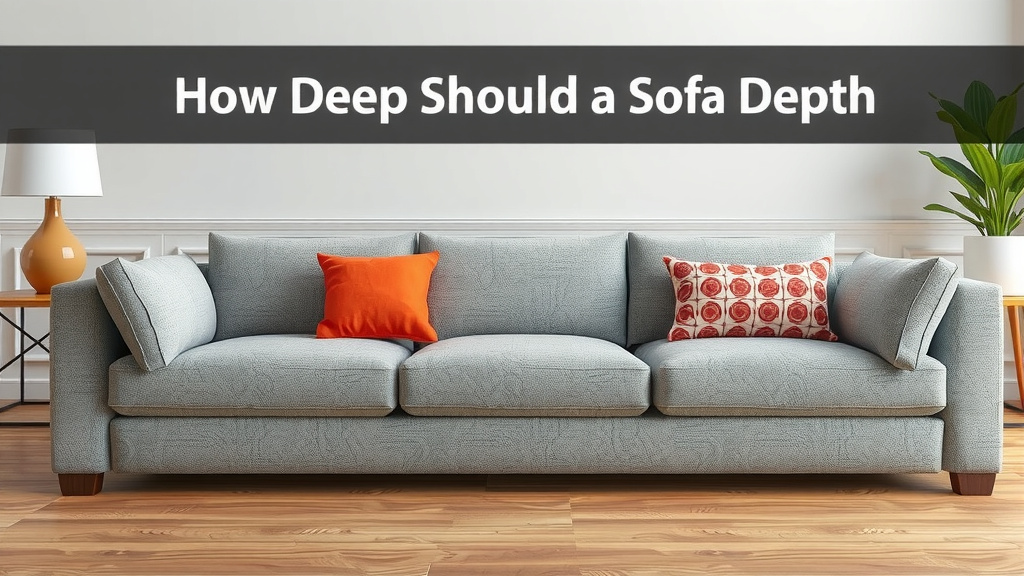
A Quick Comparison Table
Here’s a handy way to see the differences at a glance. Remember, these are general guidelines.
| Sofa Depth Type | Typical Overall Depth | Typical Seat Depth | Best For |
|---|---|---|---|
| Shallow | 30-36 inches | 18-21 inches | Formal seating, smaller rooms, ease of getting up |
| Standard | 37-40 inches | 21-24 inches | General use, balanced comfort, most households |
| Deep | 41+ inches | 22+ inches | Lounging, stretching out, napping, taller individuals |
Tips for Choosing the Right Depth
Now that you know the ins and outs, how do you make the final decision? Here are a few practical steps.
- Measure your space: Know the exact dimensions where the sofa will go.
- Consider your primary use: Will it be for lounging or formal sitting?
- Think about who will use it: Taller or shorter people?
- Visit a showroom if possible: Sit on different sofas. Really test them out.
- Read reviews: See what other people say about comfort and depth.
Don’t forget the back height, too! A sofa with a high back can feel more enveloping, even if the seat depth is standard. Conversely, a low-profile sofa might feel less supportive, even if it’s deep. It’s a whole system working together for your relaxation.
Test Drive Your Potential Sofa!
If you have the chance, always try before you buy. Go to a furniture store and sit on a sofa that has similar dimensions to what you’re considering. How does it feel? Can you comfortably rest your arms on the armrests? Do you have enough room to shift positions?
Don’t be shy about giving it a good test run. Lean back, sit up, tuck your legs – pretend you’re at home. We found that this simple step often makes the decision much clearer than just looking at numbers. Your body will tell you what it likes!
Don’t Forget the Armrests
While we’re talking about depth, let’s briefly touch on armrests. The height and width of armrests can also affect comfort. Wider, padded armrests are great for lounging and resting your head. Slimmer armrests can make a sofa appear less bulky but offer less comfort for resting.
Make sure the armrest height complements the seat depth. You want to feel naturally supported when you sit back. It’s all part of creating that perfect cozy nook.
Making the Final Choice: A Quick Checklist
Here’s a handy checklist to guide your selection:
- Have you measured your room accurately?
- Does the seat depth allow you to sit comfortably with feet flat (if desired)?
- Is there enough space to lounge or stretch out (if that’s your goal)?
- Does the sofa depth fit the overall scale of your room?
- Can you easily get up from the sofa?
- Does the sofa style match your aesthetic?
Choosing the right sofa depth is a personal journey. By understanding the measurements and considering your own needs, you can confidently pick a sofa that becomes your favorite spot in the house. Happy sofa hunting!
Conclusion
Finding the perfect sofa depth is all about understanding your own needs and how you’ll use your furniture. We’ve explored how overall and seat depth impact comfort, and how factors like your height, room size, and desired style play a role. Remember that standard depths are great for balance, but don’t hesitate to go deeper for ultimate lounging or shallower for easier movement. Your best bet is always to test drive a sofa in person if you can. Trust your instincts and choose the depth that makes you feel most at home!
Frequently Asked Questions
What’s the difference between overall depth and seat depth?
Overall depth is the measurement from the very front of the sofa to the very back, including arms and structure. Seat depth is just the usable space from the front edge of the cushion to where the backrest begins. We found seat depth often matters more for your personal comfort.
Can a sofa be too deep?
Yes, a sofa can be too deep if it makes it hard for you to get up comfortably or if your feet don’t touch the floor when sitting upright, which can feel unstable. For shorter individuals, or those who prefer sitting more formally, excessively deep sofas might not be ideal.
How do armrest dimensions affect sofa depth perception?
While not directly part of depth measurement, wide or high armrests can make a sofa feel deeper and more enveloping, which is great for lounging. Slimmer armrests can create a visually shallower appearance and might offer less physical support.
Is standard sofa depth suitable for most people?
Generally, yes. The standard depth range of 37-40 inches and seat depth of 21-24 inches is designed to work well for a wide variety of body types and uses. It offers a good compromise between sitting and lounging comfort for the average person.
Should I prioritize sofa depth over other dimensions for comfort?
Depth is certainly a major factor in comfort, especially for lounging. However, all dimensions work together. A sofa’s width, back height, and armrest style also contribute significantly to how comfortable you feel overall. We recommend considering the whole picture.

![10 Best Affordable Small Sectional Sofa [2026]](https://hometopaccesories.com/wp-content/uploads/2026/08/10-best-affordable-small-sectional-sofa-2026-featured-768x432.jpg)
![10 Best Comfortable Sofa For Living Room [2026]](https://hometopaccesories.com/wp-content/uploads/2026/09/10-best-comfortable-sofa-for-living-room-2026-featured-768x432.jpg)