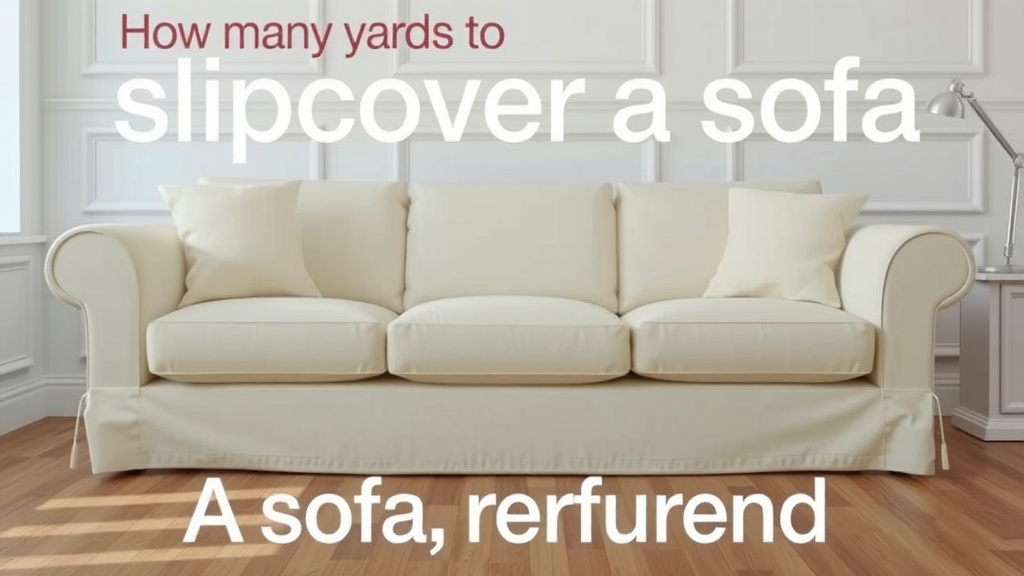
How Many Yards to Slipcover a Sofa: A Simple Guide
So, you’re wondering how many yards of fabric you need to slipcover your sofa? Generally, you’ll need about 7 to 10 yards for a standard sofa. This is a good starting point, but the exact amount can change based on your sofa’s size and shape, and the fabric you choose.
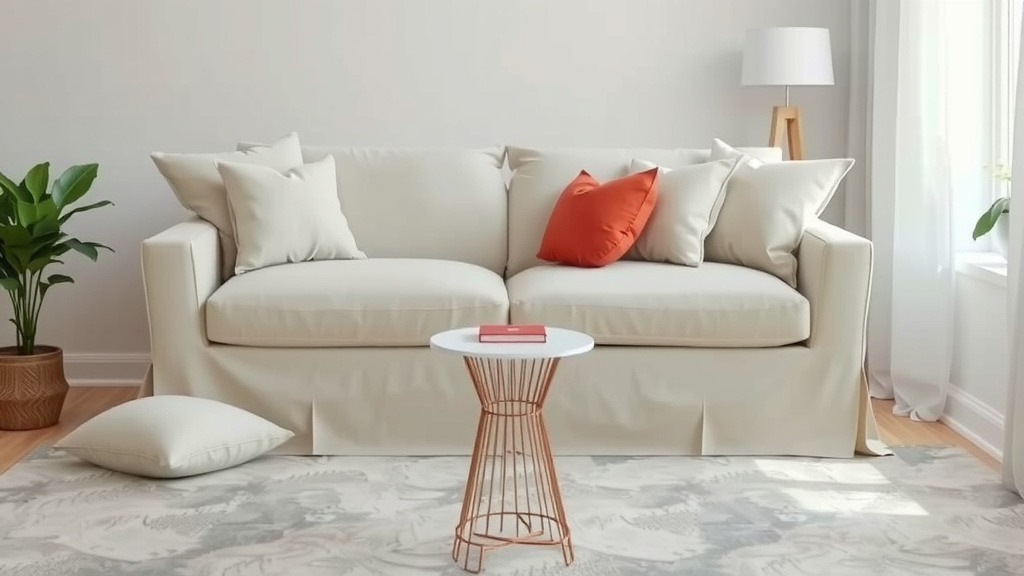
Slipping a sofa can be a fantastic way to update your room without buying new furniture. Knowing the right fabric amount helps you avoid wasted material or ending up short mid-project. It’s a detail that makes a big difference in the final look and cost.
- A standard sofa typically needs 7-10 yards.
- Larger sofas or those with skirted bottoms need more fabric.
- Consider fabric width and pattern repeat.
- Always buy a little extra just in case.
- Check specific pattern recommendations.
Let’s dive into the details so you can get the perfect fit for your slipcover project.
Estimating Fabric for Your Sofa Slipcover Project
Figuring out how much fabric you need is often the biggest puzzle piece. You want enough to cover your sofa beautifully. But you don’t want to buy way too much and waste money. Let’s break down how to estimate your yardage accurately.
The Standard Sofa: A Starting Point
For a typical three-cushion sofa, around 7 to 10 yards of fabric is a common recommendation. This estimate assumes a standard fabric width, usually 54 inches. It also assumes a relatively straightforward sofa design. Think of it as your baseline measurement. It’s enough to account for all the main pieces like the seat, back, arms, and skirts.
If your sofa has a simple shape, like a rectangular sofa with clean lines, this range should serve you well. It gives you a little wiggle room for mistakes or adjustments. We’ve seen many projects succeed with this amount.
Factors That Change Fabric Needs
Your sofa isn’t just a generic shape. It has its own unique dimensions and features. These details can significantly impact how much fabric you’ll need. It’s wise to consider them before you buy.
Sofa Size and Scale
Is your sofa a petite loveseat or a sprawling sectional? A larger sofa, like a king-sized sofa or a deep-seated model, will naturally demand more fabric. You’re essentially covering more surface area. Measure your sofa carefully from corner to corner, noting its height, width, and depth. These measurements are key.
Sofa Shape and Design Details
A sofa with lots of curves, rolled arms, or a skirted bottom requires more fabric. Extra fabric is needed to navigate those **challenging curves** and ensure the pattern matches. Skirts, in particular, can eat up a lot of material. They often involve multiple panels and need to hang gracefully.
Think about the details. Does it have plush, overstuffed cushions? These take more fabric than firm, flat ones. Does it have decorative piping or welting? You’ll need extra for those seams. Even the height of the back can matter.
Fabric Width: A Crucial Measurement
Fabric comes in different widths. The most common for upholstery is 54 inches. However, you can find fabrics that are 44-45 inches, 60 inches, or even wider. The width of your fabric dictates how many panels you can cut from a single length. Wider fabric means fewer seams and potentially less yardage overall.
If you choose a narrower fabric (like 45 inches), you’ll likely need more yardage. This is because you’ll have more seams and more waste when trying to piece larger sections together. Always check the fabric’s specifications before purchasing.
Pattern Repeat: The Hidden Fabric Hog
This is where things can get tricky, especially with patterned fabrics. A pattern repeat is the distance on the fabric before the pattern starts over. Large, bold patterns often have a significant repeat. You’ll need to buy extra fabric to ensure the pattern continues smoothly across all the sections of your sofa. Otherwise, you’ll have mismatched designs.
For example, if a pattern has a 27-inch repeat, you’ll need to buy enough fabric to accommodate that repeat for each major piece. This can add several yards to your total. Always ask about the pattern repeat when you’re at the fabric store or online. Many manufacturers will specify this on their product pages.
Calculating Your Needs: A Step-by-Step Approach
Let’s get practical. Measuring and calculating can seem daunting, but it’s quite manageable. We’ll walk through it together. Following these steps can save you from fabric regret.
Measure Your Sofa Like a Pro
First, grab your trusty measuring tape. You need to measure the main parts of your sofa. You’ll want to measure:
- The length of the back (top to bottom).
- The length of the seat cushion area.
- The width of the arms (outside edge to inside edge).
- The height of the sofa from the floor to the top.
- The length of any skirt or base.
Record these numbers. Don’t forget to add a few extra inches to each measurement for seams and ease. A good rule of thumb is to add about 10% to your total measurements for seams and fitting.
Consider Your Fabric Width
Now, look at your chosen fabric’s width. Let’s say your sofa is 80 inches wide. If your fabric is 54 inches wide, you can get one full width for the back. But for the front, you might need two pieces cut side-by-side. This understanding helps you plan your cuts.
You can often lay out your pattern pieces on the fabric to visualize the cuts. This helps prevent surprises. Imagine cutting out a large back piece, then an arm piece, then another arm piece.
Add Extra for Patterns and Details
If you have a pattern, you need to factor in the repeat. If the repeat is large, add enough extra fabric to match it on all joining pieces. For example, if you’re slipcovering a cushion where the pattern needs to line up with the cushion next to it, you’ll need to purchase that extra yardage.
Don’t forget those small details. Piping, tassels, or any decorative trims will also require extra fabric. It’s better to have a little too much than to run out mid-sew. Running out can be incredibly frustrating.
A Quick Reference Table
Here’s a general guide. Remember, these are estimates. Your specific sofa might fall outside these ranges.
| Sofa Type | Approximate Fabric Needed (Yards) | Notes |
|---|---|---|
| Standard 3-Cushion Sofa | 7 – 10 | For 54″ wide fabric, simple shape. |
| Loveseat | 5 – 7 | Smaller scale. |
| Sectional Sofa | 10 – 20+ | Varies greatly by size and configuration. Measure carefully! |
| Sofa with Skirt/Rolled Arms | 9 – 12+ | Requires extra for details and curves. |
| Oversized Sofa | 10 – 15+ | Deep seats or tall backs add to yardage. |
The “Buy Extra” Rule: Your Best Friend
We always recommend buying at least one extra yard of fabric, especially if it’s your first time slipcovering. This extra yard is your safety net. It covers mistakes, shrinkage from washing (if applicable), or unforeseen design challenges. Fabric stores often sell fabric by the yard, so buying a bit more isn’t a huge additional cost.
Think of it as an insurance policy for your project. It’s far more economical to buy a little extra upfront than to discover you’re short and have to order more. Sometimes, the exact dye lot might be slightly different, making a later purchase a mismatch.
When in Doubt, Ask an Expert!
If you’re still unsure, don’t hesitate to ask for help. Fabric store staff are often experienced with slipcover projects. They can help you calculate your yardage based on the specific fabric and your sofa’s dimensions. Many professional upholsterers also offer consultations or advice.
You can also find online calculators or diagrams that demonstrate how to lay out pattern pieces on fabric. These tools can provide a more precise estimate. Just remember, these are tools to guide you, not absolute rules.
Slipcovering Checklist: Key Takeaways
To make sure you’ve got this down, here’s a quick checklist:
- Measure your sofa’s key dimensions accurately.
- Note the width of your chosen fabric.
- Find out the pattern repeat if your fabric has a design.
- Add extra for curves, skirts, and details.
- Always buy at least one extra yard to be safe.
- Consult store staff if you’re feeling uncertain.
Conclusion
You’ve got this! Knowing how many yards of fabric to slipcover your sofa is all about understanding your sofa’s unique shape and size, and your fabric’s width and pattern. Remember the baseline of 7-10 yards for a standard sofa, but always factor in those curves, skirts, and any bold patterns. Measuring carefully and adding that extra yard for safety is your best strategy. Now you’re ready to confidently purchase your fabric and start transforming your living space! Now you’re ready to confidently purchase your fabric and start transforming your living space!
Frequently Asked Questions
What’s the difference in yardage for a loveseat versus a sofa?
A loveseat is typically smaller than a standard three-cushion sofa. You’ll generally need less fabric, around 5 to 7 yards, compared to the 7 to 10 yards often recommended for a sofa. Always measure your specific loveseat to be sure!
How does fabric shrinkage affect how much yardage I need?
If you plan to wash your slipcover, you should account for shrinkage. It’s wise to buy a little extra fabric upfront to compensate for any potential shrinking. Many people find that buying an extra half-yard to a full yard covers this concern.
Can I use a wider fabric to reduce the number of seams?
Yes, using a wider fabric can definitely help reduce seams and can sometimes mean you need less overall yardage. Wider fabrics (like 60 inches or more) mean you can cover larger sections of your sofa with a single cut, potentially simplifying the process and reducing waste.
What if my sofa has a very busy, large-scale pattern?
Large-scale patterns with a significant repeat require extra fabric to ensure the pattern matches up across all sections. You’ll need to buy enough extra yardage to accommodate the pattern’s repeat for each major piece you cut. Always check the pattern repeat information from the manufacturer.
Is it better to buy fabric in person or online for slipcovers?
Buying in person allows you to feel the fabric’s weight and see its true color. You can also easily ask store staff for advice on yardage and pattern repeats. Online shopping offers more variety but requires careful attention to fabric details and specifications.
![10 Best Cleaning Product For Leather Sofa [2026]](https://hometopaccesories.com/wp-content/uploads/2026/09/10-best-cleaning-product-for-leather-sofa-2026-featured-768x432.jpg)

![10 Best Budget L Shape Sofa [2026]](https://hometopaccesories.com/wp-content/uploads/2026/08/10-best-budget-l-shape-sofa-2026-featured-768x432.jpg)