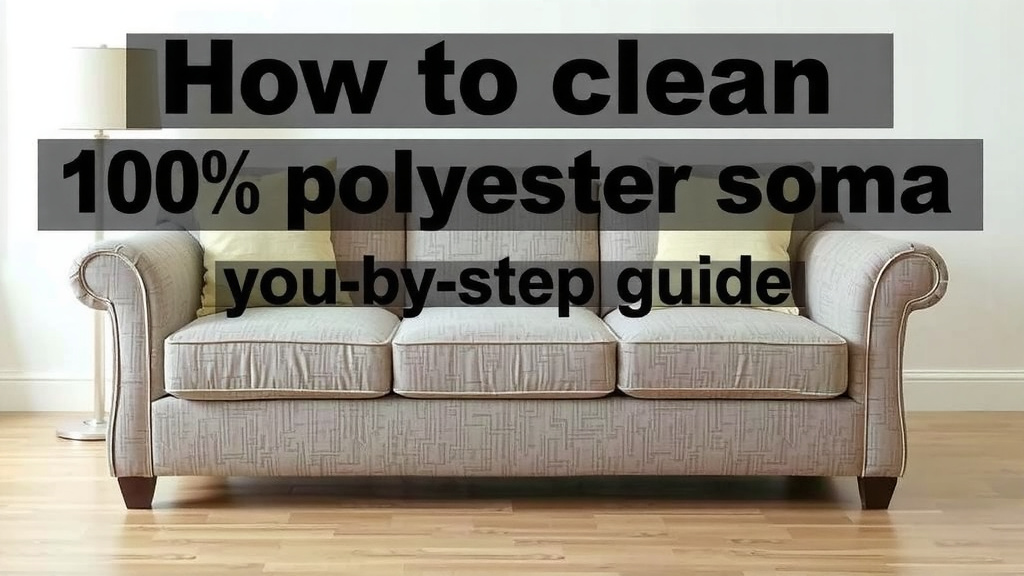
How to Clean a 100% Polyester Sofa: Step-by-Step Guide
The easiest way to clean a 100 polyester sofa is to vacuum it first, then spot-clean stains with a mix of mild dish soap and warm water. Polyester is a durable, stain-resistant fabric, so most messes come out with just a damp cloth and a little patience. No fancy cleaners needed.
Here’s the good news: polyester is one of the most forgiving sofa fabrics out there. It doesn’t absorb spills as fast as cotton, and it handles regular cleaning well. But we found that skipping basics like checking the care tag is where most people go wrong. That little tag with codes like W, S, or WS tells you exactly what’s safe to use.
So what’s ahead in this guide? Here’s the short version:
- Decode your sofa’s care tag before touching it with any cleaner
- Vacuum thoroughly to remove dust, crumbs, and pet hair
- Spot-clean stains with soap and water or the right solvent
- Deodorize with baking soda for that fresh-smelling finish
- Deep clean with a steam cleaner or gentle machine method when needed
Below, we break down everything you need to know about cleaning your 100 polyester sofa, step by step. Grab a cloth, and let’s get that couch looking (and smelling) brand new again. For cleaning routines that go beyond polyester, our complete sofa cleaning guide covers every fabric type.
Cleaning Your Polyester Couch Without Ruining the Fabric
Most polyester sofas can be cleaned with water-based products, but you should always check the care tag first. That tag is your fabric’s rulebook. Ignore it, and you might end up with a water stain that’s uglier than the original mess.
What Those Care Tag Codes Actually Mean
Manufacturers use simple letters to tell you what’s safe. Here’s what each one means:
- W — Water-based cleaners are safe. Dish soap and water work fine.
- S — Solvent-only. Use a dry cleaning solvent, never water.
- WS — Either water or solvent is okay. You’ve got options.
- X — Vacuum only. No liquids at all. Yes, really.
No tag? Test any cleaner on a hidden spot, like the back or under a cushion. Wait 24 hours. If there’s no discoloration or ring, you’re good to go.
Supplies You’ll Want on Hand
The good news: you probably own everything already. We found that the most effective cleaning kits for polyester cost next to nothing.
- Vacuum with an upholstery brush attachment
- Mild dish soap (the plain kind, not the fancy scented stuff)
- White vinegar
- Baking soda
- Microfiber cloths (several — one dirty cloth spreads mess around)
- A spray bottle
- Distilled water (optional, but it prevents mineral streaks on light fabric)
Step One: Vacuum Every Inch of the Sofa
Vacuuming comes first because wet cleaning loose dirt just makes mud. Think of it like mopping a floor covered in sand — you’d sweep first, right?
Where Dust and Crumbs Love to Hide
Go beyond the obvious cushions. Research on household dust suggests soft furnishings collect skin flakes, pet dander, and dust mites over time (NIH). Use the crevice tool for:
- The gaps between cushions
- Under the cushions (prepare yourself emotionally)
- The seams and piping along the edges
- The skirt or base, if your sofa has one
Dealing With Pet Hair That Won’t Quit
If your cat treats your couch like a bed-and-breakfast, a vacuum alone may not cut it. We found that a slightly damp rubber glove or a squeegee pulls hair right off polyester fibers. The static grip between rubber and hair works like magic. Then vacuum up what you’ve loosened.
Step Two: Spot-Clean Stains the Right Way
For a W-coded sofa, mix a few drops of dish soap into a cup of warm water. Dip a cloth, wring it out well, and blot — never rub. Rubbing pushes the stain deeper and roughs up the fibers. Many cleaning guidelines recommend blotting from the outside of the stain inward so you don’t spread it (Mayo Clinic).
How to Handle Common Stains
Different spills need slightly different approaches. Here’s a quick reference:
| Stain Type | Best Approach | Extra Tip |
|---|---|---|
| Food grease | Dish soap solution, blot | Dish soap cuts grease — it’s literally its job |
| Coffee or tea | Soap and water, then rinse | Blot fast; tannins set quickly |
| Wine | Blot, then vinegar solution | Salt can help lift fresh spills first |
| Ink | Rubbing alcohol on a cloth | Dab lightly; alcohol can be strong stuff |
| Blood | Cold water only | Hot water sets protein stains. Cold is key. |
Rinsing and Drying Without Water Rings
After spot-cleaning, dampen a clean cloth with plain water and blot the area to remove soap residue. Leftover soap attracts dirt like a magnet. Then press a dry towel over the spot and let it soak up moisture.
Air dry with good airflow — a fan on low helps. Speed matters here. Damp upholstery left alone too long can develop mold or mildew, which the CDC warns can trigger allergies and respiratory issues. Nobody wants their couch smelling like a basement.

Step Three: Deodorize With Baking Soda
Sprinkle a light layer of baking soda over the cushions and let it sit for 15 to 30 minutes — longer if the sofa has seen some things. Baking soda absorbs odors naturally, which is why it’s a staple in so many cleaning routines.
Vacuum it up thoroughly with the brush attachment. For a fresher twist, mix in a few drops of essential oil before sprinkling. Just keep it light; heavy-handed oil can leave spots on polyester.
Step Four: Deep Clean When Spot-Cleaning Isn’t Enough
If your sofa looks dull all over, it’s time for a deeper pass. Many experts say a steam cleaner with an upholstery attachment works well on W-coded polyester, but keep the heat moderate and don’t oversoak the fabric.
Your Pre-Clean Checklist
- Confirm your care tag allows water or steam
- Test your cleaner on a hidden spot
- Vacuum the entire sofa first
- Remove cushions and clean covers separately if they’re zip-off
- Open windows or run a fan for faster drying
- Keep kids and pets off the couch until it’s fully dry
What to Avoid at All Costs
Even though polyester is tough, a few habits will age it fast:
- Bleach — it can yellow or weaken the fibers
- Saturating the fabric — soggy cushions dry slowly and grow mildew
- Harsh scrubbing brushes — they cause pilling and fuzziness
- Heat drying — a hairdryer can shrink or warp the fabric
One more thing: washable cushion covers should go in cold water on a gentle cycle, then air dry. Hot dryers are where zipper-shrinking disasters happen. We found that patience wins here — let the fabric air out fully before reassembling your sofa.
Conclusion
That’s really all there is to it. Your 100 polyester sofa doesn’t need expensive products or a professional every time life happens. Check the care tag, vacuum well, blot stains instead of rubbing, and let baking soda handle the odors. Save the deep cleaning for a few times a year, and keep bleach and heat far away. We found that people who stick to this simple routine keep their couches looking fresh for years. So here’s your next step: flip a cushion, check that tag, and give your sofa the quick vacuum it’s been asking for. Your future self — and your weekend guests — will thank you.
Frequently Asked Questions
Can you machine wash 100 polyester sofa cushion covers?
Yes, if the covers are removable and the tag says machine washable. Use cold water and a gentle cycle, then air dry them. Never toss them in a hot dryer — heat can shrink the fabric so much the covers won’t fit back on.
How often should I clean my polyester sofa?
Vacuum weekly or at least every couple of weeks, especially if you have pets or kids. Spot-clean spills as they happen. A full deep clean or steam session two or three times a year keeps things fresh without wearing down the fabric.
Is it safe to use Fabuloso or all-purpose cleaners on polyester couches?
We’d steer you toward plain dish soap and water instead. Multi-purpose cleaners often contain dyes and fragrances that can leave residue or discolor fabric. If you really want to try one, test it on a hidden spot first and wait a full day.
Why does my polyester couch still smell after cleaning?
Lingering odor usually means moisture or residue is trapped in the cushion padding, not just the fabric. Sprinkle baking soda over the area, let it sit for an hour, and vacuum well. If the smell persists, the cushions may need longer drying time or professional cleaning. For stubborn accidents, our guide to removing urine smell from a sofa covers enzymatic cleaners and deeper odor treatment.
Does polyester furniture shrink when cleaned?
The fabric itself is pretty stable, but heat is the real culprit. Steam on high, hot water, or a dryer can shrink or warp polyester covers. Stick to lukewarm or cold water, moderate steam, and air drying, and you should be fine.