How Many Years Should Your Sofa Really Last
So, how long should your sofa actually last? You can generally expect a good quality sofa to last between Our guide on how long should your sofa last provides a detailed answer.7 to 15 years, with many lasting even longer with proper care. Some incredibly well-made pieces might even become heirlooms! Keep in mind, this lifespan is a broad estimate.
The durability and longevity of your couch depend heavily on a few key factors. We’re talking about the materials used, how often it’s used, and of course, how well you maintain it. Think of it like any other big purchase; a little attention goes a long way for its lifespan.
- Sofa lifespan varies widely.
- Quality materials mean a longer life.
- Regular use impacts wear and tear.
- Proper care is essential for longevity.
- Expect 7-15 years for most sofas.
Let’s break down what really makes a sofa stand the test of time and how you can get the most out of your investment.
You’ve made a significant investment in your living space with a sofa. Now you’re probably wondering about its lifespan. You want to know, “How many years can I expect my sofa to last?” Generally, with good care and quality construction, you can anticipate your sofa serving you well for Our guide on when to replace your sofa explains how long to keep a sofa.7 to 15 years. Some might even become cherished family heirlooms, lasting for decades!
Understanding Your Sofa’s Expected Lifespan
The lifespan of your sofa isn’t a fixed number. It’s influenced by many factors. Think of it like a car; maintenance and how you drive it matters. A higher-quality sofa built with robust materials will naturally outlast a cheaper, less durable option. So, while 7-15 years is a good benchmark, your actual experience can vary.
The Impact of Sofa Construction Quality
The frame is the backbone of your sofa. Hardwood frames, like kiln-dried oak or maple, offer superior strength and durability. Avoid sofas with particleboard or plastic frames. They are prone to cracking and breaking over time. Look for frames that are glued, doweled, and screwed together. This construction method ensures stability and longevity.
Springs are another critical component. High-quality sofas often use eight-way hand-tied springs. These distribute weight evenly and provide consistent support. Other good options include sinuous springs, which are S-shaped metal wires running front to back. Cheaper sofas might use webbing, which can sag and stretch over time, leading to an uncomfortable seat.
Fabric and Upholstery Choices
The fabric you choose significantly impacts your sofa’s longevity. Natural fibers like cotton and linen can be beautiful but may wear more easily. They can stain and fade over time. Leather is a very durable option, especially high-quality top-grain leather. It can develop a beautiful patina with age.
Synthetic fabrics like microfiber and certain polyesters are often more resistant to stains and wear. They are great choices for busy households with kids or pets. Performance fabrics are specifically designed for high-traffic areas. They offer excellent durability and stain resistance. When selecting fabric, check its “rub count” or Martindale rating. Higher numbers indicate greater durability.
Daily Use and Wear and Tear
Your sofa’s daily life plays a huge role in how long it lasts. A sofa in a formal living room that sees minimal use will naturally last much longer than one in a family room used for movie nights, napping, and playing. Heavy use means more stress on the frame, springs, and upholstery.
Factors Contributing to Everyday Wear
Consider how your household uses the sofa. Do you eat or drink on it? Do pets have access? Are there children who jump on it? All these activities increase the rate of wear. Stains, tears, and general grime will accumulate faster with more intensive use. This can lead to the sofa looking tired and worn out long before its structural components fail.
Even simple actions like sitting in the same spot repeatedly can cause uneven wear. Over time, one cushion might compress more than others. This can affect the overall comfort and appearance of the sofa. Rotating cushions, if possible, can help distribute wear more evenly.
The Pet and Child Factor
Pets can cause significant wear and tear. Claws can snag upholstery, and shedding can lead to matting and damage to certain fabrics. Urine can also soak into cushions, leading to odors and fabric breakdown. Children, with their boundless energy, can be tough on furniture. Jumping, spills, and general roughhousing can speed up the aging process.
If pets and children are a big part of your life, opt for durable, easy-to-clean materials. Microfiber, leather, or performance fabrics are excellent choices. Look for sofas with removable, washable cushion covers if possible. This makes cleaning much simpler.
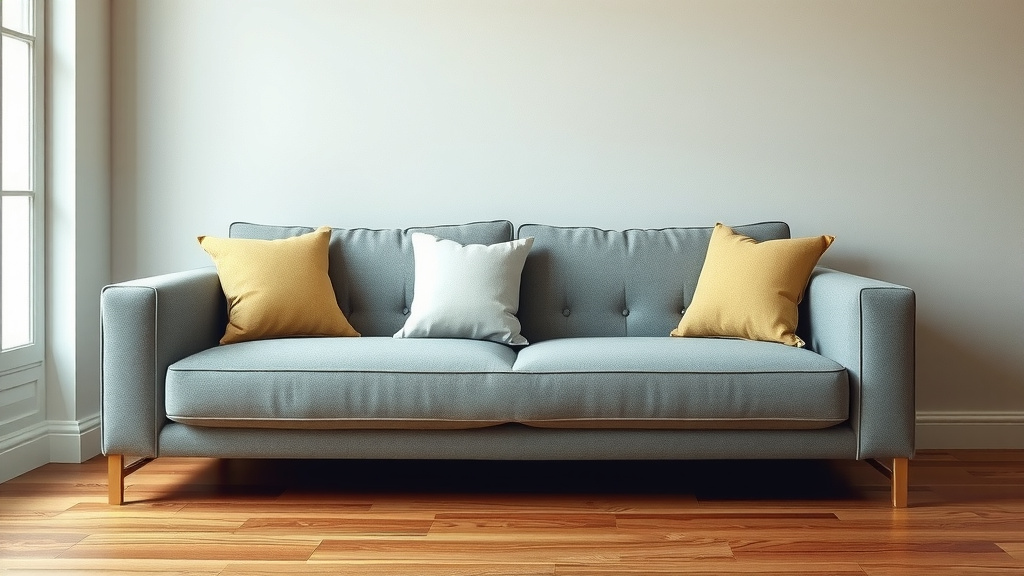
Maintaining Your Sofa for Maximum Lifespan
Regular maintenance is key to extending your sofa’s life. A little effort can make a big difference in how long it looks and feels great. Think of it as preventative care for your furniture investment. You wouldn’t skip oil changes for your car, right? Your sofa deserves similar attention.
Routine Cleaning and Care
Regular vacuuming is one of the easiest ways to keep your sofa looking good. Use the upholstery attachment to remove dust, crumbs, and pet hair. This prevents dirt from becoming embedded in the fabric. For spills, blot them immediately with a clean cloth. Avoid rubbing, as this can spread the stain. Always check the manufacturer’s cleaning codes for your specific upholstery material.
For deeper cleaning, consider professional upholstery cleaning every 1-2 years. They have the tools and expertise to clean your sofa thoroughly without damaging the fabric. This can help remove accumulated dirt and allergens. Many experts say this professional cleaning is vital for fabric longevity (Textile Institute).
Protecting Against Sun and Heat
Direct sunlight can fade upholstery and damage certain fabrics over time. Position your sofa away from windows that receive intense sunlight. If that’s not possible, consider using curtains or blinds to block harmful UV rays. High heat sources, like radiators or fireplaces, can also degrade fabric and cushioning.
Simple Steps for a Longer-Lasting Sofa: A Checklist
- Vacuum your sofa weekly.
- Blot spills immediately.
- Rotate cushions regularly.
- Keep away from direct sunlight.
- Consider professional cleaning annually.
- Address any loose threads or minor damage promptly.
| Material | Pros | Cons | Typical Lifespan Impact |
|---|---|---|---|
| Top-Grain Leather | Very durable, develops patina, easy to clean spills. | Can be expensive, susceptible to scratches from pets. | High; can last 15+ years with care. |
| Microfiber | Stain-resistant, durable, good for pets and kids. | Can attract lint, some types can be hot. | Good; often 10-12 years. |
| Cotton/Linen Blends | Breathable, comfortable, natural feel. | Prone to staining, wrinkling, and fading. | Moderate; 7-10 years, depending on blend. |
| Performance Fabrics | Highly stain and fade resistant, durable. | Can be pricier, texture might feel less natural. | Very High; designed for longevity, 12-15+ years. |
By understanding what goes into your sofa and how you use it, you can make informed decisions. Proper care and maintenance are your best allies in ensuring your sofa remains a comfortable and stylish part of your home for many years to come. You’re looking at a substantial piece of furniture, and giving it a little love will help it stand the test of time.
Conclusion
You’ve learned that your sofa’s lifespan is a journey, not a destination. Quality construction, smart material choices, and consistent care are your best allies in maximizing its years of service. Expecting 7 to 15 years is a realistic goal for a well-made piece. By understanding the factors from frame to fabric, and committing to simple maintenance like regular vacuuming and immediate spill cleanup, you ensure your sofa remains a comfortable centerpiece. Now, take a moment to assess your current sofa or consider these points for your next purchase to enjoy it for as long as possible.
Frequently Asked Questions
What’s the average lifespan of a sofa bought from a big box store?
Sofas from large retailers can vary greatly. Generally, you might expect them to last between 5 to 10 years. Their lifespan often depends on the specific materials and construction quality, which can be more budget-focused.
Can professional cleaning really extend my sofa’s life?
Yes, professional cleaning every one to two years can certainly help. It removes deep-seated dirt and allergens that regular vacuuming misses. This prevents fabric wear and maintains the sofa’s appearance and hygiene.
How do I know if my sofa frame is good quality?
Look for hardwood frames like kiln-dried oak or maple, and check that they are glued, doweled, and screwed. Avoid frames made from particleboard or plastic, as they are less durable and can crack over time.
Is leather truly more durable than fabric for a sofa?
High-quality leather, like top-grain, is very durable and can last a long time, often developing a nice patina. However, some performance fabrics are engineered for extreme wear and stain resistance, making them equally long-lasting, especially for homes with pets or children.
Should I worry about my sofa’s springs wearing out?
Yes, springs are a key component of comfort and support. Eight-way hand-tied or sinuous springs are signs of better quality and will likely last longer. Webbing can sag over time, leading to a less supportive seat.
![10 Best Apartment Size Sofas [2026]](https://hometopaccesories.com/wp-content/uploads/2026/08/10-best-apartment-size-sofas-2026-featured-768x432.jpg)