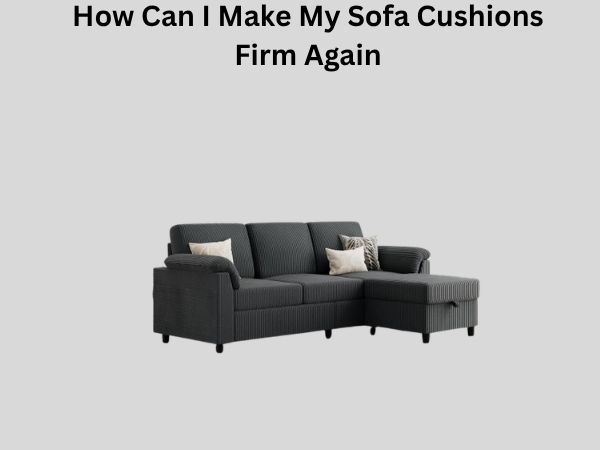
How Can I Make My Sofa Cushions Firm Again? Say Goodbye to Sagging
There’s nothing quite like sinking into your favorite sofa after a long day, but what happens when that comfortable seat becomes uncomfortably saggy? I’ve been there—watching my once-plush cushions gradually flatten into pancakes. It’s frustrating because your sofa doesn’t have to be relegated to the trash just yet. The good news? You’ve got options, and many of them are easier than you might think.
In this comprehensive guide, I’m going to walk you through everything you need to know about restoring firmness to your sofa cushions. Whether you’re dealing with slightly compressed foam or completely deflated cushions, you’ll find practical solutions that won’t break the bank.
Understanding Why Your Sofa Cushions Lose Their Firmness
Before we jump into solutions, let’s talk about why this happens in the first place. Understanding the root cause helps you choose the best fix for your specific situation.
The Natural Breakdown of Foam Materials
Most sofas are filled with foam, and foam is like a sponge made of millions of tiny air bubbles. Over time, these bubbles break down and collapse—especially in the areas where you sit most frequently. Think of it like a pillow that’s been slept on for years; it eventually loses its loft. This is a completely natural process that happens to every sofa eventually. Quality foam lasts longer, but even premium materials succumb to gravity and repeated use.
Compression From Regular Use
Every time you sit on your sofa, you’re applying pressure to those foam cells. The more you use your sofa, the faster this compression happens. If you have kids, pets, or you simply love your couch, you’re accelerating this process. It’s not a sign that you’ve damaged anything—it’s just the natural consequence of a well-loved piece of furniture.
Environmental Factors at Play
Humidity, temperature fluctuations, and even sunlight exposure can affect your cushion’s integrity. Moisture can cause foam to deteriorate faster, while extreme heat can break down the chemical bonds in the material. Even placing your sofa near a sunny window can contribute to premature sagging over time.
Quick Fixes You Can Try Immediately
Some solutions don’t require much time or money. Let me share the simplest approaches first.
Rotate and Flip Your Cushions
This is my number-one go-to fix, and it’s so simple that many people overlook it. Rotating your cushions distributes wear evenly across the surface. If your sofa has removable cushions, flip them over too. You’re essentially using the underside, which hasn’t been compressed yet. This might buy you several more months of comfortable sitting. Do this monthly for best results.
Add Cushion Support Underneath
Here’s a clever trick: place a piece of plywood or a firmness-enhancing board beneath your cushions. You can find these products specifically designed for sofas, or you can cut a piece of plywood to fit your seat frame. This provides structural support that prevents the cushions from sinking as deeply into the sofa structure. It’s like adding a shock absorber between your body and the compressed foam.
Use Cushion Toppers or Pads
Memory foam toppers or high-density foam pads can be placed on top of your existing cushions. These add firmness and a fresh comfortable layer without requiring you to replace anything. They’re affordable, removable, and often washable. Think of them as giving your sofa a mini facelift.
Mid-Level Solutions for More Significant Sagging
If quick fixes aren’t cutting it, here are some more substantial options.
Replace the Foam Filling Yourself
This is actually more doable than you might imagine. If your sofa has a removable cushion cover, you can access the foam inside. You’ll need to:
- Remove the cushion from the sofa
- Carefully open the seams or find the opening in the cover
- Remove the old foam (wear gloves—it can be dusty)
- Purchase new high-density foam in the same dimensions
- Insert the new foam and reseal the cover
This approach costs between fifty to two hundred dollars depending on your cushion size and foam quality. It’s much cheaper than buying a new sofa, and you’ll have firm cushions again.
Install Cushion Inserts or Wedges
If you don’t want to replace all the foam, you can add firming inserts between the existing foam and the cushion cover. These wedges provide extra support where you need it most. They’re particularly useful if only certain areas have sagged significantly.
Use High-Density Foam Sheets
You can purchase sheets of high-density foam and layer them under your existing cushions. This is less invasive than full replacement and gives you control over exactly how much firmness you add. Start with one layer and add more if needed.
Professional Restoration Options
Sometimes you need to call in the experts. Let me explain what professionals can do for you.
Professional Reupholstering and Foam Replacement
A professional furniture restorer can completely rebuild your cushions. They’ll remove your fabric cover, extract the old foam, install new high-quality foam, and reattach everything. This is the most thorough solution and can make your sofa look and feel brand new. The cost varies widely based on your sofa size, but expect to spend between three hundred to one thousand dollars or more. However, if you love your sofa and want to keep it, this investment makes sense.
Custom Cushion Rebuilding Services
Many upholstery shops offer specialized cushion rebuilding. They assess your sofa’s condition and recommend the best approach. Some might suggest replacing just the foam, while others might recommend recovering the entire cushion. These professionals have access to premium materials you might not find retail.
Choosing the Right Foam Density for Your Needs
Not all foam is created equal. When you’re shopping for replacement foam or cushion toppers, you’ll encounter density ratings.
Understanding Foam Density Ratings
Foam density is measured in pounds per cubic foot. A higher number means denser, firmer foam. Here’s what you should know:
- Low-density foam (1-2 lb): Soft and plush but wears out quickly
- Medium-density foam (3-5 lb): Good balance of comfort and durability
- High-density foam (5+ lb): Very firm, lasts longest, feels like a newer sofa
For sofa cushions, I recommend at least 3-pound density foam. If you want maximum firmness and longevity, go for 5 pounds or higher. Yes, it’s pricier, but it’ll last much longer and maintain its shape better.
Balancing Firmness With Comfort
Here’s the thing about firmness—more isn’t always better. You want your sofa to be firm enough to support you properly, but not so firm that it feels like sitting on a rock. The sweet spot is usually medium to medium-high density foam. It provides excellent support while still feeling comfortable for extended sitting.
Prevention Tips to Extend Cushion Life
Once you’ve fixed your cushions, you’ll want to keep them in great shape. Here are my best prevention strategies.
Establish a Rotation Schedule
Get in the habit of rotating your cushions every month. This simple habit distributes wear evenly and dramatically extends their life. Set a phone reminder if needed.
Avoid Sitting in the Same Spot
Try rotating where family members sit. If the same person always sits on one end of the sofa, that section will sag faster. Vary seating positions to spread wear across the entire cushion surface.
Use Proper Support Underneath
Keep that plywood board or cushion support in place to provide structural support. It prevents cushions from sagging into the sofa frame underneath.
Control Your Environment
Keep your sofa away from direct sunlight, as UV rays degrade foam faster. Maintain moderate humidity levels—too much moisture can cause foam deterioration. Avoid placing your sofa near heating vents, which can dry out and crack foam.
Regular Cleaning and Maintenance
Dust and debris can break down foam fibers. Vacuum your sofa regularly with an upholstery attachment. If you use removable cushions, clean under them where dirt accumulates.
DIY Versus Professional Help: Making Your Decision
How do you know whether to tackle this yourself or hire professionals? Let me break down the considerations.
Choose DIY If You Have
- Basic sewing skills or the willingness to learn
- A tight budget
- Removable cushion covers
- Time and patience for the project
- Access to the right tools and materials
Choose Professional Services If
- Your cushions are permanently attached to the sofa
- You want a seamless, perfect finish
- Your sofa is valuable or vintage
- You lack the skills or patience for DIY work
- You want professional-grade materials and expertise
Honestly, there’s no shame in either choice. Sometimes paying professionals is worth the peace of mind and superior results.
Budget-Friendly Alternatives to Replacement
If you’re on a strict budget, you still have options before considering a new sofa.
Foam Toppers and Budget Solutions
Quality foam toppers cost as little as thirty to one hundred dollars. They’re temporary but effective. Pair them with regular cushion rotation for extended relief from sagging.
Decorative Pillows and Throws
While not a permanent fix, strategic pillow placement can mask sagging and add visual appeal. Decorative throw pillows cost far less than foam replacement and give your sofa a refreshed look.
Gradual Foam Replacement
If you can’t afford to replace all cushions at once, do it gradually. Replace one cushion per month or per season. This spreads the cost over time while still addressing the problem.
Common Mistakes to Avoid
Before you start working on your cushions, here are some pitfalls to avoid.
Using Inappropriate Materials
Don’t try to stuff sofa cushions with pillows, towels, or other household items. These compress quickly and won’t provide lasting firmness. Always use actual upholstery foam designed for this purpose.
Ignoring the Underlying Structure
Sometimes the problem isn’t the foam—it’s the sofa frame or springs underneath. If the structure is damaged, new foam won’t help much. Have a professional assess the underlying structure before investing in foam replacement.
Choosing Foam That’s Too Firm
While firm is good, rock-hard foam isn’t comfortable. Extremely high-density foam might feel more like a bench than a sofa. Test foam samples before committing to large quantities.
Neglecting Regular Maintenance
Even if you fix your cushions perfectly, they’ll sag again without proper care. The rotation and prevention strategies I mentioned aren’t optional if you want long-lasting results.
When It’s Time to Replace Your Sofa
At some point, fixing might not make sense. Here’s when you should consider replacement instead.
Signs Your Sofa Is Beyond Repair
- The frame is cracked, broken, or structurally unsound
- The fabric is torn or severely stained beyond repair
- Springs are poking through or making noise
- The sofa is over fifteen years old and showing multiple problems
- The cost of repairs approaches or exceeds the price of a new sofa
- The underlying structure is warped or misaligned
If you’re checking off multiple items on this list, replacement might be your best option.
Making Your Cushions Last Longer Going Forward
Once you’ve invested time or money into fixing your cushions, protect that investment. Implement these long-term strategies:
Create a Sofa Care Schedule
Establish a regular maintenance routine. Monthly rotation, quarterly cleaning, and annual deep inspection keep problems from sneaking up on you. Track this on your calendar.
Invest in Quality Covers
Protective sofa covers reduce wear and tear on cushions. They’re especially valuable if you have kids or pets. Quality covers are removable and washable, making maintenance easier.
Educate Your Family
Everyone in your household should understand that jumping on the sofa accelerates cushion breakdown. Teaching kids to treat furniture with respect extends its life significantly.
Conclusion
Sagging sofa cushions don’t have to spell the end for your beloved furniture. You have numerous options ranging from simple, free solutions like rotation to more involved approaches like professional restoration. Start with the easiest fixes—rotating and flipping your cushions costs nothing and often provides noticeable improvement. If that’s not enough, graduate to adding support boards or foam toppers. For more permanent solutions, consider DIY foam replacement or professional reupholstering.
The key is acting sooner rather than later. Addressing sagging while it’s still mild is easier and cheaper than waiting until your cushions are completely flat. Remember to rotate your cushions regularly, maintain your sofa properly, and choose high-quality materials when replacements are needed.
Your sofa has given you years of comfort—it deserves a little care in return. With the strategies outlined in this guide, you can restore your cushions to their former glory and enjoy your couch for years to come. Whether you go the DIY route or hire professionals, taking action today means sinking back into a firm, comfortable seat tonight.
Frequently Asked Questions About Firming Sofa Cushions
How long does it take to replace sofa cushion foam?
The time varies depending on your approach and sofa design. A simple DIY foam replacement for removable cushions typically takes two to four hours per cushion, including opening the cover, removing old foam, inserting new foam, and resealing. Professional restoration usually takes one to three weeks because upholsterers often have multiple projects in progress. If you’re adding support boards or toppers, it’s a five-minute job.
Can I use spray foam to firm up my sofa cushions?
I don’t recommend spray foam for sofa cushions. While spray foam expands and hardens, it’s messy to work with, difficult to control, and
![10 Best Cloth For Sofa Cover [2026]](https://hometopaccesories.com/wp-content/uploads/2026/09/10-best-cloth-for-sofa-cover-2026-featured-768x432.jpg)
![10 Best Black Sofa [2026]](https://hometopaccesories.com/wp-content/uploads/2026/08/10-best-black-sofa-2026-featured-768x432.jpg)
![10 Best Corner Sofa Bed With Storage [2026]](https://hometopaccesories.com/wp-content/uploads/2026/09/10-best-corner-sofa-bed-with-storage-2026-featured-768x432.jpg)