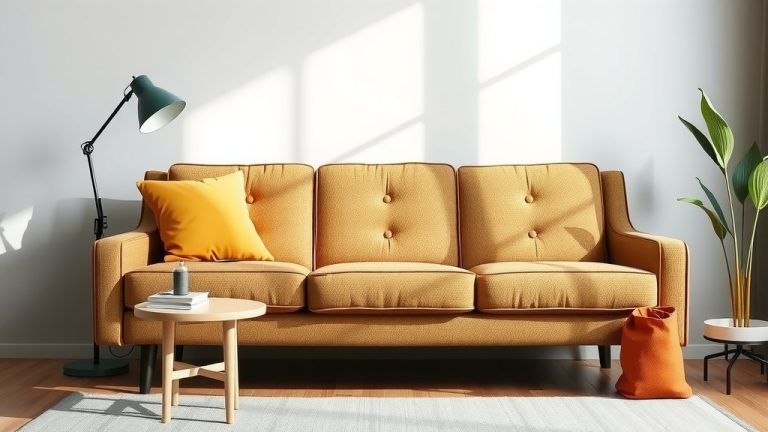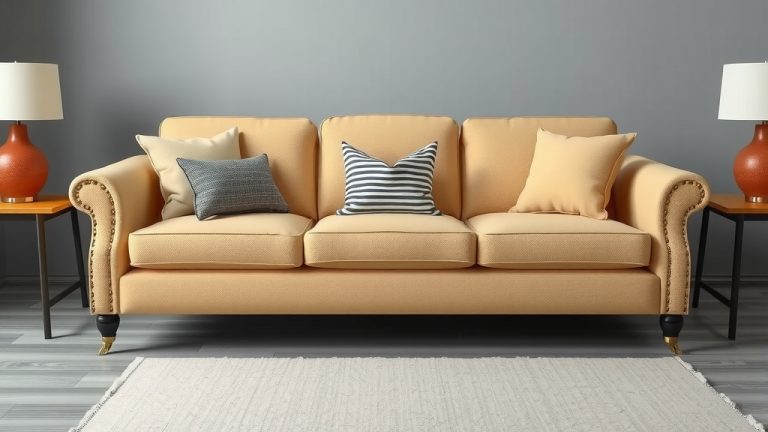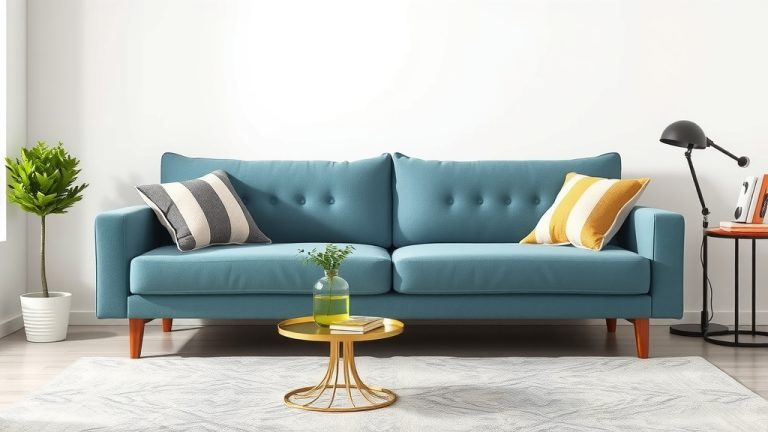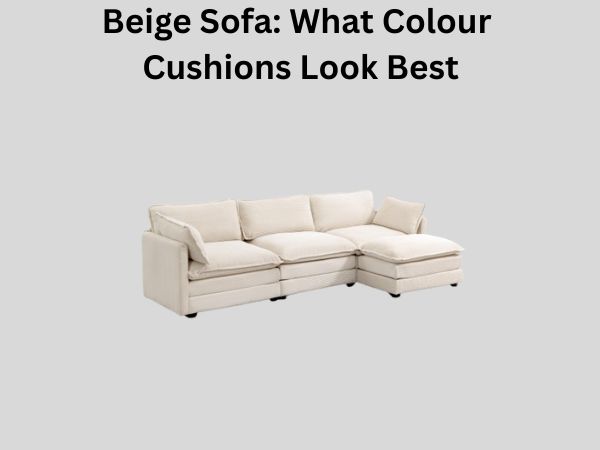
Beige Sofa: What Colour Cushions Look Best?
So you’ve invested in a beautiful beige sofa. It’s the kind of piece that sits perfectly in any room, asks no questions, and plays nice with virtually everything else in your home. But now comes the real question that’s probably been nagging at you: what color cushions should you actually put on it? I mean, we’ve all stood in a furniture store or scrolled through Pinterest for hours, staring at cushion combinations, wondering which ones will make our sofas look like they belong in a magazine rather than a college dorm room.
The truth is, choosing the right cushion colors for your beige sofa is less about following rigid rules and more about understanding what works together. Think of your beige sofa as a blank canvas, and those cushions as your artistic statement. The possibilities are genuinely endless, but I’m here to help you navigate them in a way that feels natural and achieves that “wow” factor you’re after.
Understanding Beige as a Neutral Base
Before we dive into the rainbow of cushion possibilities, let’s talk about why beige is such a powerhouse neutral. Beige is essentially the diplomatic color of the interior design world. It doesn’t pick fights with other colors; instead, it creates harmony and allows other elements to shine. This is actually wonderful news for you because it means almost any cushion color you choose will work on some level.
Beige comes in different undertones though, and this matters more than you might think. Is your beige sofa warm with hints of tan and brown? Or does it lean cooler with subtle gray undertones? Once you identify this, choosing complementary cushion colors becomes significantly easier. It’s like knowing whether someone looks better in warm gold jewelry or cool silver—the base matters.
Classic White and Cream Cushion Combinations
Why White Works Wonders
Let me start with the safest choice: white cushions. White against beige creates what designers call a “monochromatic palette,” which basically means you’re using different shades of the same color family. The beauty here is the visual softness it creates. Your sofa becomes this gorgeous, layered neutral landscape that feels calm and serene.
White cushions bring freshness and brightness to your living space. If your room doesn’t get tons of natural light, white cushions can actually help bounce what light you do have around the space, making everything feel more open and airy. It’s like adding invisible windows to your room.
Cream as the Sophisticated Alternative
Now, if pure white feels too stark or clinical for your taste, cream is your answer. Cream is white’s warmer cousin, and it sits right there in the beige family, just a shade or two lighter or darker than your sofa itself. When you pair cream cushions with a beige sofa, you get this incredibly soothing, elegant look that feels intentional without screaming for attention.
Many people find cream more forgiving than white. It hides dust and stains better, it feels a bit cozier, and it still maintains that clean, put-together aesthetic. It’s the Goldilocks choice—not too bold, not too boring.
Warm Earth Tones That Complement Beige
Taupe and Greige Cushions
Here’s where things get interesting. Taupe—that grayish-brown color that everyone seems to be obsessed with lately—is genuinely perfect with beige. It’s like they were made for each other. Taupe cushions give your sofa some subtle depth without creating harsh contrast. If you want your living room to feel sophisticated and cohesive, taupe is your friend.
Then there’s greige, which is basically a blend of gray and beige. I know, I know, it sounds made up, but it’s absolutely real and incredibly popular. Greige cushions on a beige sofa create this seamless, modern look that feels intentionally curated.
Warm Browns and Chocolate Tones
If your beige sofa has warm undertones, brown cushions can look absolutely stunning. We’re talking anything from a soft caramel to a deep chocolate brown. Brown brings earthiness and warmth to your space. It’s grounding in the best way possible. Imagine sitting on your beige sofa surrounded by brown cushions on a rainy afternoon with a cup of coffee—it just feels right, doesn’t it?
What I love about brown is that it works with almost any room style. Whether you’re going for farmhouse, traditional, transitional, or even modern, brown finds a way to fit in beautifully.
Bold Jewel Tones for Statement Making
Deep Blues and Navy
Ready to be bolder? Navy blue cushions on a beige sofa are absolutely gorgeous. Navy provides serious contrast without feeling aggressive or out of place. It’s sophisticated, it’s timeless, and it creates visual interest that makes your sofa look intentionally designed rather than casually assembled.
Navy works especially well if your beige sofa leans warm. The cool tones of the blue play beautifully against warm beige, creating this dynamic energy that just works. Plus, navy pairs well with nearly every other color you might already have in your room.
Emerald Green Cushions
Emerald green is having a major moment in interior design, and for good reason. A rich emerald green cushion on a beige sofa looks luxurious, unexpected, and incredibly stylish. It brings a touch of nature and sophistication to your space. If you’re someone who likes to show a bit of personality through your interior choices, emerald green cushions are your statement piece.
Burgundy and Wine Tones
Burgundy cushions create warmth and richness on a beige sofa. There’s something inherently elegant about burgundy—it feels festive without being childish, bold without being brash. This color choice works particularly well if your home has any traditional or classic design elements already present.
Soft Pastel Options for Subtle Elegance
If bold jewel tones feel too adventurous for your personality or space, pastels might be your sweet spot. Soft pastels bring gentleness and contemporary style to your beige sofa without overwhelming it. Think pale blue, soft pink, light lavender, or buttery yellow.
Pastels are particularly effective if you want to create a calming, almost dreamy atmosphere in your living room. They work beautifully in spaces with good natural lighting and work especially well in bedrooms or peaceful retreat spaces. The combination of beige and pastels feels soft, approachable, and inviting.
Blush and Mauve Tones for Modern Appeal
The Magic of Blush Pink
Blush pink cushions might seem delicate, but they’re actually quite versatile. Blush is not the hot pink of the nineties; it’s a more sophisticated, muted version that feels modern and grown-up. When you place blush pink cushions on a beige sofa, you create something that’s feminine without being frilly, subtle without being boring.
Blush pink works particularly well in contemporary or Scandinavian-inspired spaces. It brings warmth and personality while maintaining an overall sense of calm and elegance.
Mauve’s Quiet Sophistication
Mauve is purple’s quieter, more restrained cousin, and it’s absolutely lovely with beige. Mauve cushions bring a touch of personality and unexpected color to your sofa without feeling too bold or trendy. It’s the kind of color choice that makes people say, “I love this, but I’m not sure why”—which is exactly what you want from good design.
Green Cushions and Natural Vibes
Green is having its moment, and honestly, it deserves it. Whether you’re drawn to sage green, moss green, or forest green, green cushions on a beige sofa create a connection to nature that feels grounding and peaceful. Green and beige are like old friends—they just naturally complement each other.
If you’re interested in bringing more of an eco-friendly or organic vibe to your home, green cushions are a perfect starting point. They work beautifully with natural wood elements, plants, and other organic textures that you might already have in your space.
Patterned Cushions for Visual Interest
Here’s something crucial that many people overlook: you don’t have to stick with solid colors. Patterned cushions can be absolutely transformative. Think geometric patterns, florals, stripes, or even abstract designs. The key is choosing patterns that include at least one color that complements your beige sofa.
For example, a cushion with a pattern featuring navy, white, and touches of gold would look incredible on a beige sofa. Or consider a floral pattern with sage green, cream, and soft pink. The pattern itself adds visual interest while the colors create harmony with your base sofa.
Patterns work best when you balance them with solid-colored cushions. If all your cushions are patterned, your sofa can look chaotic. But if you mix patterned cushions with solids in complementary colors, you create visual sophistication.
Mixing and Matching Different Colors
The Power of Layering Cushion Colors
Here’s where things get really fun: you don’t need to pick just one color. In fact, mixing cushion colors often looks better than sticking with a single choice. A general rule is to combine colors that are at different depths and temperatures. For instance, you might pair a cream cushion with a navy one, add a blush pink cushion, and finish with a sage green patterned pillow.
The magic happens when you create balance. If you have three cushions, you might do cream, taupe, and a jewel tone. If you have more, add more variety. The key is ensuring that no single color dominates unless you’re deliberately making a statement.
Color Psychology and Comfort
When mixing colors, think about the feeling you want to create. Warm colors like coral, terracotta, and warm oranges make spaces feel cozy and inviting. Cool colors like blue, purple, and green feel calming. A mix of both creates balance—warmth with sophistication, comfort with style.
Considering Your Room’s Lighting
Here’s something that often gets overlooked but is absolutely crucial: lighting changes everything. A cushion color that looks stunning in the store might look completely different in your home depending on your lighting situation.
If your room gets lots of natural light, you can get away with bolder colors and lighter shades. If your room is on the darker side, lighter cushions help brighten things up, and warm colors create a cozier atmosphere. If you have strong artificial lighting, consider how it affects color temperature. Warm bulbs will make cool colors look slightly different than cool-toned bulbs will.
My suggestion? Grab a few cushion options and live with them in your space for a few days before making a final decision. See them in morning light, afternoon light, and evening light. You’ll be amazed at how much difference it makes.
Budget-Friendly Cushion Swapping Strategies
Not sure which color is right? Here’s the beautiful thing about cushions—they’re one of the most affordable and easiest ways to change your space. You don’t need to commit to one permanent color scheme forever. Many people buy cushion covers without the inserts, meaning you can swap them out seasonally or whenever you feel like a change.
Start with one or two cushions in a color you’re genuinely unsure about. See how it feels. If you love it, add more. If you don’t, it was a small investment, and you can move on to the next option. This takes the pressure off and makes the whole process feel like an experiment rather than a permanent decision.
Another budget-friendly approach is to look for sales on cushions or consider budget retailers that offer trendy cushion options at lower price points. You can invest in quality cushions in your main color choice and save on patterned or trendy options that you might want to swap out more frequently.
Seasonal Color Changes for Your Beige Sofa
One clever strategy that many interior designers use is changing their cushion colors seasonally. In spring and summer, lighter colors and pastels feel fresh and airy. In fall and winter, warmer tones, deeper colors, and richer textures feel appropriate and cozy.
Spring might call for soft pastels or crisp whites and creams. Summer could feature brighter greens, soft blues, or warm peachy tones. Fall is perfect for burgundy, burnt orange, and warm browns. Winter welcomes deeper blues, rich greens, and luxurious jewel tones.
This approach keeps your space feeling fresh and intentional throughout the year without requiring a major redesign. It also means you can experiment with different colors without the stress of committing to them permanently.
Conclusion
Choosing cushion colors for your beige sofa isn’t actually as complicated as it might feel. Your beige sofa is a beautiful blank canvas that works with virtually any color you choose. The key is understanding what feeling you want to create in your space and what colors naturally align with that vision.
If you want calm sophistication, stick with creams, taupes, and whites. If you want to make a bolder statement, jewel tones like emerald and navy are your friends. If you want softness and contemporary style, pastels and mauve work beautifully. And if you want to have some fun, mix and match multiple colors to create a layered, intentional look.
Remember that there’s no single “right” answer here. The best cushion colors for your beige sofa are the ones that make you happy when you walk into your living room. Trust your instincts, consider your space’s lighting, and don’t be afraid to experiment. Your beige sofa will look amazing no matter what you choose, and that’s the beauty of having such a versatile neutral as your foundation.
Frequently Asked Questions
Can I use black cushions on a beige sofa?
Absolutely, though I’d recommend using black strategically rather than as your primary cushion color. A black cushion or two among lighter or warmer tones creates dramatic contrast and modern appeal. However, using only black cushions might feel too harsh against beige. Consider pairing black with creams, whites, or warm tones to balance the contrast.
What’s the best color for cushions if I want my beige sofa to look expensive?
Navy blue, emerald green, and burgundy all convey luxury and sophistication. Additionally, combining multiple colors in a thoughtful way—like pairing cream, taupe, and a jewel tone—creates the look of an intentionally curated space, which always feels more expensive and designer-approved than a single color choice.
How many cushions should I use and in how many different colors?
There’s no strict rule, but a common approach is using an odd number of cushions (3, 5, or 7) and varying between 2-