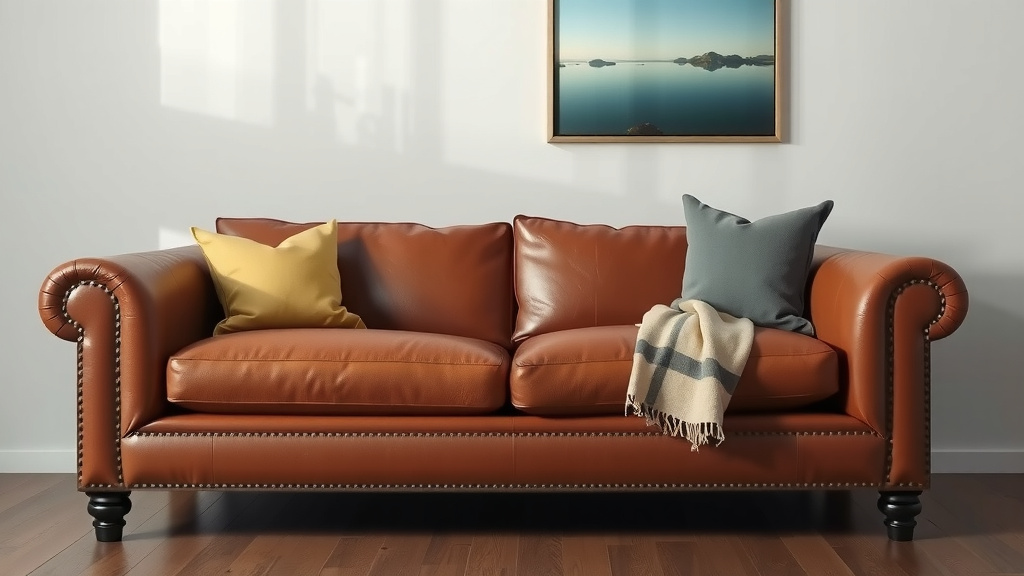
How Much Does a Leather Sofa Weigh? The Definitive Guide
So, you’re wondering just how much a leather sofa weighs? A typical three-seater leather sofa can weigh anywhere from 100 to 200 pounds. The exact weight depends on its size, frame material, and the type of leather used. It’s definitely heavier than you might think!
When you’re planning a move or just rearranging your living room, knowing the weight is key. A heavier sofa means you’ll need more people to help lift it. You’ll also want to protect your floors. Understanding these factors can save you a lot of aches and pains later on.
- Leather sofa weights vary by size and materials.
- Expect 100-200 lbs for a standard three-seater.
- Heavier sofas need more help to move.
- Consider floor protection when moving your sofa.
- Frame construction plays a big role in total weight.
Let’s break down the factors that contribute to your leather sofa’s heft, so you can be prepared.
Understanding Your Leather Sofa’s Weight Factors
So, you’re curious about the heft of your leather sofa? The weight of a leather sofa can really surprise you. It’s not just about the leather itself. Many different elements combine to give your sofa its substantial presence. We’ll break down what makes it so heavy.
The Role of Frame Material
The foundation of your sofa is its frame. This is often the biggest contributor to its overall weight. Hardwood frames are incredibly sturdy. They offer excellent support for years. However, this strength comes with a significant weight penalty. Common hardwoods like oak and maple are dense. This density translates directly into pounds. You’re essentially buying furniture built with dense, heavy wood. We found that a sofa with a solid hardwood frame can add 20-40 pounds more than one with a softer wood frame.
Hardwood vs. Engineered Wood
Hardwood frames are the gold standard for durability. They resist warping and cracking. Think of it like building a house with solid oak beams versus plywood. The oak is much heavier. Many high-quality sofas use kiln-dried hardwood. This process removes moisture but not the inherent weight. Engineered wood, like plywood or particleboard, is lighter. It’s often used in less expensive furniture. While it can be strong, it generally doesn’t match the density of solid hardwood. If you’re lifting, you’ll notice the difference.
Leather Type and Thickness
You might think all leather is the same. That’s not quite true when it comes to weight. The type and thickness of the leather play a part. Full-grain leather is the highest quality. It’s also the thickest and heaviest. Top-grain leather is the next best. It’s still substantial. Suede or nubuck might feel plush, but their processing can affect weight too. We found that thicker hides used in premium leather furniture add noticeable heft.
Understanding Leather Grades
Different types of leather have different weights. Full-grain leather is the most natural. It has all the original grain. This makes it very durable and quite heavy. Top-grain leather has the outer layer buffed or sanded. It’s still strong but might be slightly lighter than full-grain. Split leather is a lower layer. It’s often used for bonded leather or faux leather. These materials are typically much lighter than genuine leather. The natural oils and density in real, thick leather are key weight factors.
Size and Design of the Sofa
It seems obvious, but the overall size of your sofa matters. A massive sectional will obviously weigh more than a compact loveseat. We’re not just talking about length and width. Depth also adds weight. A deeper sofa means more frame, more padding, and more leather. The design elements also contribute. Think about chunky rolled arms versus sleek, modern lines. Or a sofa with built-in recliners versus a static one. These design choices add pounds.
Sectionals and Recliners Add Up
Sectional sofas are essentially multiple pieces joined together. Each piece has its own frame, padding, and leather. This means a sectional, even if it looks like one unit, is quite heavy. If you have a five-piece sectional, you’re moving five substantial components. Reclining mechanisms are also heavy. They are made of metal parts. These mechanisms add 20-50 pounds per seat that reclines. So, a reclining leather sectional can easily push the scales beyond 200-300 pounds. Reclining mechanisms add significant weight to a sofa.
Padding and Upholstery Fill
What’s inside your sofa also adds weight. The padding and fill materials contribute to the total. High-density foam is common. It offers great comfort and support. However, denser foam means more weight. Some sofas use down or feather blends for extra softness. While luxurious, these can add to the overall heft, especially if used generously. We found that manufacturers often balance comfort with weight in their material choices.
Average Weights for Different Sofa Types
To give you a better idea, let’s look at some typical weight ranges. These are just averages, of course. Your specific sofa might be lighter or heavier. The following table gives you a good ballpark figure:
| Sofa Type | Approximate Weight Range (lbs) |
|---|---|
| Standard 3-Seater Sofa | 100 – 200 lbs |
| Loveseat (2-Seater) | 75 – 150 lbs |
| Sectional Sofa (3-4 pieces) | 200 – 400+ lbs |
| Sleeper Sofa (sofa bed) | 150 – 300 lbs |
| Reclining Sofa (3-seater) | 200 – 350+ lbs |
Remember, these are just estimates. A very large, heavily built 3-seater could easily exceed 200 pounds. Conversely, a smaller, lighter frame sofa might be on the lower end.
Why Knowing the Weight Matters
Understanding your sofa’s weight isn’t just about trivia. It’s practical information. When you need to move it, knowing the weight helps you prepare. You’ll know if you need to call for backup. It also helps you protect your home. Trying to slide a heavy sofa can damage floors. Lifting it incorrectly can cause personal injury. So, arming yourself with this knowledge is a smart move.
Getting Ready to Move Your Sofa
Planning is key when dealing with heavy furniture. Here’s a quick checklist to help you:
- Assess the weight: Estimate its heft based on size and materials.
- Gather helpers: Recruit friends or family. More hands make lighter work.
- Clear the path: Remove obstacles from the moving route.
- Protect your floors: Use furniture sliders, blankets, or cardboard.
- Use proper lifting techniques: Bend your knees, not your back.
- Communicate with your team: Ensure everyone lifts at the same time.
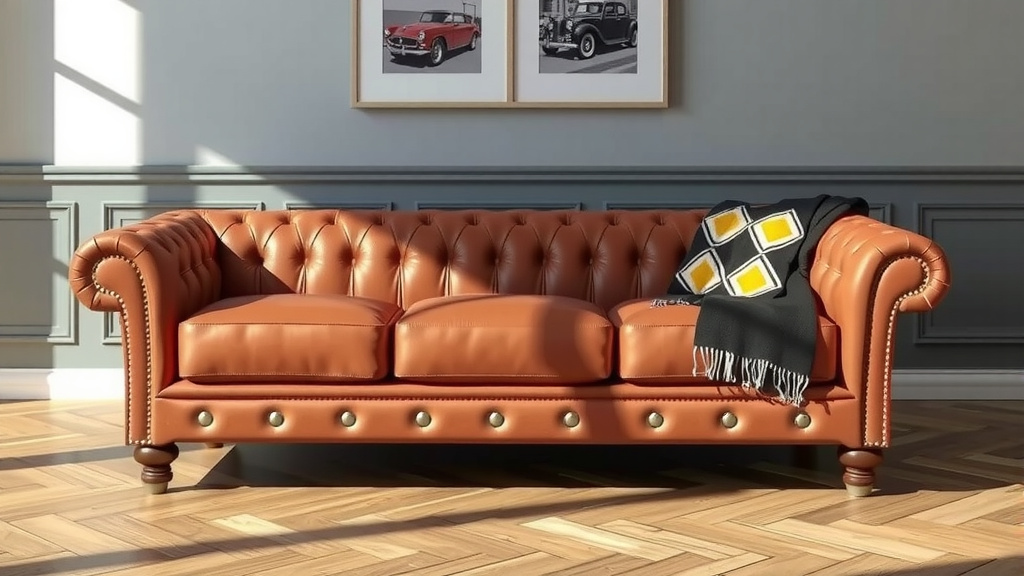
Conclusion
You’ve learned that a leather sofa’s weight is more than just a number. Factors like frame material, leather thickness, and size all play a big role. A standard three-seater can range from 100 to 200 pounds, with sectionals and recliners adding much more. Understanding these elements prepares you for moving day. It helps you avoid strain and protect your home’s floors. Now you’re ready to tackle that move or rearrangement with confidence. Next time you shop, consider the weight in your decision-making.
Frequently Asked Questions
How can I safely move a heavy leather sofa by myself?
Moving a heavy leather sofa alone is not recommended due to the risk of injury and damage. It’s best to gather at least two strong helpers. Ensure you clear the path and use furniture sliders or moving blankets to protect your floors and make it easier to slide.
Does the type of leather affect how much a sofa weighs?
Yes, the type and thickness of leather do impact weight. Full-grain leather, being the thickest and most natural, will add more heft than thinner or split leathers. Premium, thicker hides contribute noticeably to the sofa’s overall pounds.
Are reclining leather sofas much heavier than standard ones?
Absolutely. Reclining mechanisms are made of sturdy metal parts and can add 20-50 pounds per seat. A reclining leather sofa, especially a larger model, will definitely weigh more than a static one of similar size.
Will a solid wood frame make a leather sofa heavier than a particleboard one?
Yes, a solid hardwood frame is significantly heavier than one made from engineered wood like particleboard or plywood. Hardwoods are denser materials, adding substantial weight to the sofa’s structure for increased durability.
What’s the best way to estimate my leather sofa’s weight if I don’t know it?
You can estimate your sofa’s weight by considering its size, frame material (hardwood vs. engineered wood), and if it’s a recliner or sectional. Referencing the average weight ranges provided in the article is a good starting point. If unsure, always assume it’s heavier than you think.

![10 Piece Sectional Sofa [2026]](https://hometopaccesories.com/wp-content/uploads/2026/08/10-piece-sectional-sofa-2026-featured-768x432.jpg)

![10 Best Chesterfield Sofa Bed [2026]](https://hometopaccesories.com/wp-content/uploads/2026/09/10-best-chesterfield-sofa-bed-2026-featured-768x432.jpg)

![10 Best Buy Sectional Sofa [2026]](https://hometopaccesories.com/wp-content/uploads/2026/08/10-best-buy-sectional-sofa-2026-featured-768x432.jpg)