
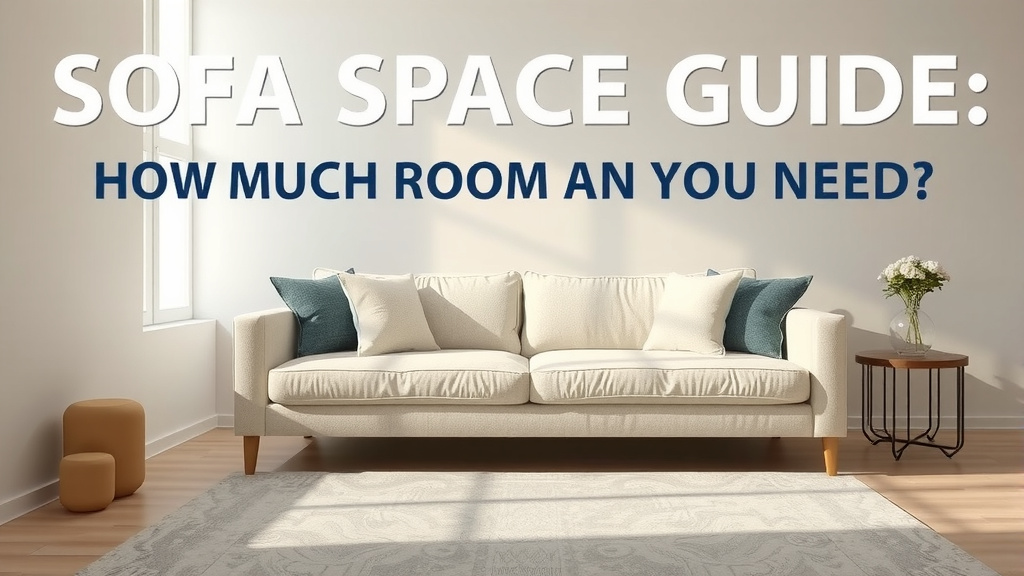
Sofa Space Guide: How Much Room Do You Need
Generally, you’ll want at least 18 to 30 inches of space around your sofa for comfortable movement and good furniture flow. This space allows people to walk past easily and provides room for accent tables or ottomans without feeling cramped. Getting this measurement right is key to creating a functional and inviting living area.
Too little space can make your room feel cluttered and difficult to navigate. Too much space, on the other hand, can make the area feel cavernous and disconnected. Experts suggest balancing open floor space with furniture placement for a cozy yet practical layout. We found that aiming for this range usually strikes that perfect balance.
- Sofa space is crucial for flow and comfort.
- Aim for 18-30 inches around your sofa.
- This allows for easy walking and table placement.
- It prevents your room from feeling cluttered.
- It also stops your space from feeling too empty.
Let’s break down exactly how much space you need and why it makes such a difference in your home.
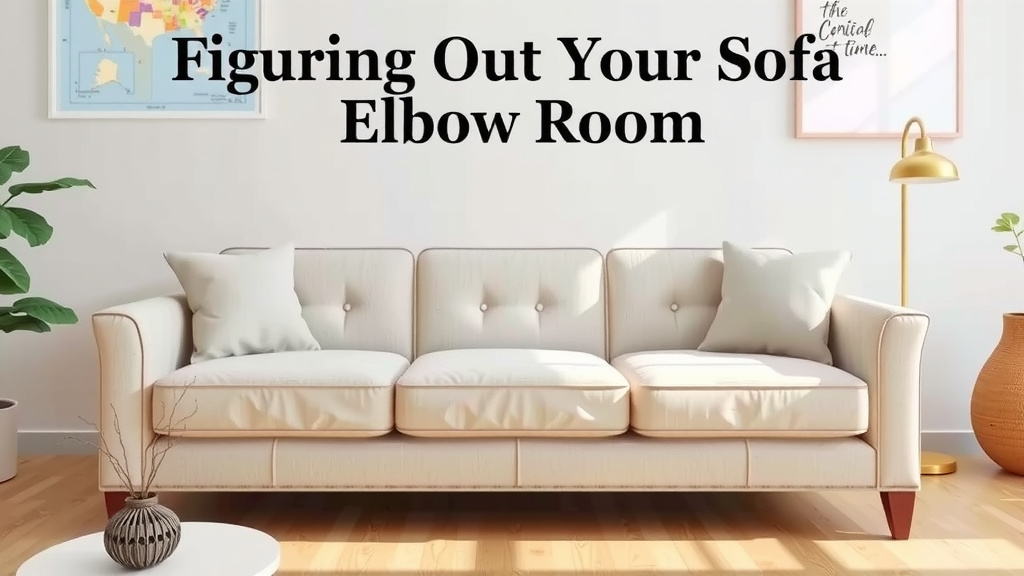
Figuring Out Your Sofa’s Elbow Room
Knowing how much space to leave around your sofa is one of those design decisions that feels tricky. But don’t worry, it’s more about creating a functional flow than following rigid rules. We found that most living rooms benefit from a clear path around the seating area. This space isn’t just for walking; it’s about letting your furniture breathe.
The Magic Number: What Experts Suggest
Many interior design experts recommend a minimum of 18 inches of clear space around your sofa. This is often considered the bare minimum for comfortable passage. If you want a more generous feel, aiming for 30 inches is a great target. This extra space really opens things up.
Why So Much Space? It’s All About Flow
Think about how you move through your living room. Do you want to be constantly bumping into furniture? Probably not! Having enough space ensures that people can walk from one side of the room to another without having to squeeze. This makes your room feel welcoming and easy to use. It’s like giving your guests a clear, unimpeded path to the sofa or the next room.
Accommodating Accessories: Tables and More
This open space isn’t just for feet and legs. It’s also where you’ll place those essential side tables or an ottoman. You need enough room for these items without them encroaching on the walking paths. A side table that’s too close to the sofa can make it hard to sit down. An ottoman that’s too big can block the walkway entirely.
Considering Your Room’s Layout and Size
The ideal amount of space around your sofa isn’t a one-size-fits-all answer. Your room’s unique shape and size play a big role. A large, open-concept living area might benefit from more space to define zones. A smaller, cozier den might need a more precise arrangement.
Small Room Strategies: Making Every Inch Count
In smaller rooms, every inch of space is precious. You might find that you can get away with slightly less space, closer to the 18-inch mark. However, be careful not to make it feel cramped. Using furniture with slimmer profiles can help. Think about pieces that are visually light, like sofas with exposed legs. This creates a sense of openness.
Large Room Dynamics: Avoiding the “Empty Hallway” Look
For bigger spaces, the challenge is often the opposite: how to fill it without making it feel like a barren room. You might need to create more defined seating areas. Furniture arrangement becomes key. Consider pulling your sofa away from the walls slightly. This creates a more intimate gathering spot. You may need more than 30 inches in these cases to make sure it doesn’t feel like an endless hallway.
Traffic Patterns: The Unsung Hero of Layouts
When we look at home layouts, we often forget about the paths people actually take. Where do you walk from the entryway to the kitchen? Where do people usually go to reach a window or a door? Planning your sofa placement based on these traffic patterns is essential. You want to avoid having the sofa act as a roadblock. Many designers suggest mapping out these paths first.
Creating a Comfortable Conversation Area
Your living room sofa is likely the heart of your social space. How you arrange it directly impacts how well people can interact. The space around it is as important as the sofa itself for creating this inviting zone.
Distance for Dialogue: Sofa to Sofa or Chair
If you have other seating, like armchairs or a loveseat, consider the distance between them and the sofa. Ideally, seating should be close enough for easy conversation. Experts often suggest a distance of 4 to 8 feet between main seating pieces. This range allows for comfortable talking without shouting. You want to avoid a setup that feels like a formal waiting room.
The Ottoman Question: Friend or Foe?
An ottoman can be a great addition, serving as a footrest, extra seating, or even a coffee table substitute. But its placement matters. If you’re using it in front of the sofa, you’ll still need space around it. We found that leaving at least 14 to 18 inches between the sofa and the ottoman is a good rule of thumb. This allows easy access and prevents stubbed toes.
Coffee Table Placement: A Balancing Act
Similar to ottomans, coffee tables need their own sweet spot. Too close, and they hinder movement. Too far, and they’re out of reach. For a coffee table, aim for about An ottoman or coffee table needs about 14 to 18 inches of space from the sofa.14 to 18 inches from the edge of your sofa. This distance is close enough to grab a drink or a book, but far enough to avoid feeling crowded when you get up.
| Furniture Piece | Recommended Space From Sofa | Purpose of Space |
|---|---|---|
| Walkway Around Sofa | 18 – 30 inches | Easy movement, traffic flow |
| Side Table | 10 – 15 inches (from armrest) | Convenient access, lamp/drink placement |
| Ottoman | 14 – 18 inches | Footrest, extra seating, coffee table base |
| Coffee Table | 14 – 18 inches | Easy reach, centerpiece |
A Quick Checklist for Your Sofa Space
Getting the space right around your sofa can transform your living area. Here’s a quick way to check if you’re on the right track:
- Can you walk comfortably around at least three sides of your sofa?
- Is there enough room for a side table next to the sofa arm?
- If you have an ottoman or coffee table, is it easy to reach without stretching too far?
- Does the space feel open and not cluttered?
- Does your layout support easy movement through the room?
- Are your seating pieces close enough for conversation?
Conclusion
Getting the space around your sofa right is key to a living room that feels both comfortable and functional. We found that the sweet spot, generally between 18 to 30 inches, allows for easy movement and accommodates essential side tables or ottomans. Remember, your room’s size and layout are your guides. Don’t be afraid to adjust these numbers slightly. The goal is to create a welcoming space where you and your guests can relax and connect. Now, go measure your space and make those adjustments!
Frequently Asked Questions
How much space do I need for walking behind a sofa?
For comfortable passage behind a sofa, aim for at least 30 inches of clear space. This ensures people can walk by without feeling cramped, especially if the sofa is against a wall. If it’s a main walkway, even more space might be beneficial.
Can I place an ottoman directly in front of my sofa?
Yes, but not too close! We found that leaving 14 to 18 inches between the sofa and the ottoman is ideal. This allows enough legroom and prevents stubbed toes when getting up or down. It also makes it easy to reach the ottoman.
What’s the minimum space I need between my sofa and a coffee table?
You’ll want about 14 to 18 inches between your sofa and a coffee table. This distance is close enough to easily reach your drinks or books. It’s also far enough so you don’t feel crowded when you stand up from the sofa.
How do I arrange furniture in a small living room with limited space around the sofa?
In smaller rooms, focus on 18 inches of clear space, or even slightly less if needed. Use furniture with slimmer profiles and exposed legs to create a sense of openness. Prioritize essential walkways to avoid a cluttered feel.
What if my living room is very large? How much space should I leave around the sofa?
For large rooms, you might need more than 30 inches to prevent the area from feeling like an empty hallway. Use your sofa placement to define zones. Pulling furniture away from the walls can create a more intimate seating arrangement and fill the space effectively.
![10 Best Cushions For Grey Sofa [2026]](https://hometopaccesories.com/wp-content/uploads/2026/09/10-best-cushions-for-grey-sofa-2026-featured-768x432.jpg)

![10 Best Bench Seat Sofa [2026]](https://hometopaccesories.com/wp-content/uploads/2026/08/10-best-bench-seat-sofa-2026-featured-768x432.jpg)