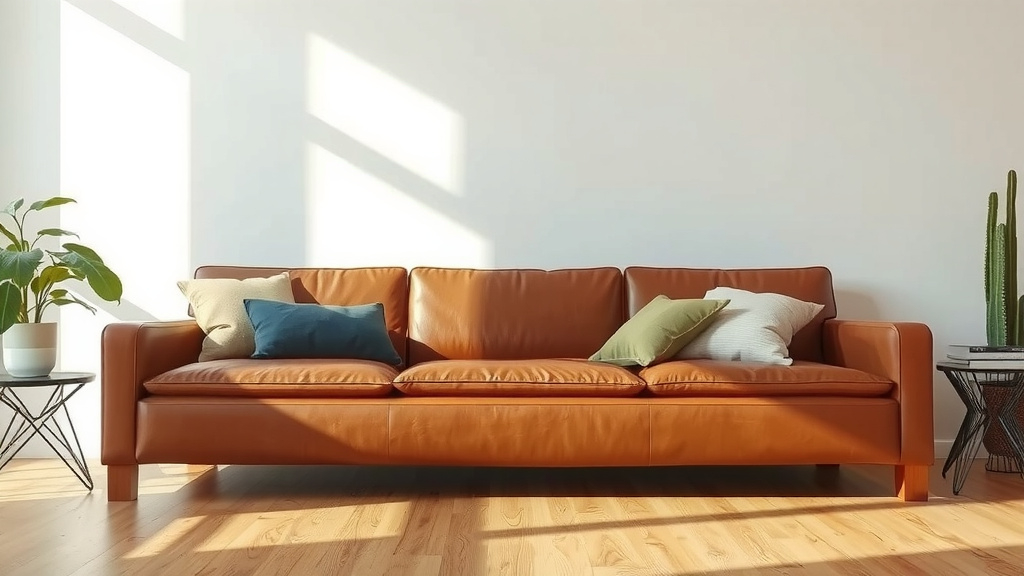
How Often to Condition Your Leather Sofa for Longevity
You should condition your leather sofa about every 6 to 12 months. This keeps the leather supple and prevents it from drying out or cracking. Think of it as moisturizing for your furniture! If you’re wondering about cleaning your leather sofa, our guide offers step-by-step instructions.
Regular conditioning helps your leather sofa look its best for years. It replenishes natural oils that can be lost over time due to exposure. This also helps it resist stains and everyday wear and tear.
- Condition your leather sofa every 6-12 months.
- This prevents drying, cracking, and wear.
- It keeps your sofa looking great.
- Regular conditioning is like skincare for furniture.
Ready to learn more about keeping your leather sofa in tip-top shape? Below, we’ll walk you through exactly what you need to know about conditioning your favorite couch.
How Often Should You Condition Your Leather Sofa?
Knowing when to condition your leather sofa is key to its longevity. Most experts suggest a routine conditioning schedule of **every 6 to 12 months**. This timeframe is a good starting point for average home conditions. However, several factors can influence this frequency.
Think of your leather sofa like your own skin. It needs regular hydration to stay healthy and prevent dryness. Without it, the leather can become stiff and eventually crack. Consistent care ensures your sofa remains comfortable and attractive.
Factors Affecting Conditioning Frequency
While 6 to 12 months is a general guideline, your sofa’s environment plays a big role. Is your home very dry? Do you live in a sunny climate? These conditions can accelerate drying.
Environmental Influences
Homes with very **low humidity** can dry out leather faster. This is especially true during winter months when heating systems are running. Similarly, areas with intense **sunlight exposure** can also dehydrate the leather. Sunlight can cause fading and weaken the material over time.
Consider the placement of your sofa. If it sits near a window that gets direct sun for many hours a day, you might need to condition it more often. You could also notice your leather feels tighter or looks duller in such environments.
Usage and Wear Patterns
How you use your sofa matters too. A sofa that’s used daily for sitting, lounging, and even napping will experience more wear. This constant use can strip away natural oils. High-traffic areas in your home also contribute to wear. If your sofa is in a busy living room, expect it to need more attention than one in a formal sitting room.
Children and pets can also impact your sofa’s condition. Spills, playtime, and even just body oils from frequent contact can affect the leather. These factors often necessitate more frequent conditioning to keep the leather supple and clean.
Type of Leather
Not all leather is created equal. Different types of leather have varying needs. Protected or pigmented leathers are more resistant to stains and spills. They often require less frequent conditioning. Aniline and semi-aniline leathers, on the other hand, are more natural and porous. These types absorb moisture more readily and may benefit from conditioning more often.
You can usually find out your sofa’s leather type from the manufacturer’s care tag or documentation. Understanding this will help you tailor your conditioning schedule. For example, a finished leather might be fine with conditioning once a year, while an unfinished leather might need it every six months.
Signs Your Sofa Needs Conditioning
Your leather sofa will often tell you when it’s thirsty. You just need to know what signs to look for. These are clear indicators that it’s time to reach for your leather conditioner.
Visual Cues
One of the first signs is a **dull appearance**. Healthy, conditioned leather has a natural sheen. If your sofa looks flat or matte, it might be losing its oils. You might also notice subtle **light-colored scuffs** or marks that weren’t there before. These can indicate dryness.
Another visual cue is a change in texture. The leather might start to look a bit rough or even slightly creased in areas of frequent use. These are early warnings before more serious damage occurs.
Tactile Indicators
When you touch your sofa, does it feel **stiff or dry**? This is a significant sign that it needs moisture. Supple leather should feel smooth and pliable. If it feels brittle or rough, it’s likely dehydrated. You might even feel a slight cracking sensation when you press into the material.
Consider running your hand over a well-used area, like the armrest or seat cushion. If it feels rough or less giving than it used to, conditioning is probably in order. A healthy leather sofa should feel soft and inviting to the touch.
When to Check More Frequently
If your sofa is exposed to direct sunlight, placed near a heat source, or in a very dry climate, perform a quick check every **3-4 months**. A simple touch test can tell you a lot. If the leather feels dry or less flexible than usual, it’s time for a conditioning session.
This proactive approach helps prevent damage before it becomes noticeable. It’s like checking in on a plant to see if it needs water, rather than waiting for it to wilt.
The Conditioning Process: A Quick Overview
Conditioning your leather sofa is straightforward. You’ll want to start with a clean surface. Always test your conditioner in an inconspicuous spot first. This ensures compatibility and prevents any unwanted discoloration.
Apply the conditioner sparingly with a soft cloth. Gently rub it into the leather using circular motions. Allow it to absorb for the time recommended on the product’s label, usually about 15-30 minutes. Then, buff off any excess with a clean, dry cloth.
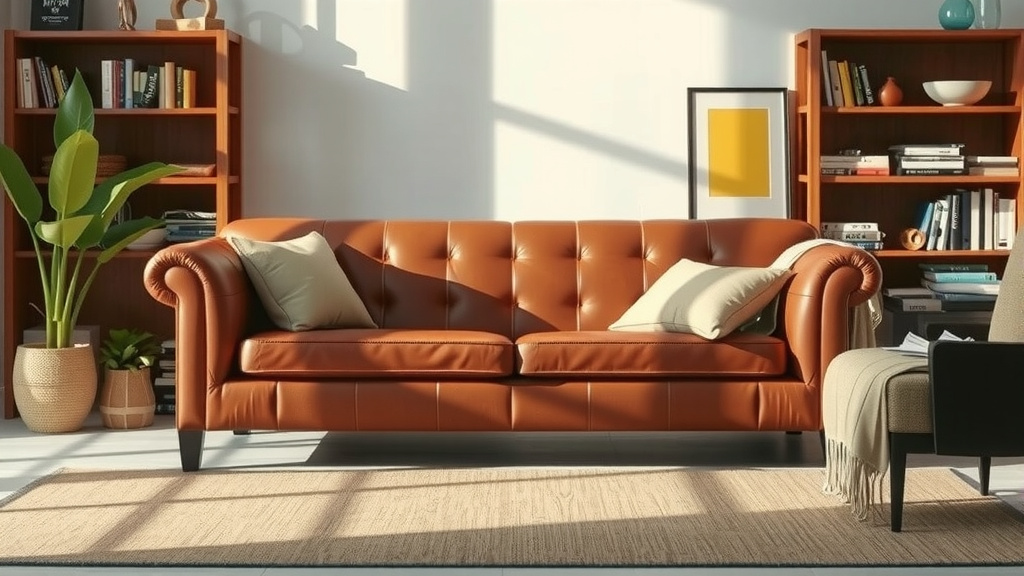
Choosing the Right Leather Conditioner
Not all conditioners are created equal. For best results, select a conditioner specifically designed for furniture leather. Avoid products containing harsh chemicals or silicones, as these can damage the material over time. Look for conditioners with natural oils and moisturizing agents.
Many manufacturers offer their own branded conditioners that are formulated for their specific leather types. Using a product recommended by your sofa’s manufacturer is often a safe bet. If unsure, consult with a leather care specialist or the retailer where you purchased your sofa.
Can You Over-Condition a Leather Sofa?
While it’s rare, it is possible to over-condition. Applying too much conditioner too often can leave the leather feeling greasy or sticky. It can also attract more dust and dirt. This is why sticking to a consistent, but not excessive, schedule is important.
If your sofa feels excessively soft, greasy, or sticky after conditioning, you’ve likely used too much product. In this case, gently buff the surface with a clean, dry cloth to remove excess. Ensure adequate ventilation to help it dry properly. It’s better to condition a little less often than too much.
Quick Checklist for Leather Sofa Conditioning
- Check the environment: Assess humidity and sun exposure.
- Inspect the leather: Look for dullness or dryness.
- Feel the texture: Note any stiffness or roughness.
- Consider usage: High-traffic sofas need more care.
- Choose the right product: Use furniture-specific conditioners.
- Test first: Always spot-test conditioners in a hidden area.
Conclusion
You’ve learned that conditioning your leather sofa is a vital part of its care. Remembering to do it every 6 to 12 months keeps your sofa looking and feeling its best. Pay attention to your home’s environment, how much you use your sofa, and the type of leather it is. These factors will help you fine-tune your conditioning schedule. Regularly checking for signs like dullness or stiffness will ensure you’re always a step ahead. Now, go ahead and give your sofa the care it deserves to keep it comfortable and stylish for years to come!
Frequently Asked Questions
How do I know if my leather sofa *really* needs conditioning?
Look for visual cues like a dull appearance or light-colored scuffs. Tactile indicators are also key – does the leather feel stiff, dry, or rough instead of smooth and pliable? These are clear signals your sofa is thirsty for moisture.
Can I use any leather conditioner on my sofa?
It’s best to use a conditioner specifically designed for furniture leather. Avoid products with harsh chemicals or silicones, which can cause damage. Always test the conditioner in an inconspicuous spot first to ensure it won’t discolor your sofa.
What if my sofa is in a very sunny room?
If your sofa gets a lot of direct sunlight, the leather can dry out faster. You’ll likely need to condition it more often, perhaps every 3 to 6 months. Keep an eye out for dryness and stiffness, and consider using UV protectant sprays if available.
Does conditioning prevent scratches on my leather sofa?
Conditioning helps keep the leather supple and more resilient, which can make it less prone to showing minor scuffs and scratches. However, it doesn’t make the leather scratch-proof. Deep scratches may still occur, especially with pets.
Is it possible to over-condition my leather sofa?
Yes, it’s possible, though rare. Over-conditioning can make the leather feel greasy, sticky, and attract more dust. Stick to the recommended 6-12 month schedule and apply conditioner sparingly. If it feels greasy, gently buff excess product off with a dry cloth.



![10 Best Convertible Sofa Bed For Small Spaces [2026]](https://hometopaccesories.com/wp-content/uploads/2026/09/10-best-convertible-sofa-bed-for-small-spaces-2026-featured-768x432.jpg)