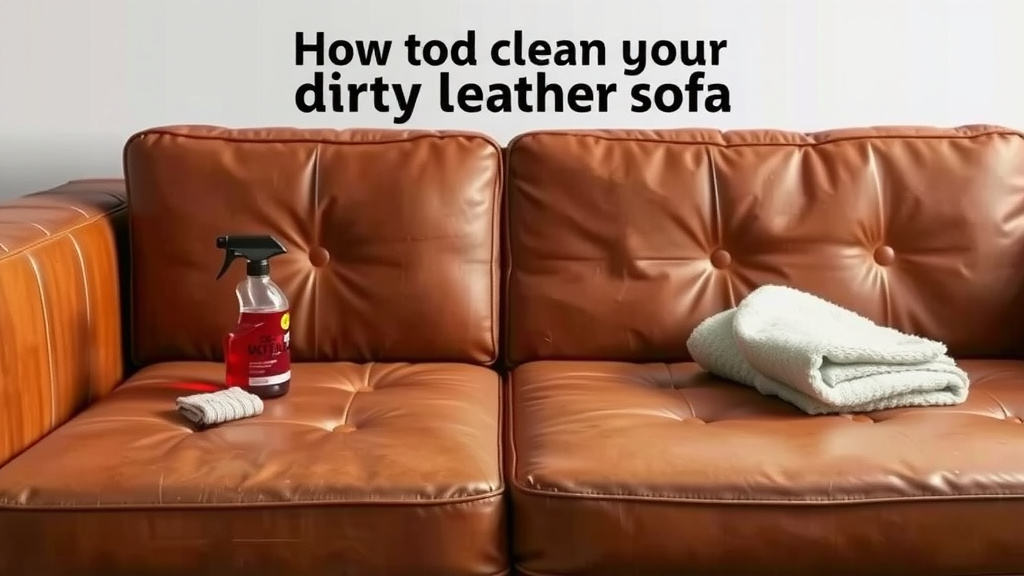
How to Deep Clean Your Dirty Leather Sofa
The easiest way to clean a dirty leather sofa is to use a mild soap and water solution. Gently wipe down the surface with a damp cloth. For tougher spots, you might need a specialized leather cleaner. Always test any cleaner in an inconspicuous area first.
Keeping your leather sofa looking its best involves more than just occasional cleaning. Regular dusting and conditioning are key to preventing cracks and dryness. We found that a consistent cleaning routine helps maintain your sofa’s natural luster and extends its lifespan considerably.
- Wipe with a damp cloth and mild soap.
- Use leather cleaner for stubborn stains.
- Always test cleaners first.
- Condition your leather regularly.
- Protect from direct sunlight.
Let’s walk through the simple steps to get your leather sofa looking like new again, without any harsh chemicals.
Keeping Your Leather Sofa Looking Fresh and Clean
Your leather sofa is more than just furniture; it’s a centerpiece in your home. Over time, life happens, and spots, spills, or general grime can appear. Don’t worry, restoring its beauty is usually simpler than you think. We found that a gentle, consistent approach is key to cleaning dirty leather sofas.
The main goal is to remove dirt without damaging the leather’s natural finish. Harsh chemicals can strip away its protective oils, leading to drying and cracking. But with the right methods, you can keep your sofa looking and feeling luxurious for years to come. Let’s dive into how you can achieve that.
Your Leather Sofa Cleaning Toolkit
Before you begin, gather a few essential items. Having everything ready means you can tackle cleaning efficiently. This also prevents you from reaching for unsuitable cleaning agents in a pinch.
What You’ll Need
- Soft microfiber cloths: You’ll need several for dusting, cleaning, and buffing.
- Distilled water: Tap water can sometimes contain minerals that leave spots.
- Mild soap: Like a gentle dish soap or a specialized leather soap.
- Leather cleaner: A product specifically designed for your type of leather.
- Leather conditioner: For restoring moisture after cleaning.
- Small bowls: For mixing solutions.
- Optional: A soft-bristled brush for textured leather.
The Gentle Cleaning Process: Step-by-Step
We found that starting with the least invasive method is always best. This minimizes the risk of any unintended damage to your sofa’s material. Think of it like a gentle spa day for your couch!
Step 1: Dusting and Dry Wiping
Begin by removing any loose dust or debris. Use a clean, dry microfiber cloth to gently wipe down the entire surface of the sofa. Pay attention to crevices and seams where dust likes to hide. This simple step removes particles that could scratch the leather during wet cleaning.
Step 2: Preparing Your Mild Soap Solution
For everyday dirt and light grime, a simple soap and water solution is often sufficient. Mix a few drops of mild liquid soap (like a gentle dish soap) into a bowl of distilled water. You want a very light, slightly sudsy mixture. Avoid using too much soap, as it can leave a residue.
Step 3: Testing Your Cleaning Solution
This is a non-negotiable step! Always test your cleaning solution on an inconspicuous area first. This might be the back of the sofa, underneath a cushion, or on a leg. Let it dry completely to see if there are any adverse reactions. We found this prevents potentially unsightly mistakes on visible areas.
Step 4: Gentle Wiping with a Damp Cloth
Once you’ve tested and are happy with the solution, dampen a clean microfiber cloth with it. Wring the cloth out thoroughly. It should be damp, not wet. Gently wipe down the surface of your leather sofa, working in sections. Don’t scrub vigorously; smooth, even strokes are best. This prevents water spots and ensures even cleaning.
Step 5: Rinsing (Damp Cloth Only)
After cleaning a section, take another clean microfiber cloth dampened with plain distilled water. Wring it out well. Wipe the same area to remove any soap residue. This is important because soap left behind can attract more dirt. Then, immediately dry the area with a clean, dry cloth.
Step 6: Drying and Buffing
Allow the sofa to air dry completely. Once dry, you can use a clean, dry microfiber cloth to gently buff the leather. This helps restore its natural sheen. You might notice your sofa already looks much improved!
Tackling Tougher Stains and Marks
Sometimes, life leaves more stubborn marks. Grease, ink, or deep-set stains require a bit more attention. Many experts recommend using a cleaner specifically formulated for leather in these situations.
Using a Specialized Leather Cleaner
If the soap and water method doesn’t remove a stain, it’s time for a dedicated leather cleaner. Always choose a cleaner suitable for your leather type (e.g., aniline, semi-aniline, pigmented). Follow the product’s instructions precisely.
Apply a small amount of cleaner to a clean cloth, not directly to the leather. Gently blot the stain. Again, test in a hidden spot first. Many guidelines suggest blotting rather than rubbing to avoid spreading the stain (Leather Naturally).
Dealing with Specific Stain Types
Here’s a quick guide for common offenders:
| Stain Type | Recommended Action |
|---|---|
| Grease/Oil | Blot immediately with a dry cloth. Sprinkle cornstarch or baking soda on the stain. Let sit for a few hours, then brush off. Repeat if needed. |
| Ink | For light marks, try a leather ink remover stick. For deeper ink, consult a professional. Rubbing alcohol can sometimes work, but test extensively first as it can remove color. |
| Food/Drink Spills | Wipe up immediately. Use the mild soap and water solution for remaining marks. Dry thoroughly. |
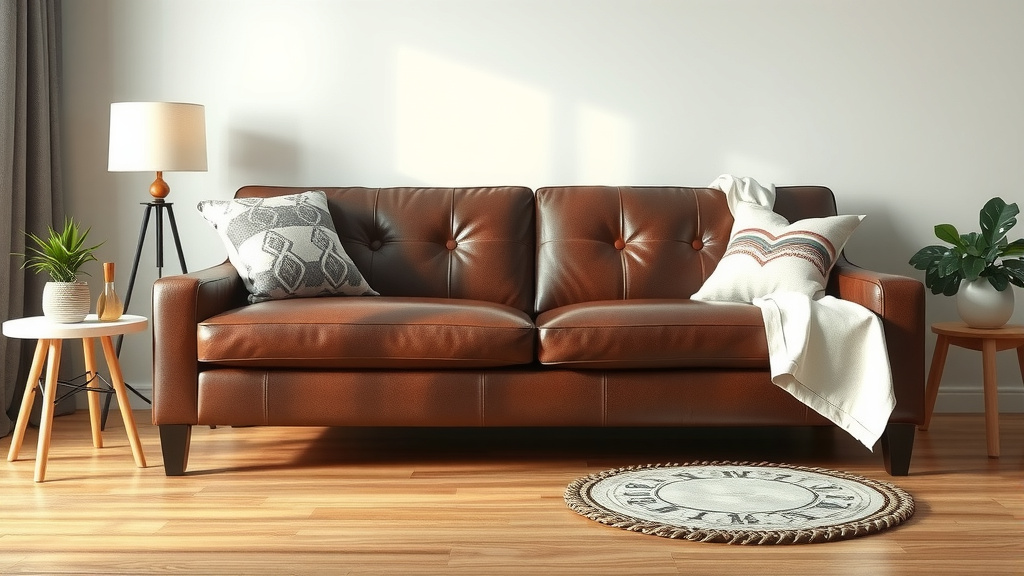
The Importance of Leather Conditioning
Cleaning can sometimes strip the leather of its natural oils. Think of it like washing your hands – they can feel dry afterward. Conditioning replenishes these oils, keeping the leather supple and preventing cracks.
When and How to Condition
We found that conditioning your leather sofa every 6-12 months is a good rule of thumb. However, if you live in a very dry climate or your sofa gets a lot of sun exposure, you might need to do it more often.
Apply a small amount of leather conditioner to a clean, soft cloth. Gently rub it into the leather in a circular motion, working in sections. Allow it to penetrate for the time recommended on the product (usually 10-20 minutes). Then, buff off any excess with another clean, dry cloth. Your sofa will feel soft and look revitalized.
Preventative Measures for Long-Term Care
The best way to deal with a dirty leather sofa is to prevent it from getting too dirty in the first place! A few simple habits can make a big difference.
Regular Dusting and Vacuuming
Make dusting part of your weekly routine. A quick wipe-down prevents dirt from building up. You can also use your vacuum cleaner’s soft brush attachment to get into seams and remove dust bunnies.
Immediate Spill Cleanup
As soon as a spill occurs, act fast. Blot it up immediately with a clean, dry cloth. The quicker you handle a spill, the less likely it is to become a permanent stain.
Protecting from Sunlight and Heat
Direct sunlight and excessive heat can dry out and fade leather over time. Try to position your sofa away from windows or use curtains to block harsh rays. Keep it a reasonable distance from heat sources like radiators or fireplaces.
Keep Pets in Mind
Pet claws can scratch and snag leather. If you have pets, consider using throws or blankets on the sofa. Regularly trim your pet’s nails to minimize potential damage.
Maintaining a clean leather sofa is about gentle care and regular attention. By following these steps, you can keep your cherished piece looking beautiful and feeling comfortable for years to come. Enjoy your refreshed sofa!
Conclusion
You’ve learned that keeping your leather sofa clean and beautiful doesn’t require harsh chemicals or complicated methods. A consistent routine of gentle dusting, prompt spill cleanup, and occasional conditioning is your best defense against dirt and damage. Remember to always test cleaning solutions in an inconspicuous spot first, and use the right tools like soft microfiber cloths. By following these simple steps, you can maintain your sofa’s natural luster and extend its lifespan significantly. Now, go ahead and give your sofa the spa day it deserves!
Frequently Asked Questions
How often should I clean my leather sofa?
For general upkeep, we recommend a quick dust or wipe-down at least once a week. A more thorough cleaning with a mild soap and water solution can be done every 2-3 months, or as needed for visible dirt or spills. Always assess your sofa’s condition; high-traffic areas might need more frequent attention.
Can I use baby wipes to clean my leather sofa?
While baby wipes might seem convenient, they are generally not recommended for cleaning leather. Many contain alcohol or other chemicals that can dry out and damage the leather’s finish over time. It’s best to stick with a mild soap and water solution or a specialized leather cleaner.
What’s the best way to remove a greasy stain from my leather sofa?
For fresh grease stains, blot the area immediately with a dry cloth to absorb excess oil. Then, sprinkle a bit of cornstarch or baking soda directly onto the stain. Let it sit for several hours to draw out the grease, then gently brush it away. Repeat if necessary.
Is it okay to use furniture polish on my leather sofa?
No, you should avoid using standard furniture polish on leather sofas. These products are typically designed for wood and can contain ingredients that build up on leather, attract dirt, or even damage the finish. Always use products specifically made for leather care.
How do I know what type of leather my sofa is?
Check the manufacturer’s tag or documentation for information about your sofa’s leather type. If you can’t find this, look for characteristics: full-grain and top-grain leathers are more common and generally easier to clean. Aniline and semi-aniline leathers are more natural and require extra gentle care. If in doubt, always test any cleaning product in a hidden area first.




![10 Best Cream Leather Sofa [2026]](https://hometopaccesories.com/wp-content/uploads/2026/09/10-best-cream-leather-sofa-2026-featured-768x432.jpg)