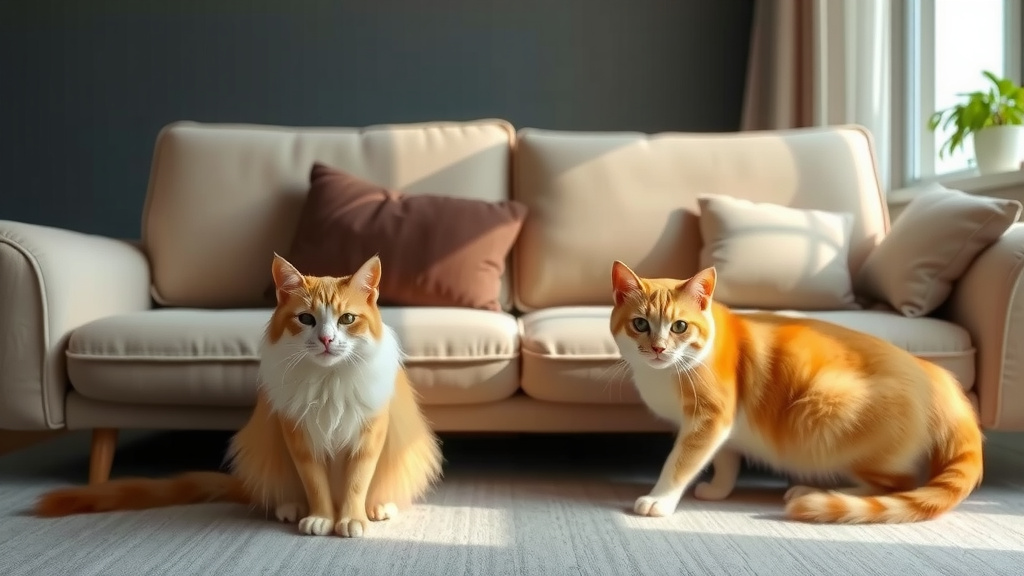
How to Stop Your Cat Peeing on the Sofa: Proven Tips
To avoid your cat peeing on the sofa, clean the spot with an enzyme cleaner, keep the litter box clean and easy to reach, and reduce whatever’s stressing your cat out. Cats pee outside the box for a reason, and the sofa is usually a symptom, not the problem. Fix the cause, and the behavior almost always stops.
Here’s the thing: your cat isn’t being spiteful. Peeing on soft, fabric surfaces often points to a dirty litter box, a medical issue like a UTI, or anxiety about changes in the home. We researched what veterinarians and cat behaviorists recommend, and the good news is that most cases can be fixed with a few simple changes.
Quick recap of what works:
- Clean pee spots with an enzyme cleaner, never regular soap.
- Scoop the litter box daily and place one box per cat, plus one extra.
- Rule out health problems with a vet visit first.
- Use a waterproof sofa cover or deterrent spray while you retrain your cat.
- Lower your cat’s stress with play, routine, and safe hiding spots.
Below, we break down everything you need to know about keeping your cat off the sofa and peeing where they should, step by step. Let’s get your couch smelling like your couch again.
Why Your Cat Picks the Sofa (and Not the Litter Box)
Cats don’t choose the sofa randomly. They pick it because it’s soft, smells like you, and holds onto scent better than hard floors. In your cat’s mind, your couch is basically a giant scent billboard.
Most vets group the reasons into three buckets: medical issues, litter box problems, and stress. Figuring out which bucket your cat falls into is step one. Everything else builds from there.
Start With a Vet Visit — Seriously, Don’t Skip This
Before you blame the litter box or your cat’s mood, get a vet check. Conditions like urinary tract infections, bladder stones, and kidney problems make peeing painful, and your cat may start avoiding the box because it hurts to go.
Mayo Clinic notes that urinary tract infections are common and often need antibiotics to clear up. Cleveland Clinic vets also point out that house soiling is one of the top reasons cats see a vet. If your cat is peeing small amounts, licking more, or crying in the box, call your vet today.
Signs It Might Be Medical
- Peeing small amounts, many times a day
- Blood in the urine (pink or red drops)
- Straining or crying while peeing
- Going outside the box more than usual, even on clothes and beds
Deep-Cleaning the Couch the Right Way
Here’s where a lot of us go wrong: we grab regular soap and think we’re done. We found that ordinary cleaners remove the stain but leave the smell. Cats can still sniff it, and to them, that spot says “bathroom.” So they come back.
An enzyme cleaner breaks down the urine itself instead of masking it. Soak the spot, let it sit as long as the label says, and be patient. Enzymes need moisture and time to work.
What Not to Use
Skip anything with ammonia. Urine already contains ammonia-like compounds, so ammonia-based cleaners actually make the spot smell more like a toilet to your cat. Steam cleaners can also backfire by setting the odor deeper into the cushions if you don’t treat it first.
Fixing the Litter Box Problem
Cats are picky about bathrooms. Would you use a porta-potty that hadn’t been emptied all week? Neither will your cat. Litter box issues are one of the most common reasons for peeing on soft surfaces, and the fixes are usually cheap.
Experts recommend the simple formula: one box per cat, plus one extra. Place them in quiet, easy-to-reach spots — not next to a loud dryer or behind a closed door.
The Litter Box Checklist
- Scoop daily — once or twice, without fail.
- Full litter change every week or two, and wash the box with mild soap.
- Keep it uncovered if your cat hesitates — covered boxes trap smell.
- Try unscented litter in a fine, soft texture.
- Move boxes to calm spots your cat can always reach.
What If Your Cat Hates the New Litter?
Cats form litter preferences early, and switching brands can confuse them. If you need to change litters, mix the new one in gradually over a week or two. Many behaviorists also suggest setting up a small “litter taste test” — two boxes, two litters — and letting your cat vote with their paws.
Calming a Stressed-Out Cat
Sometimes the sofa is a cry for help, not a bathroom problem. New pets, a new baby, moved furniture, even a neighbor’s outdoor cat at the window can spike your cat’s stress. When cats feel unsafe, they often mark familiar-smelling spots — like your couch — to feel secure again.
Think of it like a kid hugging a favorite blanket. Your smell comforts them, so they add theirs on top. It’s odd logic, but it makes sense to them.
Easy Ways to Lower the Stress
- Play daily. Ten minutes with a wand toy burns nervous energy.
- Keep routines steady. Feed and play at the same times.
- Add hiding spots. Cat trees, boxes, and window perches give them safe zones.
- Use synthetic pheromone diffusers. Many cat owners find these calming plug-ins helpful.
Protecting the Sofa While You Retrain Your Cat
Retraining takes time, so guard the couch in the meantime. A waterproof sofa cover or a fitted furniture protector stops pee from soaking into cushions. If your cat does slip up, cleanup stays easy and the scent doesn’t get locked in.
Deterring can help too. Cats dislike sticky textures, crinkly foil, and double-sided tape. A plastic carpet runner placed nubs-up on the cushions makes the spot far less cozy.
Protect-and-Deter Options Compared
| Method | Best For | Heads-Up |
|---|---|---|
| Waterproof cover | Stopping stains while training | Wash it often so odor doesn’t linger |
| Double-sided tape | Deterring repeat visits | Can leave residue on fabric |
| Foil or runner | Curious or stubborn cats | Looks less pretty for a while |
| Deterrent spray | Spot treatment on fabric | Test on a hidden area first |
| Closed-door rule | Nighttime and when you’re out | Only a short-term fix |
Making the Litter Box the Better Choice
Here’s the flip side of deterrence: make the right spot more appealing. If your cat loves the litter box, the sofa loses its charm on its own.
Place a box near the room where your cat has been peeing — never on the couch, but close by. Once your cat uses it reliably for a few weeks, slowly move the box to its permanent home, a few feet at a time. Positive reinforcement matters too. Treats and calm praise right after box use go a long way.
Your Quick-Start Action Plan
Feeling a little overwhelmed? Totally fair. Here’s the short version to pin on your fridge:
- Book a vet visit to rule out health problems first.
- Blot and treat the sofa with enzyme cleaner — no shortcuts.
- Scoop daily and add one extra box per cat.
- Cover the couch with a waterproof protector meanwhile.
- Play and de-stress your cat with daily routine and toys.
- Praise box use with treats so the good habit sticks.
When Nothing Seems to Work
If you’ve tried all of this for a few weeks and your cat still pees on the sofa, don’t throw in the towel. Ask your vet about a referral to a certified cat behaviorist. Some cases involve chronic stress or long-held litter aversions that need a custom plan. Many pet insurance plans even cover behavior consultations, so it’s worth checking your policy.
And remember: your cat isn’t broken, and neither are you. With patience, cleanup, and a little detective work, almost every sofa-peeing saga ends with a happy cat and a clean couch.
Conclusion
You’ve got this. The path back to a pee-free sofa comes down to three moves: rule out medical issues with a vet, make the litter box the best spot in the house, and protect your couch while you retrain. We found that most cat owners who follow the enzyme-cleaner-and-daily-scoop routine see real improvement within a few weeks. It takes patience, and there may be a slip-up or two along the way, but your cat isn’t being stubborn on purpose. They’re telling you something, and now you know how to listen. Your next step? Call your vet this week and grab an enzyme cleaner on your way home. Small steps today, clean couch tomorrow.
Frequently Asked Questions
Will my cat ever pee on the sofa again after training?
Most cats stop once the underlying cause is fixed, but occasional relapses can happen during stressful times. If you catch it early and reapply the same fixes, the behavior usually fades again. Think of it as a tune-up, not a total failure.
Does vinegar work as well as enzyme cleaner for cat pee?
Vinegar can reduce the smell temporarily, but we found it doesn’t break down the urine crystals the way enzymes do. Your nose may stop noticing the odor while your cat still can. Enzyme cleaner is worth the few extra dollars.
Should I punish my cat for peeing on the couch?
No, and this one matters. Punishment adds fear and stress, which often makes house soiling worse. Your cat can’t connect your scolding to something they did hours ago, so it only damages trust without solving anything.
Why does my cat pee on my clothes or my side of the bed instead?
Soft items that carry your scent are comforting to an anxious cat, and they’re often targeted for the same reason as the sofa. It can also signal a litter box aversion or a medical issue. Treat it the same way: vet first, then work through the box and stress checklist.
Can a male cat spraying be stopped without neutering?
It’s much harder. Neutering dramatically reduces marking behavior in most male cats, especially if done early. If your cat is already fixed and still sprays, stress reduction and the other steps in this guide are your best bet.